Winter sometimes seem to be an endless round of colds and flu, especially if there are young children in the household. As the saying goes, prevention is better than cure.
The best way to avoid being infected is to stay away from people who are unwell. If you or your children are unwell, stay away from others too, especially the very young or infirm, who are more prone to infection and vulnerable to complications when ill.
Simple precautions can be highly effective. One way to avoid catching or spreading infection is to wash your hands often, especially after blowing your nose or "catching" a cough or a sneeze. Covering your nose or mouth you sneeze or cough helps to prevent germs spreading through the air.
Microbes are easily passed on from your hand to the next object you touch, where they can survive for hours waiting to infect the next person they meet. Sneezing or coughing into the crook of your elbow can help keep your hands germ-free.
Care-givers-including mothers of new borns, baby carers, and anyone who looks after the elderly-need to protect themselves and those they look after. Tiny babies are especially vulnerable to infection and a worry when ill.
Washing your hands before preparing feeds is essential but for the sake of baby's health (and a good night's sleep all round), mothers and other baby carers affected by a cold or flu could take extra precautions. Using a disposable mask when feeding or changing the baby can help prevent infection. Masks are readily available at most pharmacies and are usually found in the 'baby goods' section.
SCHOOL ALERT
Think twice before sending your children to school with a streaming cold or a feverish look in their eyes. It is uncomfortable for everyone, especially your own child. Sniffling through a school day is a miserable experience, with or without a fever.
Infection spreads easily in crowded places, particularly among young children who are in close contact for long periods of time. Very young children usually need help simply to blow their nose and are unlikely to have learned the simple habits that helps prevent infection.

INFLUENZA VACCINATION
The seasonal flu vaccine reduces the possibility of flu infection. No vaccine is available against colds.
Small babies
The flu vaccine is not safe for babies less than six months old. Babies in this age group are best protected by good hygiene and by avoiding contact with infected people. Immunising care givers and other members of the baby's household can help protect the baby from influenza.
Young children
Flu vaccination is recommended for children aged between six months and five years to reduce the possibility of illness and its attendant complications. The first time a child receives the vaccine, s/he may need more than one dose. Consult your doctor for advice on the matter.
Other high risk groups
Other "high risk" groups include people aged 65 years or over, and people who suffer from chronic health problems such as asthma or other respiratory problems, heart disease or anyone with a weakened immune system, e.g. cancer patients. As with young babies, care-giver/s and members of the same household of high-risk persons should also have the flu vaccine annually, to minimise the risk of contracting the virus and then passing it on.
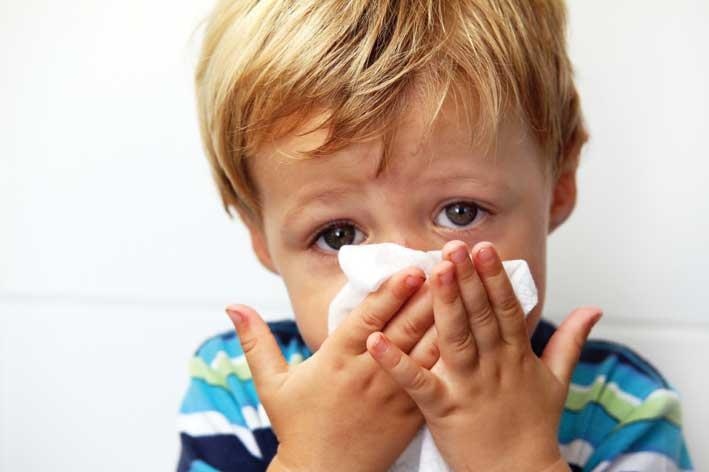
IS IT A COLD OR IS IT THE FLU?
A cold usually shows up in the form of sneezing, stuffiness or a runny nose, sometimes also accompanied by a slight fever in adults or older children, and a higher fever in babies or toddlers. Cold symptoms also include a sore (though not red) throat, a headache, a cough or watery eyes. Within a couple of days, any nasal secretion from a cold usually becomes thicker and changes in colour. Antibiotics cannot treat a cold or flu virus as they work only on bacteria.
Flu symptoms are similar, but accompanied by a general feeling of being unwell, listlessness, and physical aches and pains. The onset is sudden, and usually accompanied by fever (especially in babies and toddlers), overall aches and low energy levels. After 2-4 days, the worst symptoms normally diminish, but respiratory problems-sniffiness, a blocked nose, sneezing and coughing-persist.
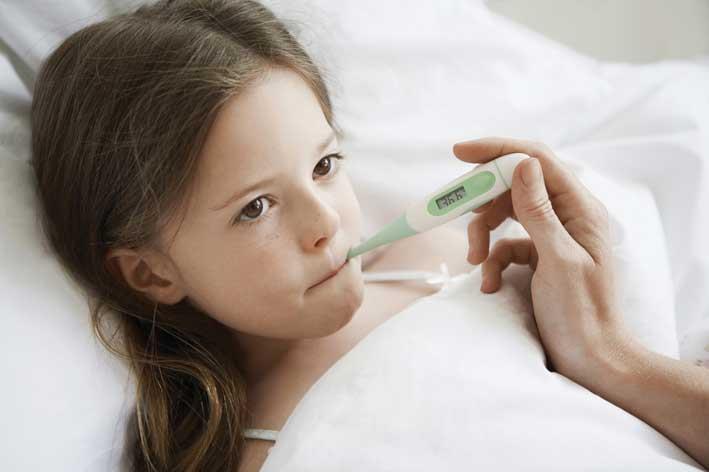
HOW TO RELIEVE THE SYMPTOMS
There are no cures for the common cold or for flu, but rest and symptom relief will help the immune system fight the infection.
Avoid dehydration. Drink plenty of clear fluids, especially if there is a fever. Water, fruit juice and chicken broth are helpful. The steam from hot soup also helps clear a stuffy nose.
Rest is essential, especially if for a child who is running a fever.
Keep away from smoky areas and keep smoke out of the house.
Don't go to enclosed, crowded places. A few days off school won't do a sick child any harm.
Suck on a lozenge to relieve a sore throat. Older children could gargle frequently using salt water.
Help clear a young baby's blocked nose by using saline drops and a nasal aspirator. Both are available from the baby section at most pharmacies.
Use an over-the-counter remedy for flu and cold symptoms if you must, but ask your doctor or pharmacist for advice first. Some preparations for symptom relief contain paracetamol and should not be taken with paractamol-based pain relievers.
Use a menthol inhaler or balm. If a child is too young to use one, or simply does not like the "cold" feeling of a menthol balm on his/her chest, dab some on the corners of the pillow. Whichever way the child faces at night, s/he will inhale the balm.
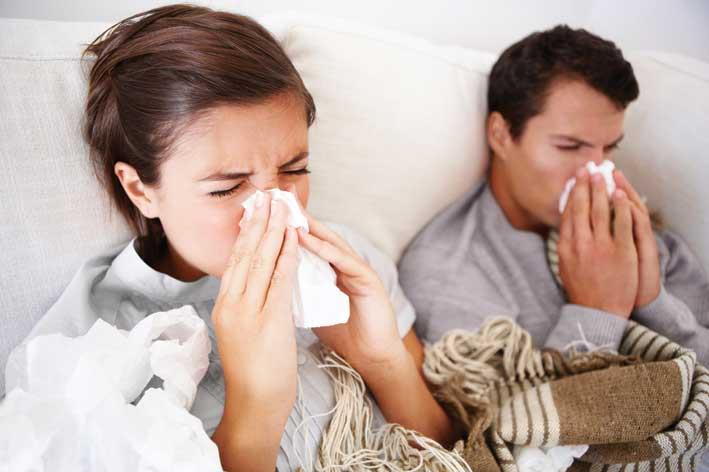
WHEN TO CALL A DOCTOR
There is no need to call or visit your doctor unless you are concerned about symptoms. Trust your instinct and don't worry about being called fussy. Some of the symptoms requiring immediate medical attention are:
- a prolonged or high fever
- a cold lasting over 10 days
- ear ache
- seizures
- unusual lethargy
- wheezing or an inability to breathe properly
- bluish skin colour
- insufficient intake of fluids
- pain or pressure in the chest.