The three bills concerning the demerger of MEPA were approved by parliament this morning, with 33 voting in favour and 27 against in all three.
The three bills will create the Environment Authority and The Planning Authority, therefore separating MEPA as known today, in two. The third bill is proposing the setting up of a tribunal to hear appeals from decisions on planning and environment decisions following the MEPA demerger.
The new Malta Environment Authority would be focused on protecting the environment and improving the sector, assuming the role of an effective regulator.
The Opposition had criticised the government for trying to pass the bills before parliament rises for summer recess, saying that stakeholders were not properly consulted.
The Building Regulations Act will be repealed altogether and the functions of both the Building Regulations Board and the Building Regulations Office are set to be migrated into the said Development Planning Act.
Essentially, this means that sanitary matters touching building development shall no longer be determined by the General Services Board, but shall instead fall directly within the jurisdiction of the new Planning Authority. The Development Planning Act contemplates a clear distinction between policy and decision roles, whereby policy functions shall be vested with the Executive Council.
Party financing bill approved in parliament, Opposition votes in favour but notes reservations
The party financing bill was approved in parliament this morning, after the opposition voted in favour, despite having its reservations. The government accepted some of the proposals put forward by the Opposition, including that political parties are subject to auditing and accounting standards that parties are not allowed to accept donations from entities controlled by the government.
Parties are also not allowed to accept donations from foundations and trusts and donations about €7,000 need to be made published online. The donation limit was decreased to €25,000 from €40,000.
The Opposition said that other proposals were not accepted by the government, including that to have a €2 million limit on the expenditure of the political parties and that the electoral commission - controlled by the government - does not have a regulatory role.
The Opposition also proposed that property possession of political parties is addressed.
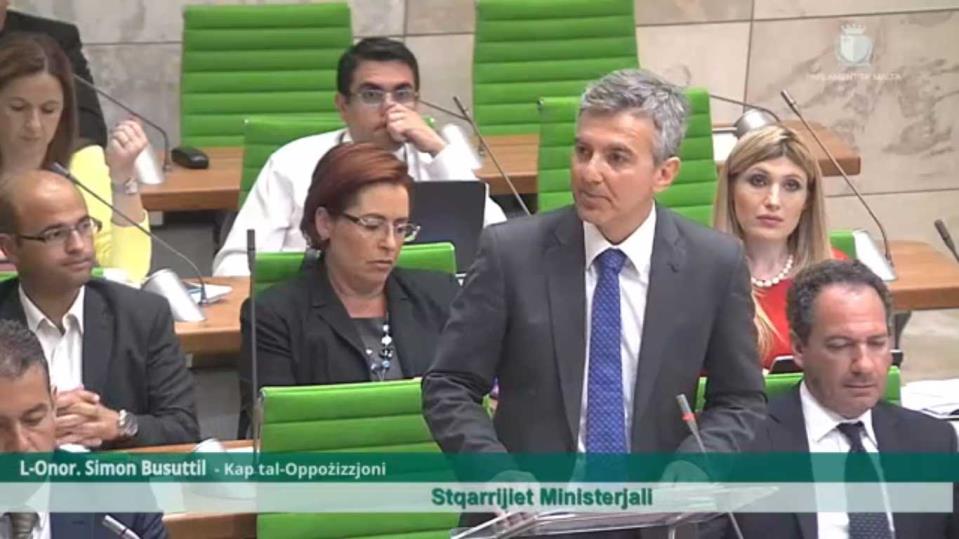
In a statement, the opposition said that it will vote in favour but will evaluate the situation closely.
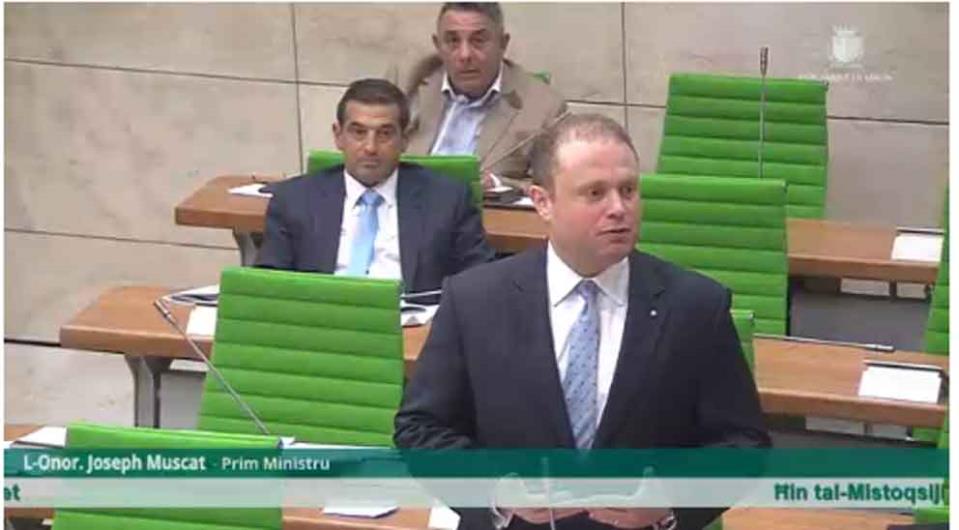
In a reply, Prime Minister Joseph Muscat said the Labour government managed to get a bill approved after 25 years. He said that politicians can no longer make excuses in cases of corruption.
He said that the whistle-blower act allows for protection of those who divulge information.
He explained that regarding the maximum limit of expenditure, Dr Muscat said that as long as the parties are publishing the source of income, there is no problem with spending a certain amount.
Dr Muscat said that if the Electoral Commission is trusted with elections, they should also be responsible of party campaigning.
The Prime Minister dismissed the notion that the Labour Party has any advantage, mentioning that it was in Opposition for 25 years. He also stated that the PN, when in government, should have taken steps against the PL if it had found something wrong with their band club usage.
The vote passed.
A vote was also taken on the bill relating to the Energy and Water Services regulator, which passed.