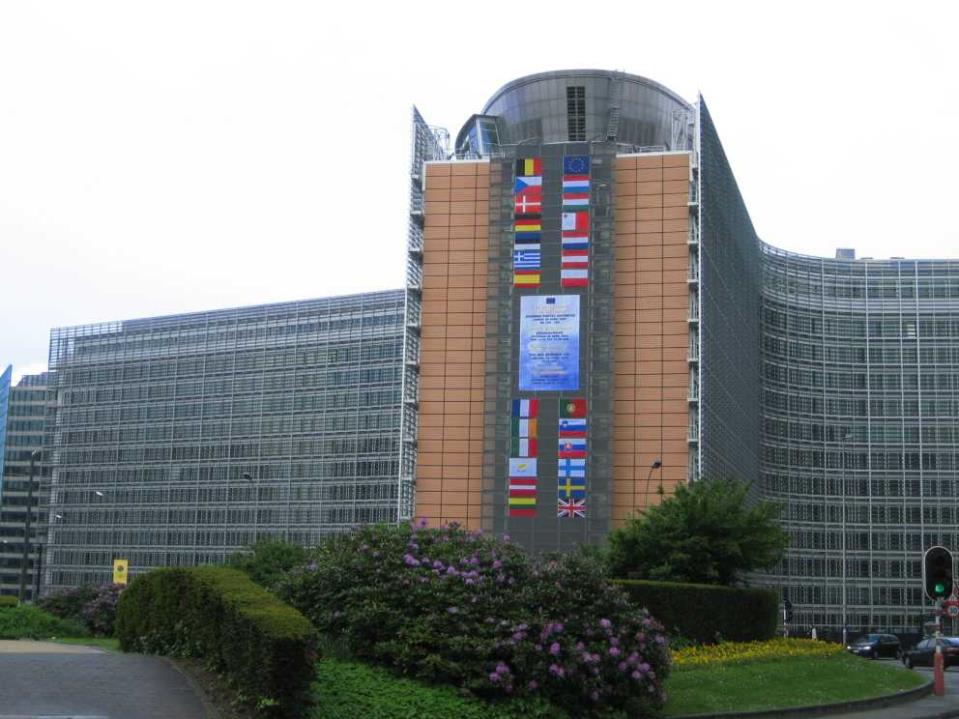
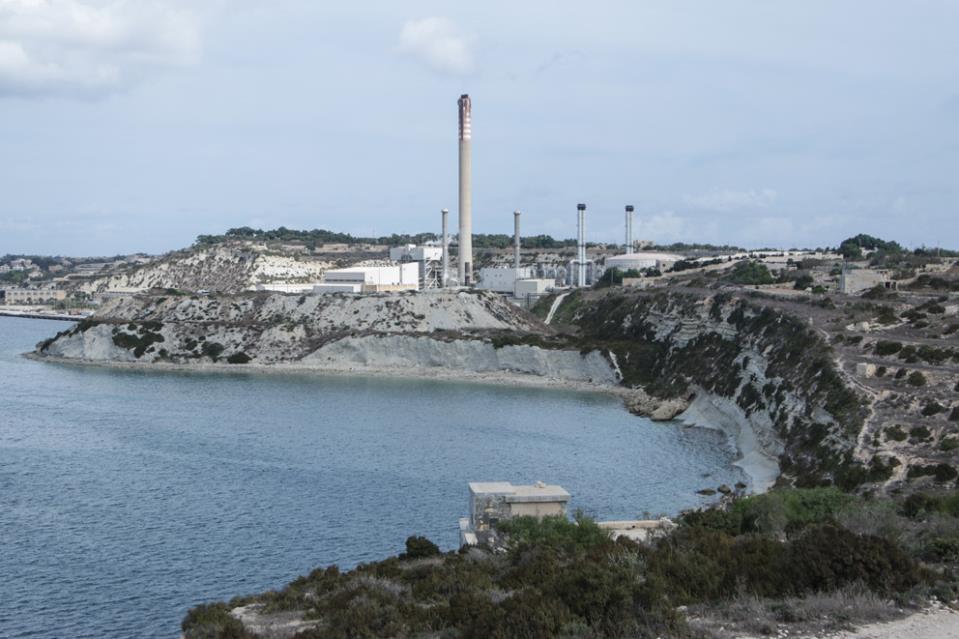
Sources in Brussels, speaking with this newspaper on condition of anonymity, have confirmed that the European Commission is “likely” to give the Maltese Government the green light on the Security of Supply Agreement relating to the construction of the new Delimara power station.
That green light may, however, come with certain caveats that may not go down well with ElectroGas, the company building the new power station and contracted to supply electricity to the country for the following 18 years.
The European Commission had officially told The Malta Independent earlier this week that: “The Commission is in contact with Maltese authorities on this project, in particular as regards its compliance with EU state aid rules. The Commission’s assessment is ongoing and it has not yet taken a formal position.”
But a high-ranking source in Brussels has since informed this newsroom that the Commission is favourably viewing the SSA in that it largely satisfies the EU’s requirements and does not constitute incompatible state aid. They were unable, however, to specify when the green light would be given.
The timing of the green light may be largely dependent on ongoing talks in Brussels between the Commission, the Maltese Government and ElectroGas itself.
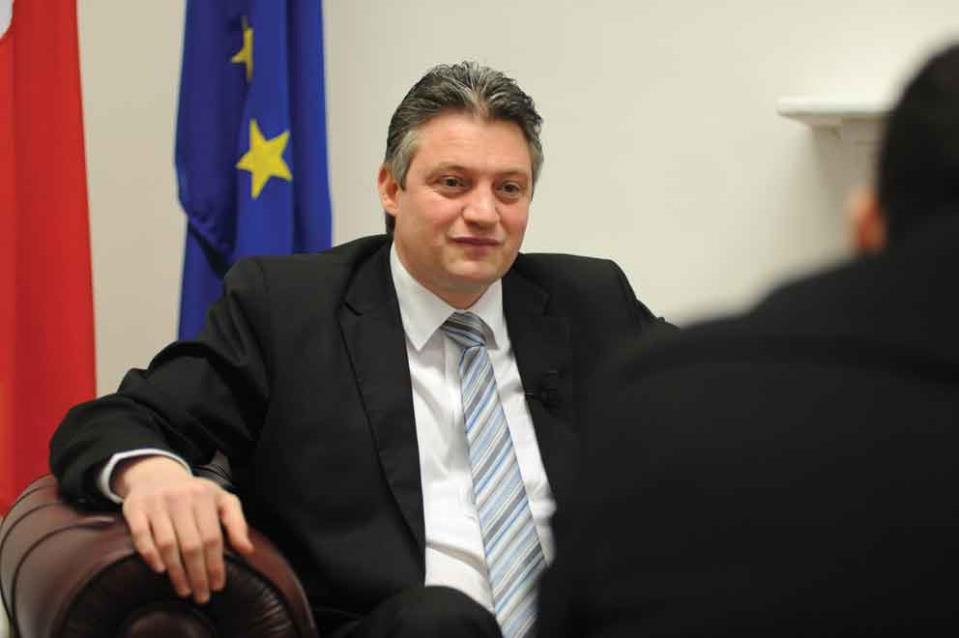
Earlier this week, Energy Minister Konrad Mizzi said that the EU may tweak the Security of Supply Agreement, without specifying what tweaks were actually under discussion.
Possible changes to the agreement imposed by Brussels, based on the recent British experience, could very well be met with opposition from ElectroGas. Such changes may include assurances that any higher profits emanating from the project, other than those currently expected, including any unforeseen lower construction or eventual production costs, will be shared with consumers and tax-payers.
Once the SSA is given the green light from Brussels, the government will be freed from the state guarantee it has given ElectroGas, which it insists is only a temporary measure to satisfy bank requirements. The contentious guarantee had first been one of €88 million, before it was controversially increased to €360 million earlier this week.
On the surface, the upping of the guarantee ante may appear audacious, but the European Commission has, in the recent past, approved far larger state guarantees for the construction of power stations – notably, and most recently, in the UK.
The British agreement had come with certain concessions that, if applied to the Maltese context, would certainly be contested by ElectroGas, since they may impinge on future profitability levels.
While the overall SSA between Malta and ElectroGas was described as merely a ‘draft agreement’ this week, it is not known what red lines ElectroGas may draw on any possible changes imposed by Brussels.
The UK’s state aid for Hinkley Point
Last October, the European Commission, following a 10-month investigation, ruled that UK state aid measures for the Hinkley Point nuclear power plant in Somerset were compatible with EU rules. The state aid in question was given in two tranches, both of which bear more than a passing resemblance to the Maltese situation.
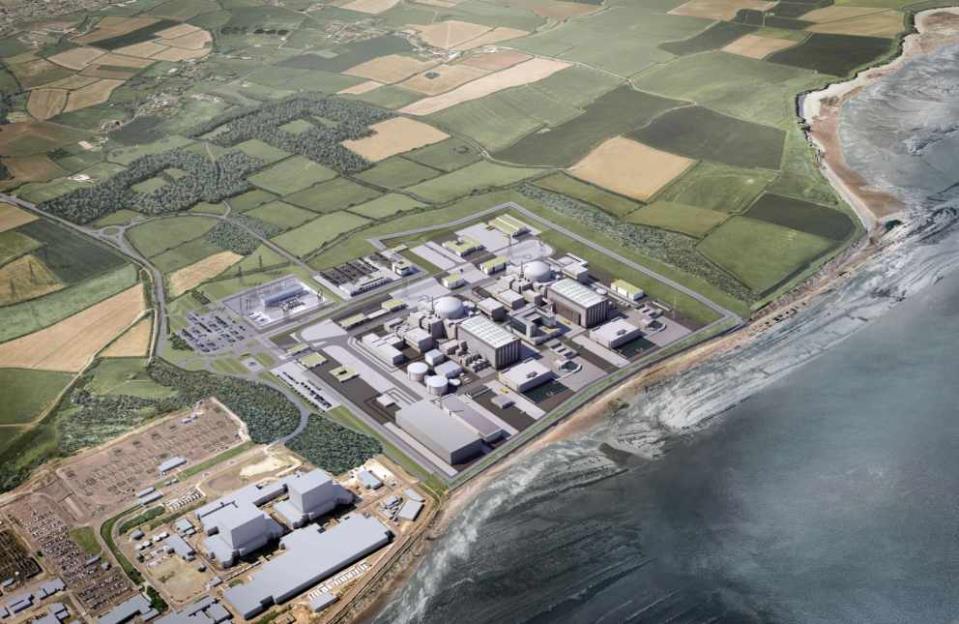
The Commission had first assessed a UK state guarantee covering any debt which the operator will seek to obtain on financial markets to fund the construction - a parallel with the Maltese government’s controversial €360 million state guarantee for ElectroGas.
During the Commission’s investigation, the UK authorities “convincingly demonstrated” that the construction of the power station could not be achieved by market forces alone.
“There is a market failure here, in particular because the project would not raise the necessary financing on the market due to its unprecedented nature and scale,” European Commissioner Joaquín Almunia said in October.
But the approval of this first tranche came with concessions.
As regards the state guarantee itself, the fee remunerating the granting of a state guarantee had been significantly increased “in order to accurately reflect the risk profile of the project,” so as to benefit British taxpayers and to reduce competition distortions created by the aid.
The Maltese government said this week that ElectroGas Malta has paid the government a “market-orientated” loan guarantee fee of €8.8 million, and it is not known if Brussels is seeking to see that amount raised.
Secondly, and more importantly, the European Commission evaluated the price support mechanism, called the ‘contract for difference’, ensuring that the operator of the Hinkley Point plant will receive stable revenue for a period of 35 years, paid for by UK consumers - again, another parallel with the Maltese government’s 18-year agreement with ElectroGas.
The support is the difference between market price and a strike price (the price of each unit of electricity supplied), set in order to guarantee a reasonable return on investment.
As regards the price support mechanism, additional safeguards were added, which ensured that any higher profits of the project than those expected will be shared with UK consumers and tax-payers.
Two so-called “gain-share” mechanisms were put in place:
· The first will be triggered if the construction costs are lower than expected, and;
· The second will be triggered if the overall profits of the operator – in other words, the return on equity – are higher than those originally estimated. If such extra profits materialise, all the gains will be shared between the plant operator and the public entity. This will happen through a decrease of the price paid by the public entity to the operator - the so-called ‘strike price’. The higher the return on equity, the more the gains will be shared.
For example, an increase in the profit rate of one percentage point would generate savings of more than €1.5 billion for UK consumers, instead of those savings going to the operator’s coffers. The Commission also ensured that that this mechanism would apply during the entire lifetime of the project, 60 years, instead of the 35 years originally foreseen.
Interconnector vs Electrogas: a possible case of market distortion?
The Opposition on Friday said that they will be the ones defending the rights of the Maltese people with the EU institutions which are investigating the government’s actions, “especially in relation to the weight the €360 million guarantee has placed on the population’s shoulders to have the power station built by a private investor.”
PN MEP Roberta Metsola explained that the European Commission must investigate the ElectroGas power station from two angles.
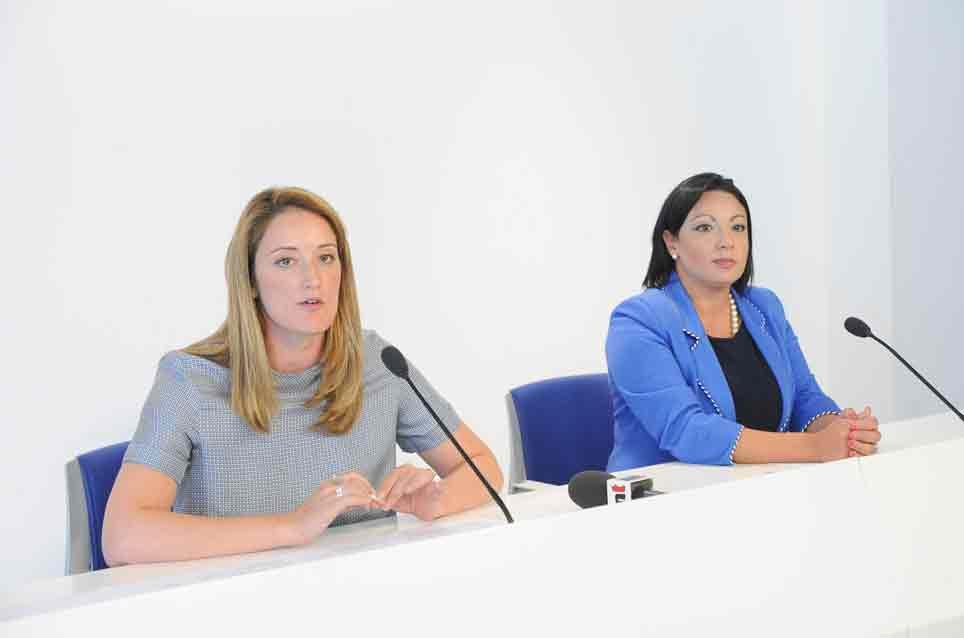
The first, she said, regards the process that resulted in the granting of the contract and how it has changed over the past two years.
The second is how the government can tie itself to purchase energy from ElectroGas even though it can be bought at a cheaper price through the interconnector. On this point, the government’s power supply contract with ElectroGas could distort the market and give it an unfair advantage if electricity is purchased at a higher rate from Delimara than that available from the interconnector or, for that matter, from the Chinese-owned BWSC Delimara plant.
Dr Metsola said that the EU must investigate whether the contract which the government intends to sign with ElectroGas breaks EU agreements regarding public procurement and state aid.
On that score, the European Commission has stated that, “Member States are free to determine their energy mix but when public money is spent to support companies, the Commission has the duty to verify that this is done in line with the EU state aid rules, which aim to preserve competition in the Single Market.”