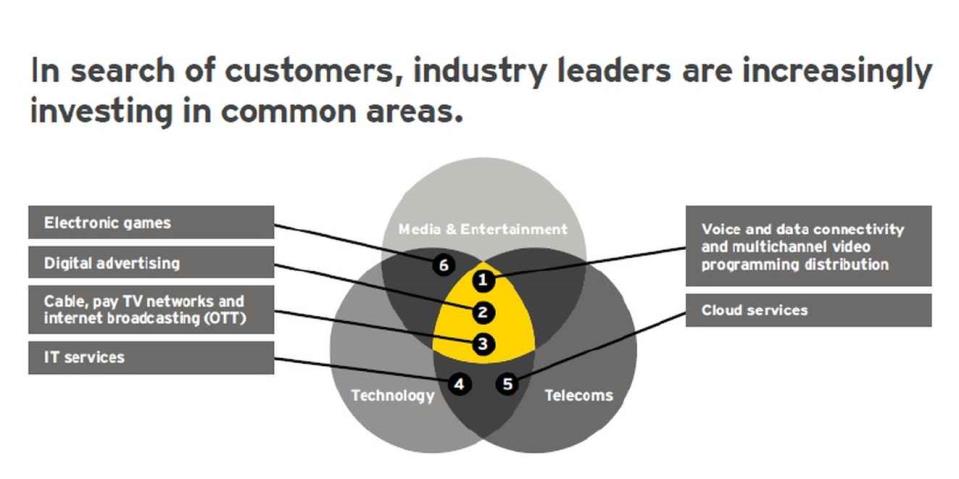
Generation Z, today’s teens and tweens, born after 1997, is different from anything we’ve seen before, according to EY’s latest piece of research, From innovation to expectation — how M&E leaders are responding to Gen Z (2016).
Much has been said about millennials (born 1981-1996), but Generation Z is the first to be digitally native. They are the first to social media, the first to grow up using mobile technology and certainly the first to grow up using mobile video. Since YouTube™ was founded in 2005, most millennials remember a world without mobile video — most of Generation Z does not.
Technology aside, Generation Z also has refreshingly different attitudes. They are more entrepreneurial, they grew up with search engines and like to discover content for themselves.
They also like to be involved in the process, contribute to the solution and be more immersed in experiences.
“Responding to changing consumption models means a rethink for Media and Entertainment leaders about new business models and new investments,” commented Ronald Attard, EY Malta Country Managing Partner.
“Today, the potential of media and entertainment companies to understand their customers is greater than at any time in history. Successfully capturing insights from an array of sources and translating them into viable products, services and business models will go a long way in defining the leaders of today and the leaders of tomorrow.”
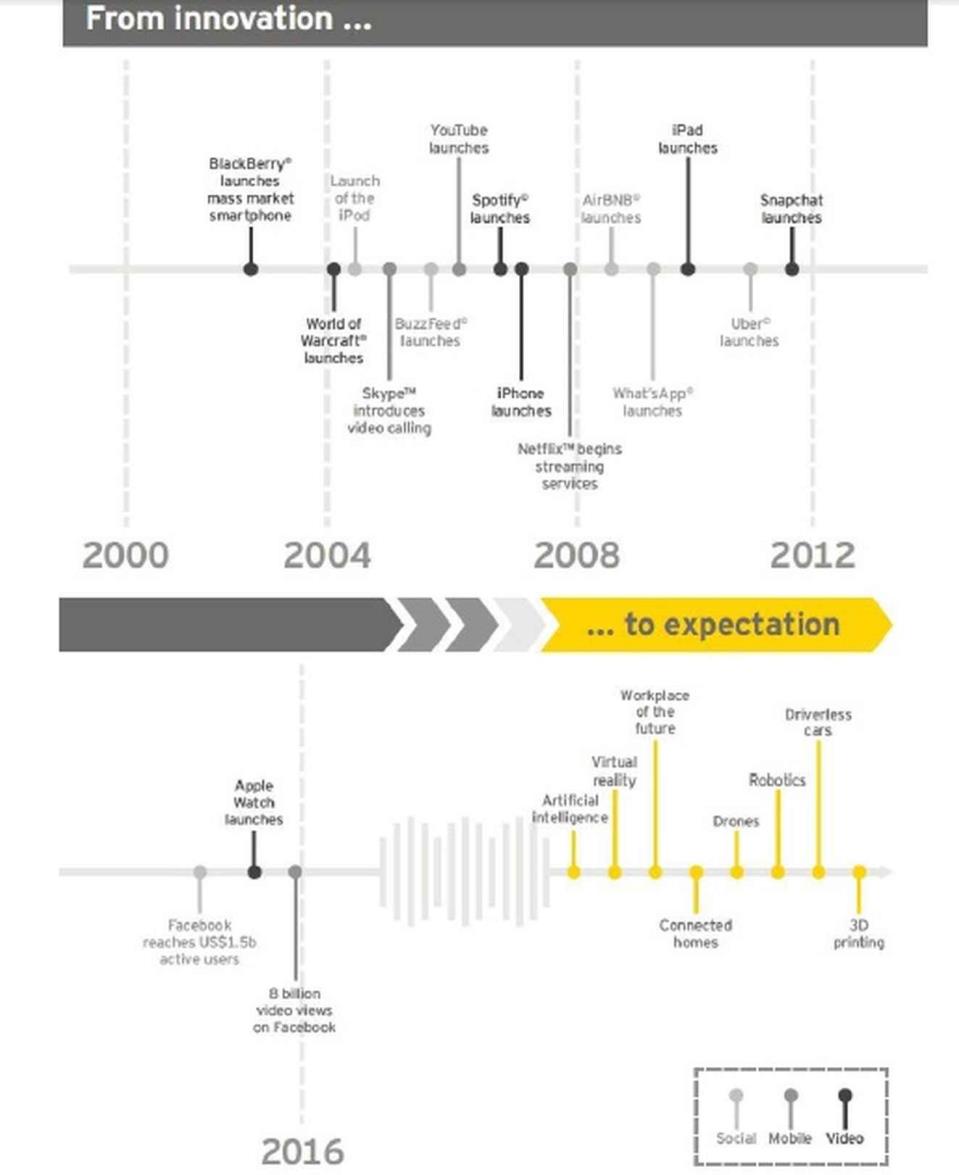
For a generation growing up with an unprecedented amount and variety of technology, new innovations are no longer seen as disruptive. They are the new normal. Innovations such as virtual reality, driverless cars and the ability to print 3D candy bars no longer surprise Generation Z. They expect the next iteration, and they want to play a role in its design. They are a generation that has moved from innovation to expectation, a generation of not if, but when.
For M&E companies, The Internet of Things (IoT) offers huge potential. In its simplest form, IoT is the proliferation of sensors to capture vast and varied data about customers; their behaviors, emotions, sentiments, their physical reactions and well-being. Yet, data is only part of the picture. The next step is to make sense of it — to uncover what customers really want. And even then, it is the action it engenders that finally turns the data into a business model. In plain terms, technology and gadgets are not enough to capitalize on the IoT, but the timely, targeted and relevant delivery of content creates experiences that bring the IoT to life.
Utilizing data to better understand customers and create experiences is how the IoT unlocks our understanding of Generation Z. It will make them part of the solution, help to anticipate their needs and build respect and loyalty, which they crave from brands. Success relies on combining each of these three efforts:
Doubling down on data
Generation Z is the most willing to surrender personal data, albeit on the assumption of a value exchange. M&E leaders will take advantage of this. They will take this data and, based on predictive insights with more targeted content and advertising, they will distill it into more tailored experiences.
Telling stories and building experiences
Storytelling is important to Generation Z. They care about seamless experiences and value engagement that builds into ongoing relationships rather than transactions. M&E companies that understand this will utilize the array of connected devices to which customers have access to in an effort to tell integrated and connected narratives.
Looking for partnerships (acquisitions)
M&E leaders are also seeking out partnerships in highly successful technology start-ups – companies which are digital first and adept at scaling new service offerings and at accessing new distribution channels, customer and audience segments. It is the fastest route to expanding capabilities, accessing new business models and achieving scale.
They are doing so to:
- Hedge against disruption to their core, existing businesses and retain customers
- Access new customers by aligning with some of the fastest-growing companies inside and adjacent to their own sectors
- Learn from businesses that frequently have more agile and innovative cultures with different talent profiles and ways of working
- Capture new talent, technology and intellectual property