The Panama Papers scandal, in which Minister-without-portfolio Konrad Mizzi and OPM Chief of Staff Keith Schembri were involved, has cast doubts on Malta’s ability to push through EU anti-money laundering laws when it holds the European Presidency, according to influential political news agency Politico.
“When a Maltese cabinet minister and the prime minister’s chief of staff were mentioned in the Panama Papers leaks, it looked like a messy domestic affair. No longer. The alleged burying of a report into the saga has set alarm bells ringing among EU lawmakers worried about Malta’s ability to steer through new EU anti-money laundering legislation when it holds the rotating presidency of the EU’s Council of Ministers in the first half of next year.

A spokesman for Joseph Muscat, Malta’s prime minister, said: ‘We are taking this issue very seriously.’ But not everyone is convinced,” the newspaper says.
It quotes German MEP Sven Giegold: “This is all very embarrassing. We will raise this whole mess in the [European Parliament’s special] Panama Papers committee. Malta has to get serious. It has to tidy up in order for the whole European financial infrastructure to gain credibility.”
Politico also reported on the resignation of Manfred Galdes – the former head of the Financial Intelligence Analysis Unit (FIAU) – and also that of police commissioner Michael Cassar.
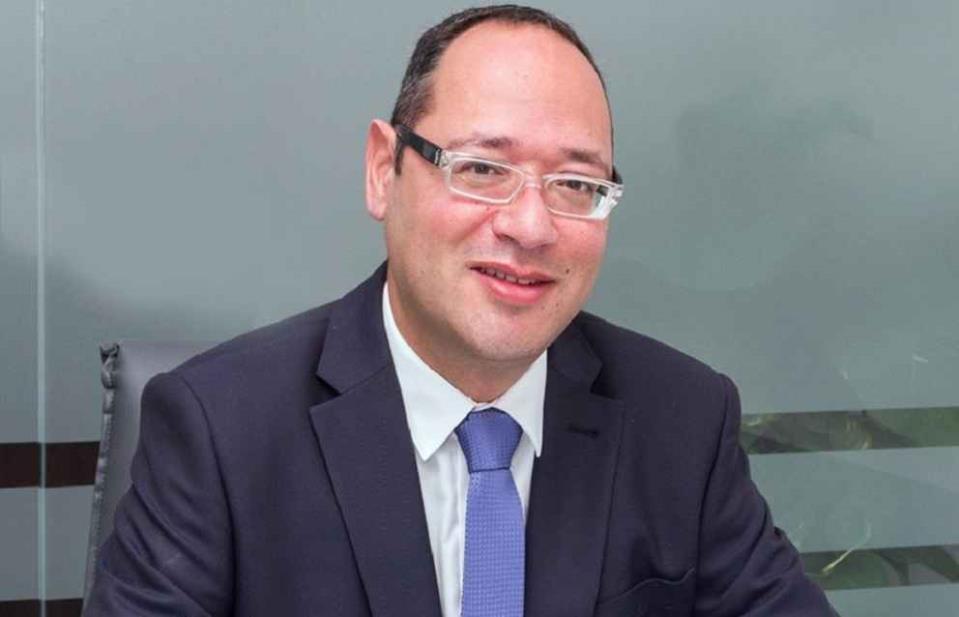
“What’s even more troubling for Brussels is more recent events. Last week, the man tasked with investigating the saga resigned. No reason was given for the decision by Manfred Galdes, director of the Financial Intelligence Analysis Unit, other than that he was going to “take up a post in private practice.
He wasn’t the first casualty of the scandal. Galdes is reported to have handed over his confidential report into the saga to Michael Cassar, Malta’s police commissioner, in April. Under Maltese law, the police commissioner has the final say over whether or not to prosecute in cases relating to money laundering. But before he could take any action, Cassar resigned citing health reasons.”
“Galdes and Cassar have refused to comment on the investigation, but that hasn’t stopped rumors circulating about their abrupt departures.”
After the summer break, talks will begin on an updated EU Anti-Money Laundering Directive, prompted at least in part by the Panama Papers scandal. Slovakia, which holds the EU presidency until the end of the year, will start off the negotiations but the Maltese will be in charge during the final stages, if all goes to plan.
A European Commission spokesperson said the idea behind the new rules was to improve transparency. “We aim for a rapid adoption of the revision in order to strengthen transparency rules further and to close any potential loopholes.”
It aims to do that by giving greater powers to national financial intelligence units such as the one formerly headed by Galdes, which look into tax avoidance and evasion, and force companies and trusts to disclose who are their ultimate “beneficial owners.”
The Maltese government would have to sign off on any new proposals made during the discussions with the European Parliament and Commission.
A spokesperson for the Maltese prime minister told Politico he wasn’t concerned about any potential conflicts of interest, saying: “We’ve always been compliant with all EU regulation on anti-money laundering.”
A spokesperson for Malta’s permanent representation to the EU added: “The Mizzi and Schembri case … has absolutely no bearing, connection or impact whatsoever on Malta’s EU presidency or its role in steering through new [anti-money laundering] proposals and legislation. Malta will continue to show commitment in combating illicit practices through the [anti-money laundering] directives and other related directives.”
But Carl Dolan of Transparency International was less enthusiastic. “The prospect of Malta steering legislation that aims to eradicate corporate secrecy in the EU once again highlights that the Council has no formal procedures for dealing with any conflicts of interest that might arise,” he said.
The newspaper also highlighted the growing concerns about Malta’s reputation as a financial services hub.
Ana Gomes, a Portuguese MEP and vice chair of the Parliament’s Panama Papers committee, said Malta was in the crosshairs.
“Malta is definitely a case for particular attention, not just because of allegations against the prime minister’s chief of staff and the minister, and this latest development with the Financial Intelligence Analysis Unit chief resigning, apparently because his recommendations were not followed, but also because Malta is already on our radar.”
“Malta is one of the jurisdictions in the EU that has a very lax system of incorporation where it is very easy for anyone who wants to fool the anti money-laundering authorities, they can set up a company like a Russian doll and can make ultimate beneficial owners hidden,” said the MEP, who is from the Socialist group, the same political family as Muscat, Mizzi and Schembri.
“I am going to propose that Malta will be high on our agenda … even more so with these developments.”