MITA
A recent study about the local use of social media shows that businesses cannot rely exclusively on social media channels when advertising or promoting their products. Results show that only 13% of the respondents would refer only to the company's social media when looking to purchase a product or service. The majority claim that they would either refer to both website and social media or to the website only.
This study was carried out by the technology company ICON, in collaboration with the Faculty of Media and Knowledge Sciences at the University of Malta. A sample of 790 Maltese consumers was studied during 2016 and compared to a similar study which had been undertaken by the same company in 2014.
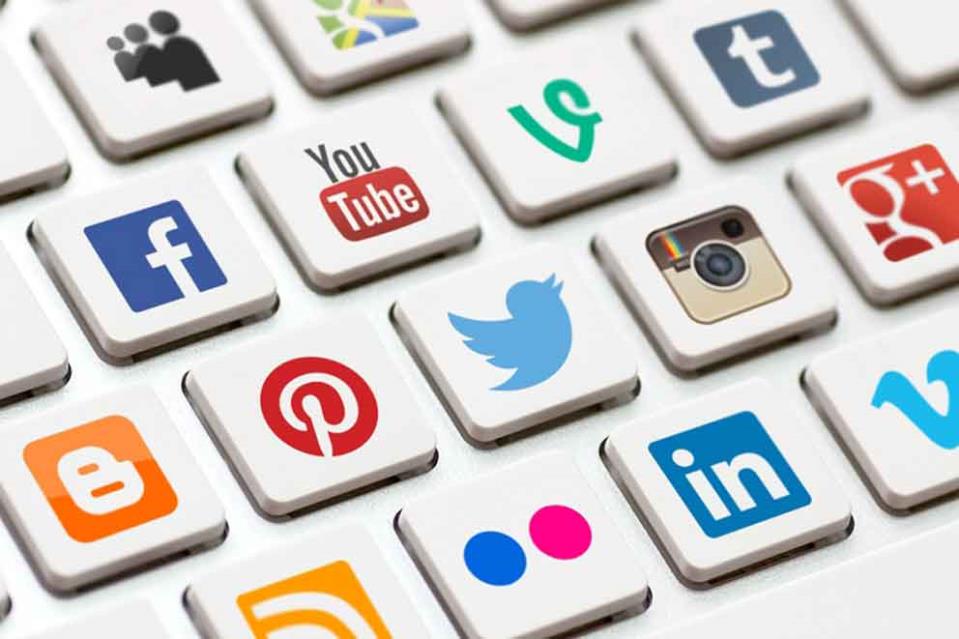 The most popular social medium was Facebook, with 89% of the respondents saying that they use it regularly. It was followed by YouTube which was being used by 63% of the respondents. These figures are consistent with global trends and with the research that had been conducted in 2014.
According to the study, a medium which is still very popular amongst people who have more than 60 years is Google+. In fact, it is their third most popular network. This is not the case for those who have less than 21 years. Their favourite networks are Instagram and Snapchat.
This study reveals that 99% of the Maltese users accessed social media on a daily basis. However, the younger generation spent more time on the social media than the older generation. When accessing their social media, consumers tend to share more positive comments rather than complaining about issues and products. In fact, women are 10% more likely to praise a particular brand than men.
The most popular advertisements on Facebook were those informing consumers about discounts or inviting them to like Facebook pages. Bookings and reservations were also a preferred activity, while as competitions via social media were the least popular activity recorded amongst the Maltese consumers.
From the information gathered in this study, it results that users were more influenced by content coming from reviews because they provided more information about the particular products and services. In fact, many users said that they were more likely to purchase products or services from brands they follow on social media.