In August, Facebook changed the privacy policy of the WhatsApp messaging service. Since then, European Union privacy regulators have expressed their concerns and now they have called Facebook to stop sharing data from WhatsApp while they investigate about the legality of these changes.
The European privacy regulators forming part of the Article 29 Working Party are concerned about the sharing of WhatsApp users' data because this was not included in the original terms of service and privacy policy when the existing users had signed up to the service.

This is not the first case where Facebook was requested to stop collecting data. In fact, last month it was the German regulators who asked Facebook to stop collecting information and to erase the data which had already been transferred.
Although European privacy regulators do not have yet the powers to fine large companies like Facebook, Google and Microsoft, this will eventually change with the implementation of the new Data Protection Regulation where penalties can be as much as 4 per cent of a company's global annual sales.
In the meantime, WhatsApp has confirmed that it collaborating with the regulators and is committed to abide by the respective laws.
Facebook and WhatsApp are note the only firms that have raised concerns to the Working Party. In fact, in separate occasions the privacy regulators have also asked Yahoo to notify its users about the effects of the cyberattacks in 2014 and also asked Yahoo about the legal basis on which US intelligence agencies are scanning Yahoo customers' incoming emails.
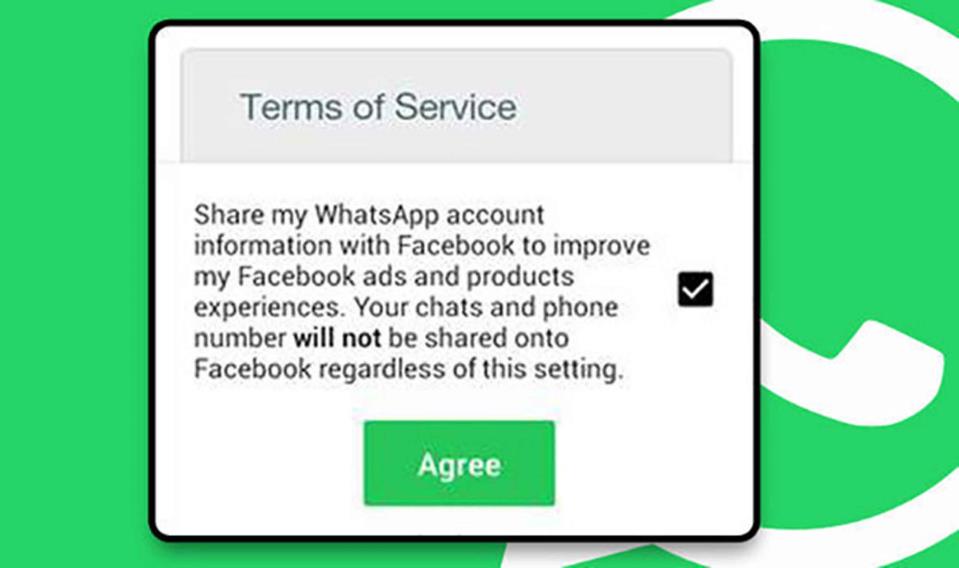
Changes in WhatsApp's privacy policy
Earlier this year, WhatsApp updated its privacy policy to share data with Facebook. Through these changes WhatsApp can now share users' data with Facebook; can link accounts when both apps are installed on a phone; can acquire information about the device and software used; allows business accounts and permits voice calls. Those who make use of the web version can also decide not to share data with Facebook. However, in order to benefit from this option, they need to agree to the privacy policy within 30 days.