Written by Claudio Laferla, MITA Knowledge Management Centre Executive
One of the things that I remember in the good old days, when computers were starting to fill the shops, was the first question we used to ask the shop-salesmen: "Does this computer have Word?" The answer was and still is "No!"
While reflecting upon this question we can see that people wanted to produce something with a computer. A computer on its own is of no use indeed! However, when loaded with the right applications, it can help you do limitless things... even if this has also a negative side to it.
One of the purposes for which a computer can be used is to collect and structure information and statistics. To collect statistics, you need to use either a spreadsheet or a database. The two are not the same. A spreadsheet is a sheet of columns and rows in which you may enter different numbers or characters. However, numbers can be 'crunched' and consequently, you may have the desired output in the forms of totals, such as profits, deficit, surplus, etc. A database, on the other side, might be slightly more complicated than a spreadsheet. It needs to be built slowly since it has an element of coding to it, and this varies according to the different code language involved.
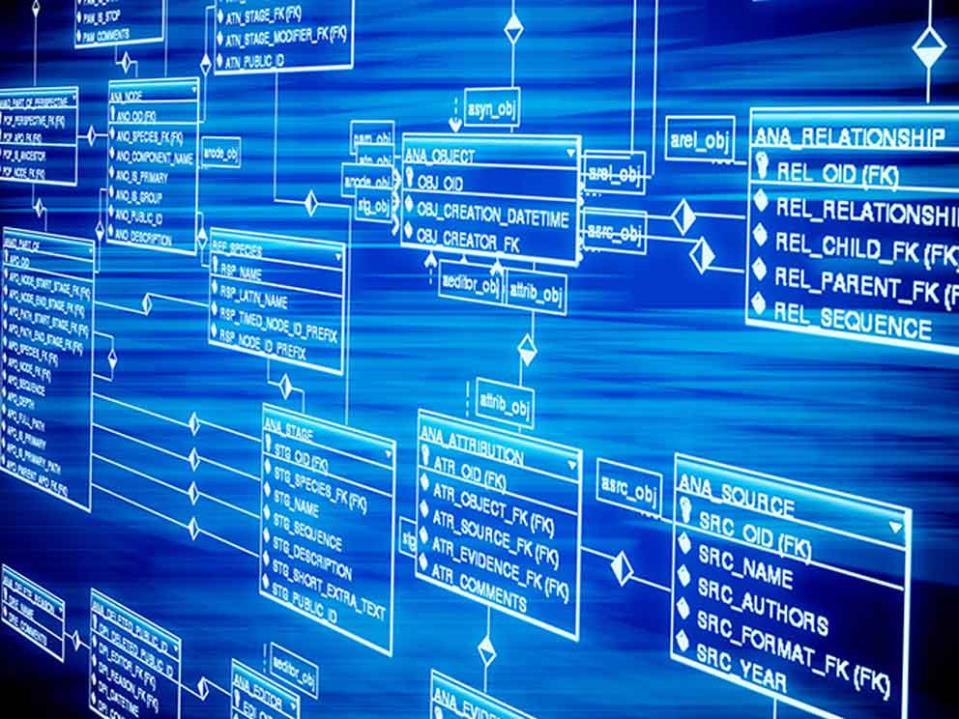
Additionally, a database offers a much powerful output since it has much more elements embedded at different granularities. Whilst in both the spreadsheet and the database, certain facilities are common, yet the power of the database is much higher and more professional. A database may be bought off the shelf, with the risk that it will not fit exactly the needs at hand. However, a specifically designed database may incur higher costs.
As regards to the statistics part, both the spreadsheet and the database can provide statistics, yet limited in their respect. If statistics are very important for the company, then, having a database rather than a spreadsheet is more advisable and professional, since databases can be designed to a level of granularity needed for the said work. A spreadsheet, on the other hand, can accommodate a simple day-to-day running of a very small entity.
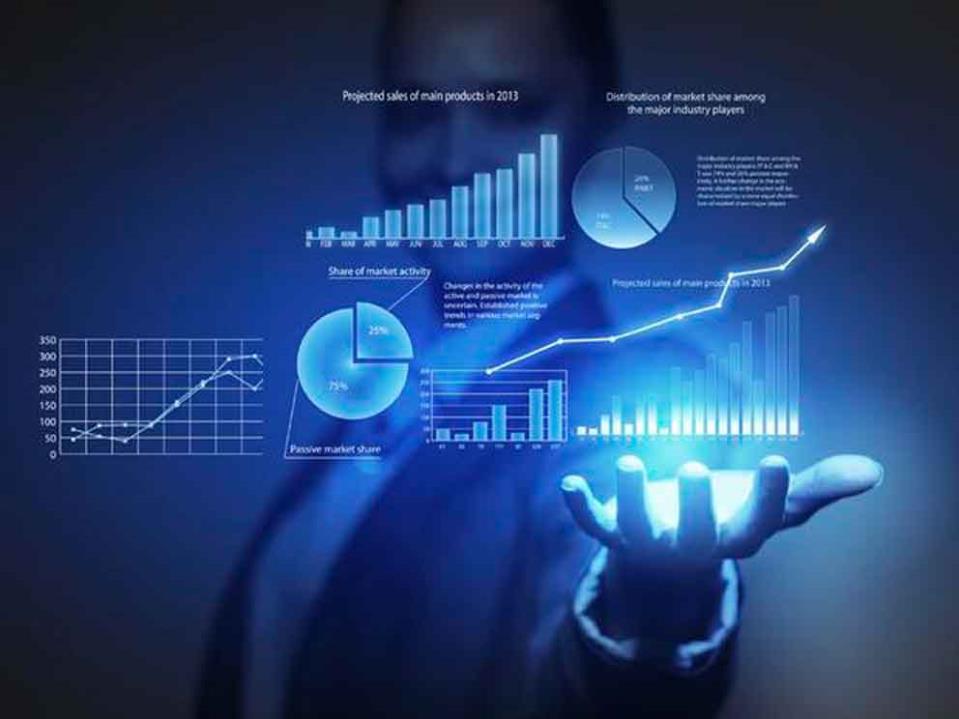
However, there is one important aspect in relation to statistics, that is reporting. A database can offer detailed reporting on the different elements of the entity, whether it renders a service or manufactures a product.
Most important is to ask the question, "What is it that I want to obtain at the end of a day's work?" From here, you can then choose whether to start working on a spreadsheet or start constructing a database... statistics will follow after.