Two years ago I had been invited to the AGM of BirdLife to partake in an environmental debate. Still extremely fresh in politics, I remember being a little shocked when I walked into the building and realised that I was going up against the Environment Minister, the Shadow Environment Minister and the Leader of Alternattiva Demokratika in the debate.
I felt that this would be a defining moment for me. I spoke from the heart, setting myself apart by pointing out something that is often ignored in Maltese politics - that unending assault on our natural environment has hidden costs. It is often the case that we talk about sustainability with the well-being of nature in mind as an end in of itself. We also talk about it with the survival of the human race in mind when it comes to climate change. However, little attention is given in the environmental debate to the concept of health and well-being, and the impact on our economy that living out of balance actually has.
As I said during that debate, how has the quality of life been impacted for those who grew up in a country they no longer recognise? How profound is the sense of loss experienced by those with a deep love of their country when they see landmarks buildings and fields they have known their whole life suddenly vanish? What is the damage done by a single blank wall in a village core, as we have just witnessed go up in Qrendi? With one single project, how has the character, identity and integrity of an entire community been tarnished forever?
Block by block, field by field, day by day, the country we know and love is being raped and mutilated - and the overwhelming majority of people hate what is happening and feel powerless to stop it. Amidst only briefly interrupted air pollution, noise, filth and the relentless oppression of careless design and indifference to one's neighbour, Malta and Gozo are being torn away from us. The rich will hardly notice it; buffered by the sense of well-being brought on by the profits made from overseeing the destruction. For everyone else, however, there is a void left in our hearts and our chests. The familiar, the beloved, the respected, the honoured: all is soiled and debased. There is a direct economic impact from such psychological violence, but it is difficult to measure. Let us become aware of it, however.
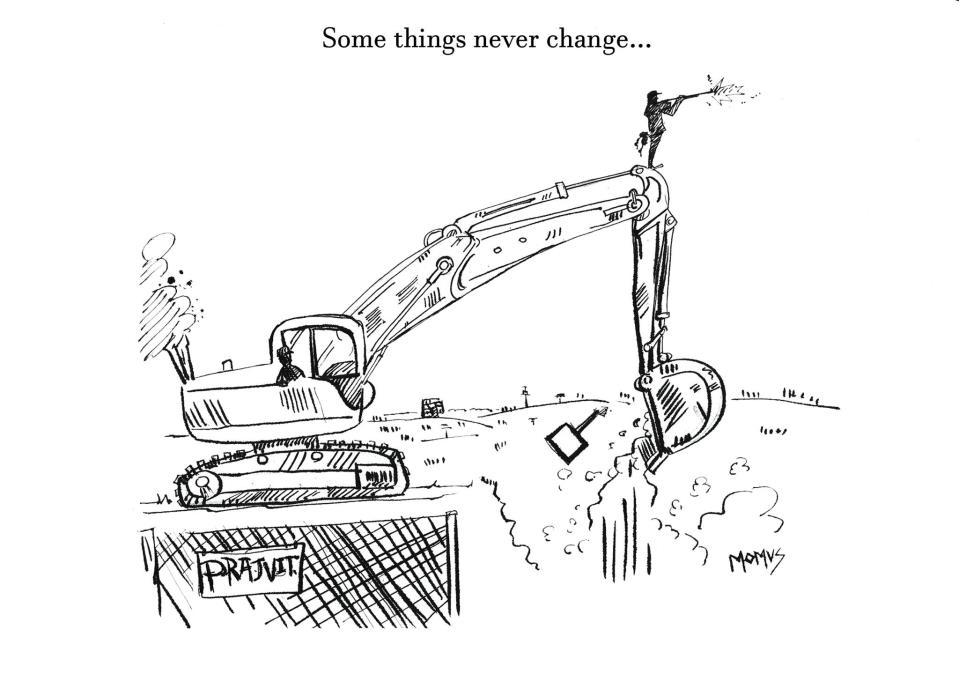
Politicians wonder why there is resistance to such an assault. They complain when people fight back, oblivious to the damage they are doing due to the fact that they are surrounded by sycophants and admirers they have utterly brainwashed through their party media. Yet hop into a taxi, and ask the taxi driver what he thinks about how his village has changed, and you will hear a very different story. Speak to a pensioner and bring up memories of the way things used to be, and question the propaganda that says that the pillaging of the nation is "progress". It is not.
BirdLife this week became the target of the government's ire, when it stuck up for the letter of the law, despite being outside of the partisan battle. Hunters should understand that there will be resistance when poaching is the order of the day. Poaching has an impact on the mental health of those outside of their circle who simply wish to enjoy the countryside and obtain well-being from a sense of balance with nature. Unless the hunting community self-polices and abides by the law, then they will remain at odds with the rest of the population.
We have to start living in harmony with our environment and our community, and seeking common ground. Stepping all over others because it benefits us will always lead to misery and resistance. Until the boot is taken off from our necks, and until the assault upon our well-being and quality of life ends, then expect that people will fight back, and not go gently into that good night.