When I first set foot in the Planning Authority, in 1995, one of our mentors told us that is important that if people ask you what you do for a living, you always answer “I’m just a government employee”. There are typically two reactions when people hear Planning Authority, they either rub their hands together in eager anticipation or frown at you in disapproval. You very quickly learn to avoid attracting unwanted attention, surrender to the fact that you will never be able to please everyone and that people tend to be very environmentally conscious and zealous in the application of policies when it comes to other people’s property, yet transform into very entrepreneurial capitalists when it comes to redeveloping their own plot.
Planners seek to strike a balance between the very different, often competing and conflicting land uses, by understanding a problem through exhaustive collecting data, analysis and ultimately producing plans and policies, which should withstand the test of time, if done correctly (survey-analysis-plan). Public and stakeholder participation is essential to amplify one’s horizons and knowledge.
Incidentally, this is where my profession and my passion coincide. Recently, I needed to take one of my dogs for an emergency surgery and as I was explaining the issue, the veterinarian asked me, in an eerie sort of tone “are you a breeder?” The tone and the expression startled me and instantly, I thought “Oh Lord, shall I say, ‘I’m just a government employee’?”
The proverbial straw that broke the camel’s back, was however when, one of the most important public officers, the Commissioner for Animal Welfare, put forward five proposals, in a knee jerk reaction. With no attempt to conceal some unjustified angst and indiscriminate prejudice against all breeders, the five proposals were a nation-wide government-funded neutering campaign, strict regulation of breeders, obligatory micro chipping of cats, the redundant adopt and not shop until sanctuaries are empty and a tax on breeders was proposed.
To the “uneducated” these myopic proposals seem as good as apple pie. Nothing new really. Coming from the Commissioner, who should be working with all stakeholders to promote educational campaigns, social dialogue and the implementation of and compliance of the Animal Welfare Act, it is a slap in the face to all those responsible breeders, who are obviously of no consequence to her.
While in some cases growing into the job may be acceptable, alas as Secena would say, “If a man knows not to which port he sails, no wind is favourable”. Semantics matter a lot when it comes to public office and it is very important that one is balanced, impartial and fair. There is no place for fundamentalist beliefs based on no context empirical data or scientific proof.
The role of Commissioner for Animal Welfare is totally different from that of animal right activist, and if that is not clear enough, we are in for a world of pain. The terms “Animal Rights” and “Animal Welfare” are distinct.
Animal Rights activists, such as Peta, envisage that humans should not use or own animals in any way, even as companions. The ultimate goal is not to improve the wellbeing of animals, but to stop breeding and human interaction with animals. Like most fundamentalists, they are imprisoned in their own prejudice and are absolutely certain they are right.
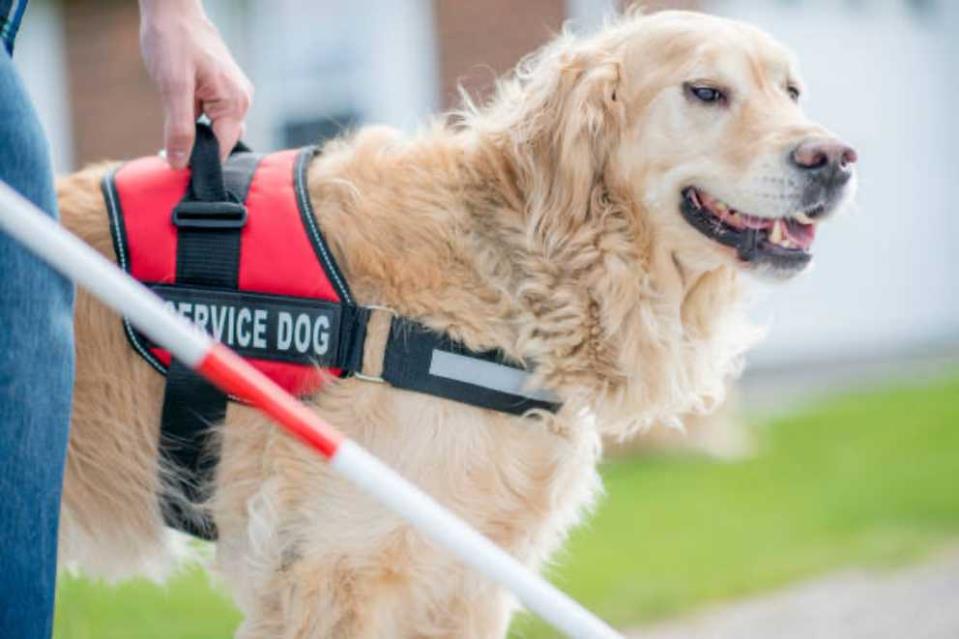
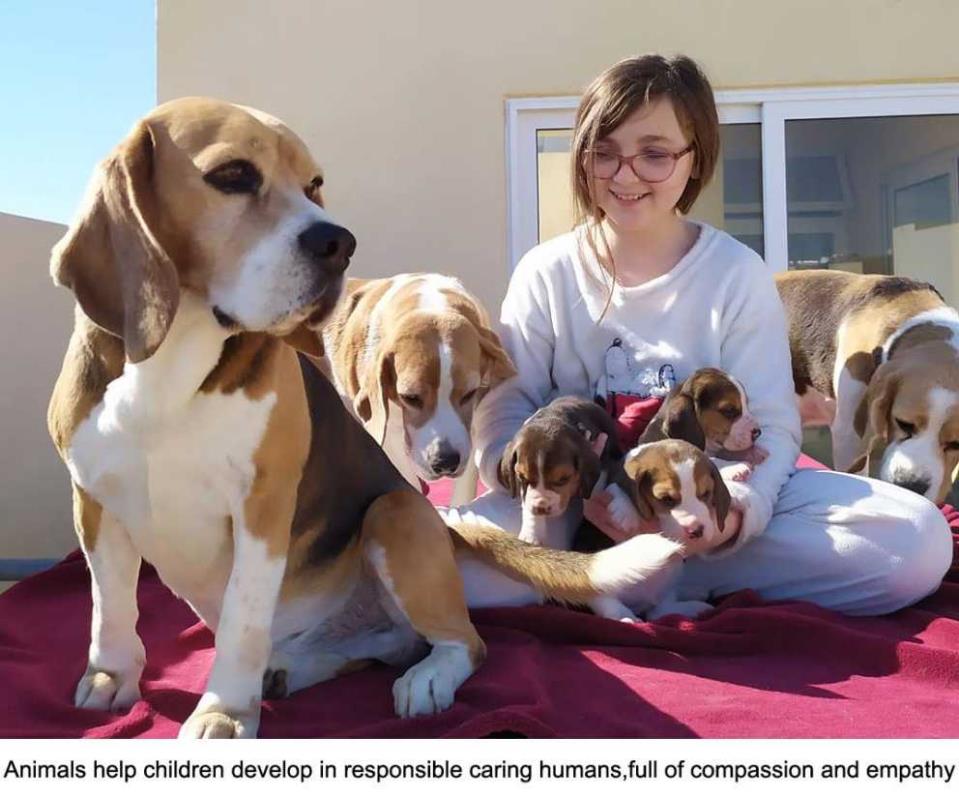
Animal Welfare recognises that the human-animal bond predates history and recognises the value of quality animal care and purposeful breeding, while actively supports advancing science to ensure the health and wellbeing of animals. This concept has been embedded in many of the canine and feline clubs’ code of ethics and statutes, long before the advent of Animal Welfare Act. The breeding of dogs and cats is a constant reminder of the special connection between humans and animal, in which we all benefit. It is because of breeding carefully studied bloodlines, temperament and other important characteristics, that we have service and therapy animals, rescue and police dogs. The benefits are wide ranging. Animals help children develop in responsible caring humans, contribute to a child's self-esteem and self-confidence, the development of trusting relationships with others, non-verbal communication, compassion and empathy.
Responsible breeders actively advocate against illegal and unethical practices every single day, not because they want to get rid of competition, but because they care passionately for their breed. Most breeders, locally, are hobby breeders, who are unmotivated by profit and who go to great expense to breed puppies responsibly. They are stalwarts of responsible breeding and fight every day, often at great personal loss, against puppy mills, the commercialisation and smuggling of animals, which is ultimately the root of most of the problems we see today. Few, if any, responsible breeders ever make a profit, unlike popular belief.
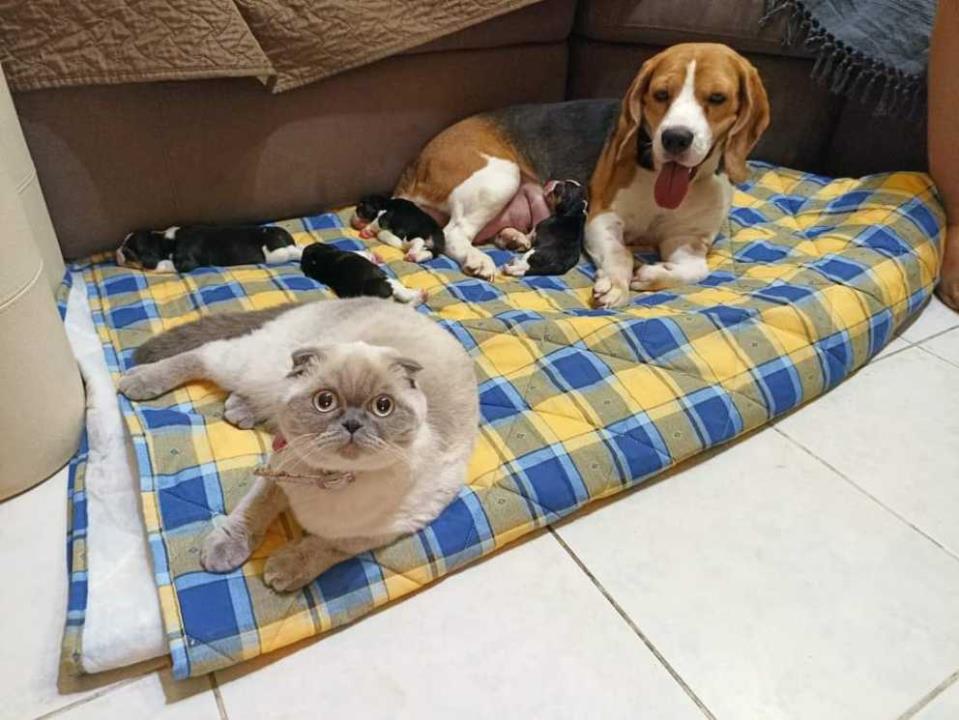
Fundamentally purebred dogs, constitute less than 10-20% of the current problems seen at shelters and sanctuaries. The 80% of dogs in sanctuaries are the product of ignorance and reluctance to learn. Promoting education and gathering information is imperative.
Diagnose before treatment.
Responsible breeding is not a commercial enterprise, nor are breeders the enemy. Responsible breeders will always be willing to cooperate, but that does not mean they forfeit their right to question the validity or efficacy of any proposals affecting them.
While I understand the distress that front liners at sanctuaries feel, they are barking up the wrong tree. The proposals put forward will not help the blight of animal sanctuaries and will make matters worse, pushing the illegal trade of puppies and kittens even more underground. Essentially, these proposals ignore people’s free will and exploit the general lack of education of the population.
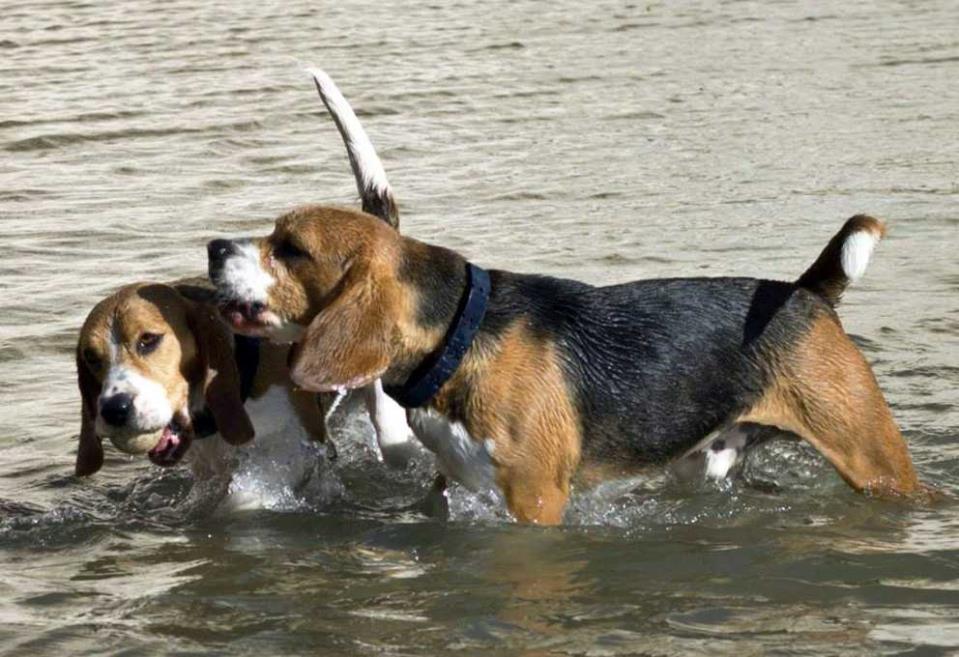
When responsible breeders do not produce puppy litters (for example during Covid-19, because of separation anxiety), or turn down potential owners, buyers go to puppy mills who entice them with cheaper prices for dogs without pedigree and documentation or more recently, puppy brokers who import vanloads of puppies from abroad at ridiculous prices, some sedating the animals in order to remain silent while travelling. These are not breeders; they are selfish, greedy criminals. I will not accept anyone associating me or others with this kind of scum.
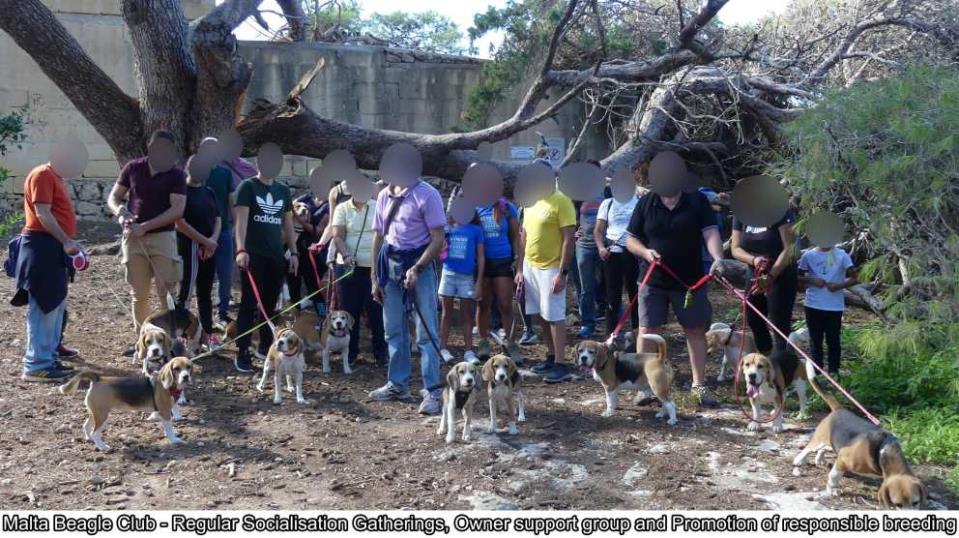
Instead of scaremongering on kill shelters, indiscriminate mudslinging and waving torches and pitchforks, one should have followed the provisions of the law and engaged in dialogue with clubs which are often made up of very knowledgeable people, who have an incredible love and passion for the animals they breed, and are internationally recognised for it.
Keeping in mind that crooks will always try to slither through net, and while I don’t assume to hold any monopoly on the truth, here are some proposals, among others, which I’m sure could bring some real change.
· Full government-funded educational TV programmes about keeping dogs and cats, which involve all stakeholders, to ensure balance and do not involve the promotion of any animal-related products;
· Stocktaking of all cats and dogs on the islands, obligatory microchipping with a system of check and balances;
· Encourage clubs to register as voluntary organisations;
· An overhaul in registering animals in one consolidated database that seeks to avoid duplicate registrations, including veterinarians’ clinic databases and information held by clubs;
· Keeping records of all litters and making the registering of pedigrees mandatory. While one should be aware that pedigrees do not ensure quality and health, they indicate the origin of the animal, hence providing a tool to avoid multiple breeding within one calendar year;
· No animal without pedigree should be mated. Mating of mixed breeds should not be allowed, including designer breeds and the Maltese popular mix, known as “tal-Lulu” (Pomeranian and Chihuahua mix);
· Introducing a high standard, Assured Breeder Scheme, in collaboration with different clubs, which will self-regulate breeders, provide meaningful DNA testing, training, support and checks and providing peace of mind to buyers, in line with already established protocols for responsible breeding;
· All inoculations should be given by qualified professionals. Veterinarians should be encouraged to keep up with emerging research with regards to inoculations, reproduction and breed standards;
· Sterilisation should not be undertaken before animals are fully mature, depending on the breed. The myth that if females are not mated at least once they will die should not be peddled further. This is not supported by science;
· Stricter controls on the importation of animals from all ports of entry and making sure that loopholes that encourage unethical practices are removed;
· Facilitate the process of adoption of animals in local shelters, as they are at a clear disadvantage to foreign imports;
· Prohibiting anyone, found guilty of running puppy mills, forging or falsifying pedigrees or profiting from unscrupulous animal trade, from owning any animals in future.