The social protection afforded to self-employed persons was discussed during a seminar organised recently by the Malta Federation of Professional Associations (MFPA).
The seminar was part of the project Social Protection for the Self-Employed (SP4SE) co-funded by the European Union and led by the Italian Confederation of Professionals, Confprofessioni, which represents over 1.5 million professionals in Italy. This is the third project concerning social dialogue by Confprofessioni in which MFPA collaborated as a partner.
Giving a brief overview of the project, MFPA CEO Norma Camilleri said Confprofessioni felt the need to take action because in many European countries, the right to social protection by the self-employed is not guaranteed. The labour market has changed as a result of many factors, including globalisation, technology and the introduction of new types of work, and this has created an urgency to deal with this situation.
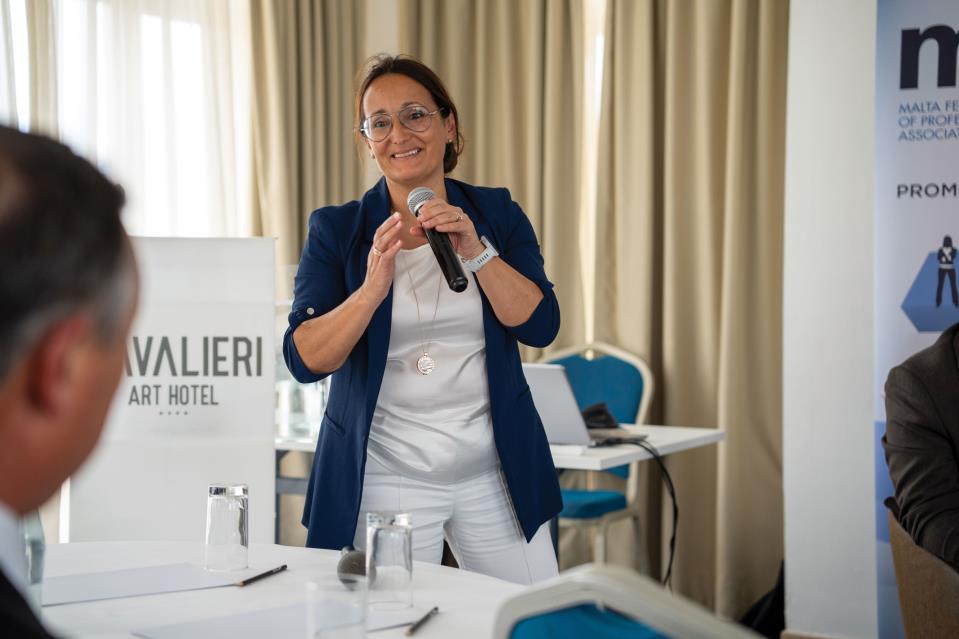
More than 14% of European workers are self-employed and there is a constant increase in all countries, she pointed out. Generally speaking, in Europe, the self-employed have a more limited coverage of social protection. Some countries have initiated reforms, while others have not, leading to a fragmented approach across the EU.
In the first phase of the project, research was carried out to look closer at the situation in a few countries. On Malta, the report said that social protection is generally given to all workers without distinction, although there are still some disparities, including when it comes to the sickness benefit. While employees have their first three days of sickness covered by the employed, self-employed persons do not enjoy the same right.
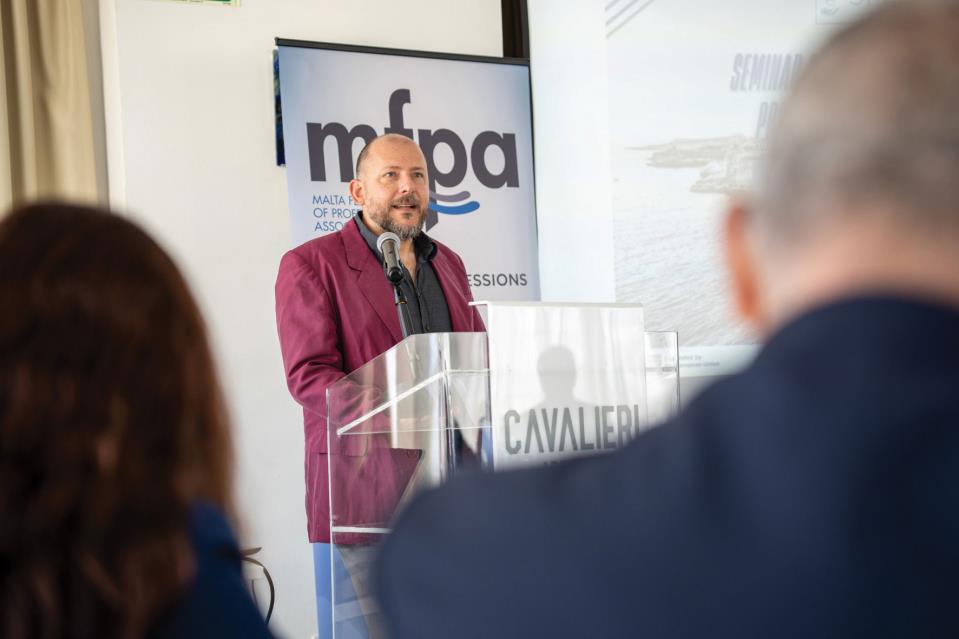
MFPA President James Licari said the federation, representing 17 different professions, believes in the importance of discussing challenges and opportunities for the protection of self-employed not only on the local stage, but also with European partners.
Professionals make up a growing chunk of the Maltese workforce and the numbers are increasing due to demographic changes, he said. This makes dialogue with European colleagues even more important.
He also announced that MFPA is currently taking part in another project on social dialogue for gender equality in the EU, with a seminar due to be held in October.
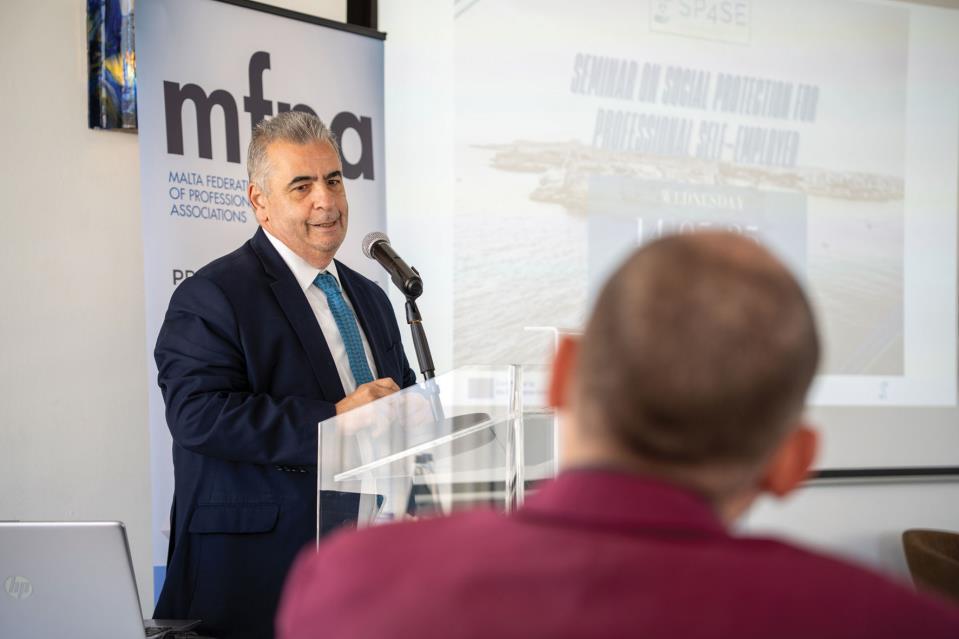
Social Policy Minister Michael Falzon said that the idea that the state alone should take care of employees is one of the past, but more can be done to protect the self-employed.
At the end of the day, professionals are contributing, too, he said, adding that social protection and access to social welfare should also be given to those who employ people.
The world has changed and so has the way we do business and social realities. "In the social sector we don't speak of spending but of investing, because the biggest investment we can make is in our people," he said.
Falzon pointed out that the government had recently introduced 100 hours of paid IVF leave to the self-employed while similar measures were introduced for paternity leave.
He also appealed to those present to come forward with their budget proposals by the end of June. Our doors are open to everyone, he added.
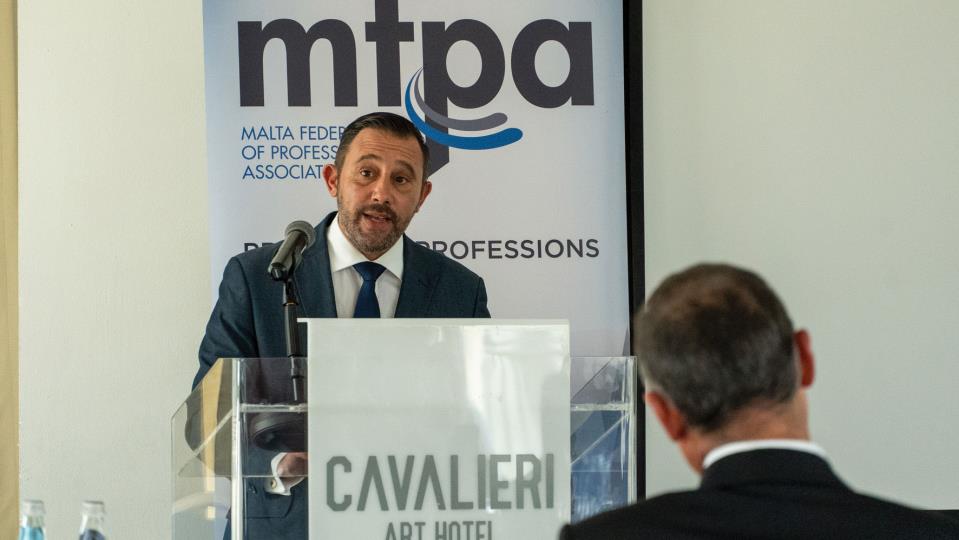
Ivan Castillo, the Shadow Minister for Social Dialogue, noted that many self-employed are not represented at national dialogue forums like the MCESD. Dialogue must be more inclusive and reflect all realities of the labour market, he said.
He called for full equality in social benefits, including family, illness, and unemployment support, a temporary income support mechanism for vulnerable self-employed individuals, and a reform in how benefits are calculated for self-employed persons.
Malta cannot afford to keep demanding more from the self-employed while giving less in return. They drive competitiveness, productivity, and innovation, Castillo said, reaffirming his personal and political commitment to making self-employed rights a national priority.
Granting the same rights to the self-employed is not a favour, it is a right, he said, adding that the Opposition has proposed equal access to family-related leave and benefits for the self-employed.
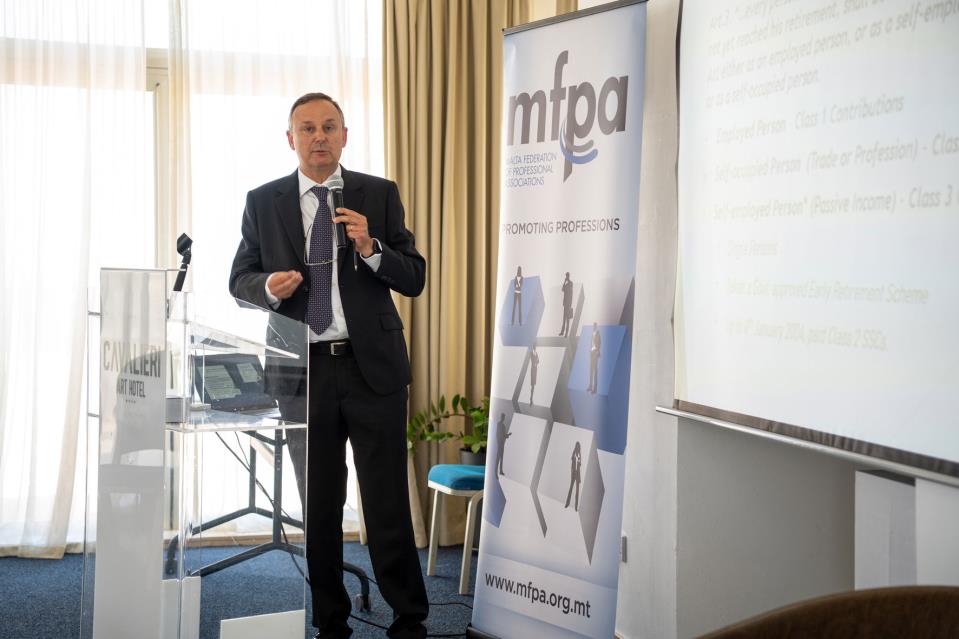
The seminar also included a detailed presentation on Malta's pensions system and the various social benefits, delivered by Adrian Sacco, Assistant Director Short-Term and Family Benefits at the Department of Social Security.
This was followed by two panel discussions. The first panel was made up of General Workers Union General Secretary Josef Bugeja, Gozo Business Chamber CEO Daniel Borg, Malta Chamber of SMEs President Paul Abela, Green Skip Services Ltd. CEO Mary Gaerty and Lead Engineer and Director of RePlant Malta Nicky Zarb.
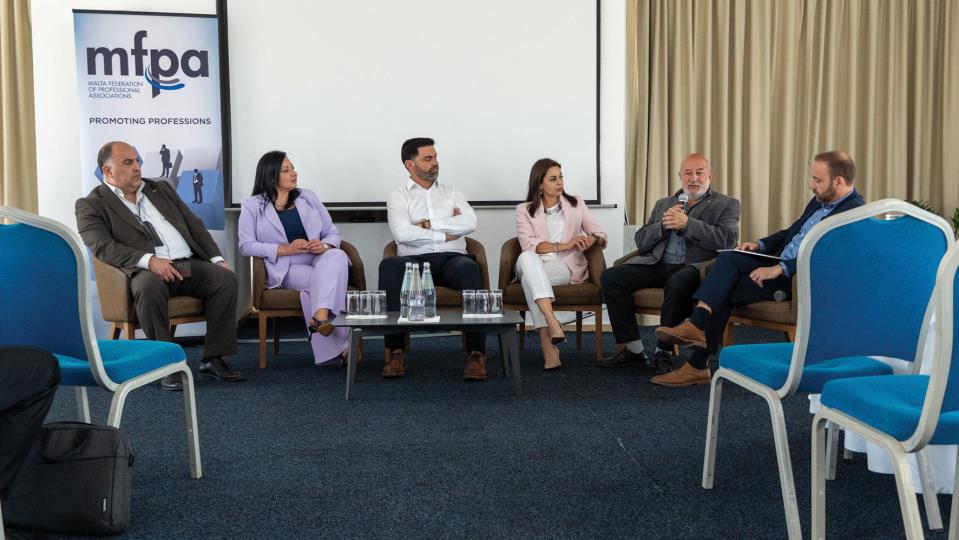
The second panel was made up of Chamber of Commerce CEO Marthese Portelli, UHM - Voice of the Workers CEO Josef Vella, Koperattivi Malta CEO Daniel Schembri, Malta Employers Association consultant Joe Farrugia and events host Lisa Spiteri.
Topics raised during the panels, which were moderated by freelance journalist Neil Camilleri, included the benefits that self-employed persons miss out on, such as the cost of living increase, the administrative challenges that they face, and problems they encounter on a regular basis, such as payment collection, which could lead to cash flow issues, especially when paying VAT to the authorities.
Other subjects discussed included the additional challenges faced by women self-employed, the need for the state to recognise that there are different levels and types of self-employed, the lack of awareness among the self-employed on the importance of saving and paying their social security contributions, and the need for a reform in public procurement to ensure a fair and level playing field.