On Sunday 7 December, the Malta International Organ Festival reaches its final, blazing chord in Valletta with Concertos and Masterpieces for Organ, a grand finale that brings together Handel, Rheinberger, Vivaldi, Duruflé and Naji Hakim in 75 minutes of concentrated energy and colour.
At 7pm, German conductor Johannes Skudlik leads the Malta International Organ Festival Orchestra, with fellow countryman Winfried Lichtscheidel as soloist, at the Basilica of Our Lady of Porto Salvo and St Dominic in Valletta.
This concert crowns the festival's twelfth edition, which from 20 November to 7 December has presented eleven events in churches and historic spaces across Malta and Gozo, confirming the Malta International Organ Festival as a fixed date on the islands' cultural calendar.
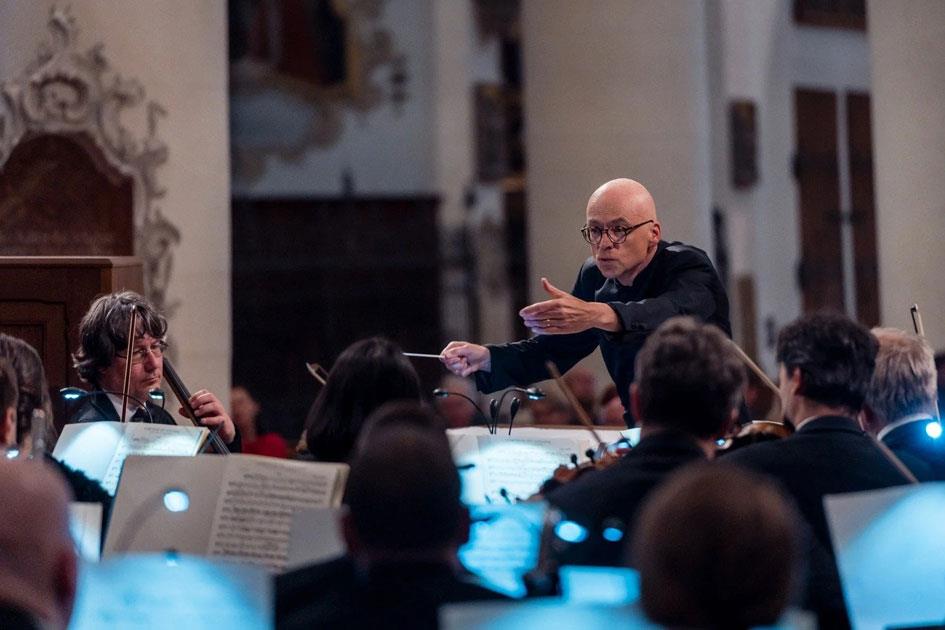
Johannes Skudlik
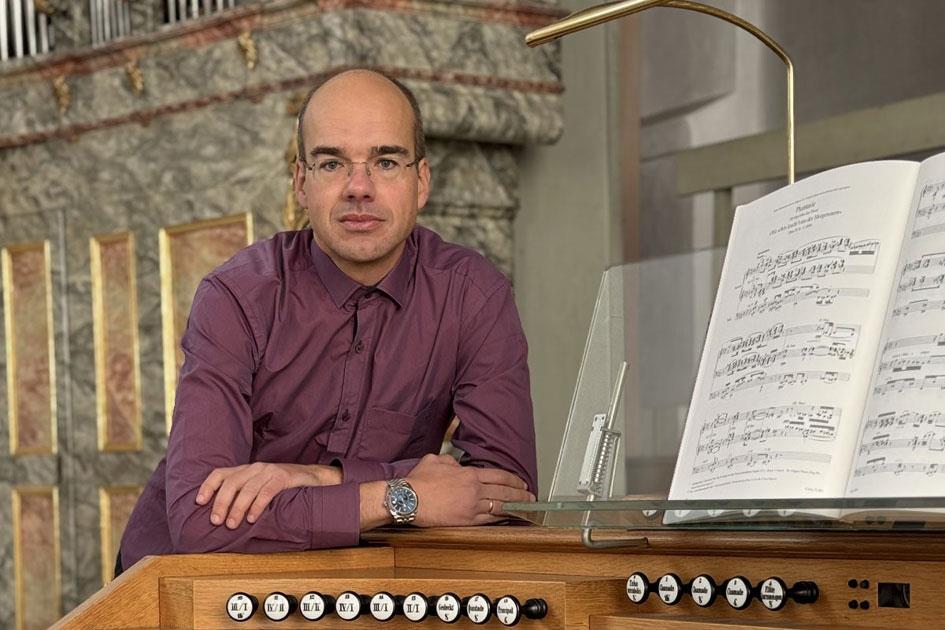
Winfried Lichtscheidel
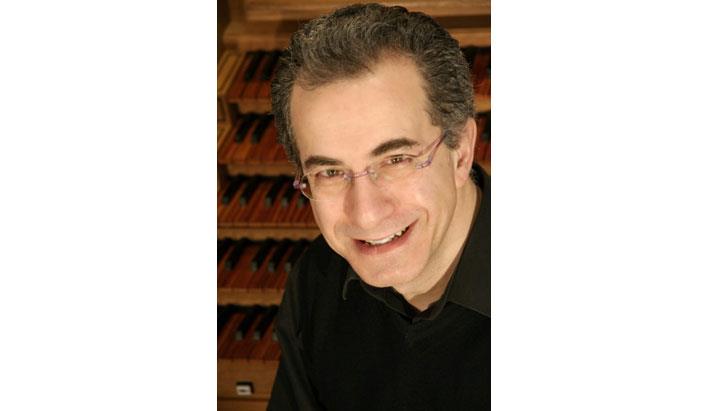
Naji Hakim
From royal fireworks to French brilliance
The evening opens in ceremonial style with the Ouverture from Handel's Music for the Royal Fireworks, heard in an arrangement for solo organ by Winfried Lichtscheidel. Originally written in 1749 for open air celebrations in London, it is all fanfares, dotted rhythms and broad processional gestures. On the basilica's organ those same lines are compressed into ten fingers and two feet, turning Handel's outdoor spectacle into an intense display of registration, articulation and sheer physical stamina at the console.
From this public splendour, the programme moves into the richly woven world of Josef Rheinberger's Organ Concerto No. 1 in F major, Op. 137. Cast in three movements, Maestoso, Andante and Con Moto, it is a cornerstone of the Romantic organ repertoire. The concerto balances weight and warmth: a noble, architectural opening, a more intimate inner span, a gently flowing pastorale and a jubilant finale that sets the soloist and strings in lively dialogue. For Maltese audiences, it is a rare chance to hear the work live and to experience the organ as a full blooded concerto partner rather than a purely liturgical voice.
The mood then turns sharply pictorial with Winter from Vivaldi's The Four Seasons, in Lichtscheidel's transcription for organ. Vivaldi's familiar depiction of teeth chattering cold, swirling snow and sudden storms is reimagined on one instrument. The biting string figuration becomes crisp manual work, while rapid changes of registration suggest the contrasts between solo violin and ensemble in the original concerto. The famous slow movement, a long singing line over shivering accompaniment, is transformed into an intimate organ cantilena above gently trembling chords.
The French symphonic tradition takes centre stage with Maurice Duruflé's Toccata, Op. 5. Composed in 1933, it is one of the great twentieth century organ showpieces. Rapid semiquavers, wide leaps and relentless rhythmic drive demand absolute precision and stamina from the performer. Under the surface brilliance, Duruflé's harmony, influenced by Debussy, Ravel and Gregorian chant, creates that distinctive mixture of radiance and prayerful intensity. On the basilica's new instrument, the Toccata will perhaps offer the clearest demonstration of its virtuoso capabilities, from filigree passagework to a thunderous conclusion.
Hakim: a contemporary voice with Maltese roots
The festival, which opened with music by Girolamo Abos, signs off with a leap into the present day in Naji Hakim's Organ Concerto No. 3 in three movements, Allegro, Moderato, Allegro. Born in Beirut in 1955 and long based in Paris, Hakim is widely known as one of the leading figures of the French organ school and as Olivier Messiaen's successor at La Trinité. Crucially for this occasion, just as Abos is counted among Malta's composers, Hakim also proudly traces Maltese ancestors in his family line, so that alongside his Lebanese and French identity he can in a very real sense be claimed as one of our own.
That connection gives a special resonance to hearing his Third Concerto in Malta. The outer movements are energetic and rhythmically driven, full of asymmetrical patterns, sharp accents and sparkling passagework in the solo part. The central Moderato offers contrast, more reflective, with long chant like lines and an almost improvisatory feel.
As a finale to the Malta International Organ Festival, Hakim's concerto brings the story right up to the twenty first century, the organ not just as keeper of baroque and romantic repertoire, but as a modern voice capable of jazz tinged harmonies, unexpected syncopations and a distinctly Mediterranean colour. Placed after Handel, Rheinberger, Vivaldi and Duruflé, it acts as a kind of commentary on the whole evening, absorbing elements of the past and reshaping them through a contemporary, Maltese linked imagination.
Tickets are priced at €20 and may be reserved through the Malta International Organ Festival's website https://www.maltainternationalorganfestival.com/programme-2025.html. The festival is made possible through the support of Visit Malta, Festivals Malta, Biz Consult Ltd, APS Bank, The German Embassy in Malta and the Istituto Italiano di Cultura La Valletta, whose support allows this music to be heard in Malta's historic churches and basilicas.