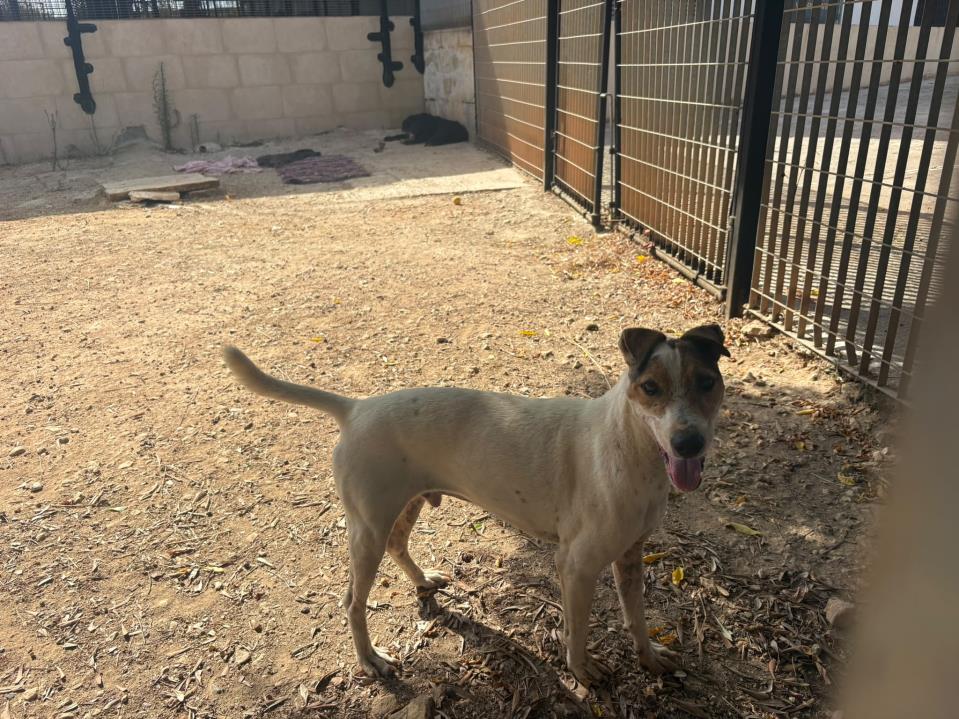
An animal sanctuary volunteer has called for Malta to regulate dog breeding, arguing that unrestricted breeding contributes to animal abandonment and leaves volunteers with limited legal avenues when they identify suspected irresponsible practices.
Association for Abandoned Animals (AAA) volunteer Rosalind Agius said that irresponsible breeding is a major contributor to animal abandonment. Speaking to The Malta Independent on Sunday, Agius described the practice as "a big problem". She said Malta lacks sufficient regulation of breeding. Because of this, breeding is effectively open to anyone due to the absence of a regulatory framework governing who can breed animals and under what conditions.
Breeding, Agius argued, should be treated as a regulated sector. Becoming a breeder should involve requirements or oversight, rather than being something anyone can simply decide to do. Agius said the AAA reported a woman to Animal Welfare who allegedly keeps three dogs together for breeding and has produced numerous puppies. The motive is of course profit. According to Agius, some puppies are sold for as little as €50, and she characterised this as breeding animals "just to make a quick buck". However, reporting alone is insufficient without legislation. Agius said there is a gap between seeing and reporting suspected irresponsible breeding and having a legal framework under which authorities can act.
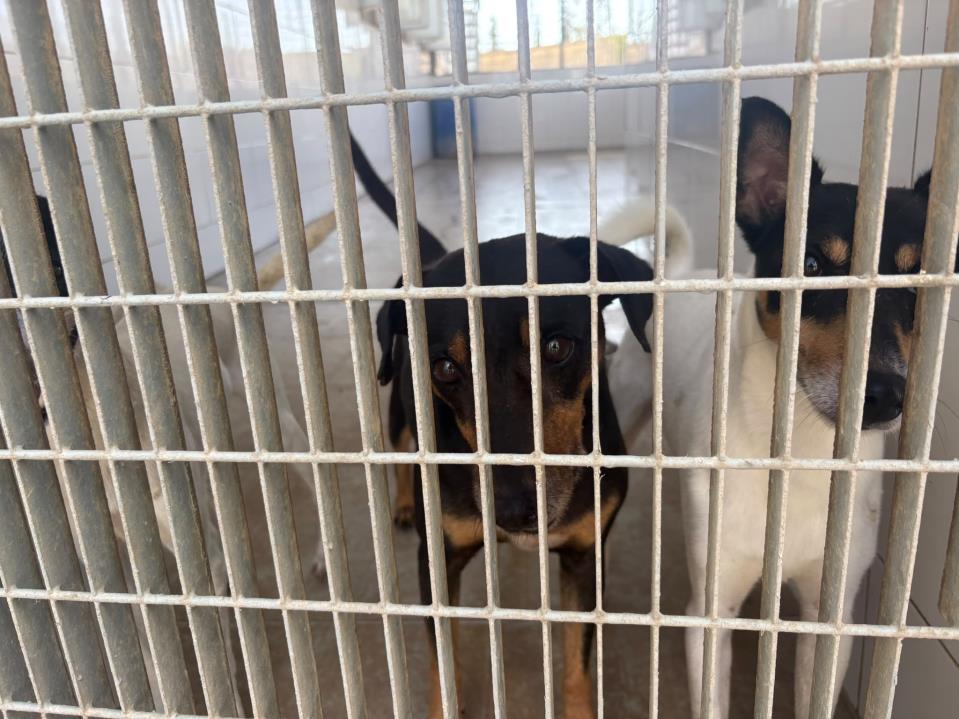
The AAA sanctuary normally cares for around 80 dogs. However, the number rises during the annual puppy rush. Agius said the sanctuary can exceed 80 dogs around March-April, when there is an influx of puppies. Dogs arrive through multiple channels, be it from the streets after being picked up by members of the public, from Animal Welfare confiscations, and from owners who surrender animals because they no longer want them.
A major occurrence, according to Agius, is owners abandoning dogs because their life circumstances change. She listed recurring explanations including relationship breakdowns, moving house, having a baby and changing jobs. That being said, some owners cannot even give a clear reason for surrendering their dog. Agius said that some people treat animals as disposable. She argued that people should view animals as family members and a lifelong responsibility, rather than something they can give up when their circumstances change. Agius appealed to prospective pet owners not to get an animal unless they are prepared to care for it for its entire life.
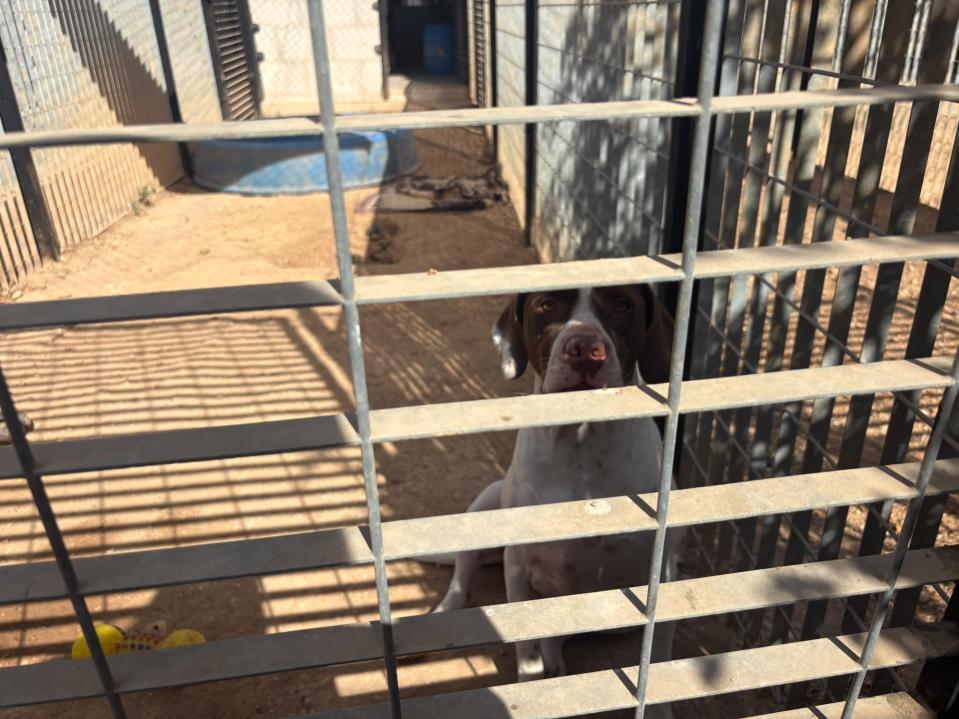
Large dogs are the hardest to rehome, Agius said. She identified size as the biggest obstacle to adoption. Many people live in smaller homes and cannot - or do not want to - provide the exercise larger dogs require. In fact, age is not necessarily the biggest factor, as size can matter more. Agius said that a 10-year-old, 5 kilogramme dog may be easier to rehome than a one-year-old, 25 kilogramme dog. Breed also has a major impact on demand.
There is a stark disparity of demand between popular small breeds and larger or stronger breeds. A Shih Tzu can reportedly attract dozens of potential adopters, while dogs of bigger sizes receive little interest. There is thus a mismatch between the dogs needing homes and what adopters want. The problem is not simply the number of dogs available for adoption; some dogs are substantially harder to place because prospective owners have specific preferences around size, breed, and lifestyle. Many prospective adopters contact the sanctuary looking specifically for small dogs, but these are relatively uncommon, meaning the AAA misses out on placing larger dogs with otherwise suitable families.
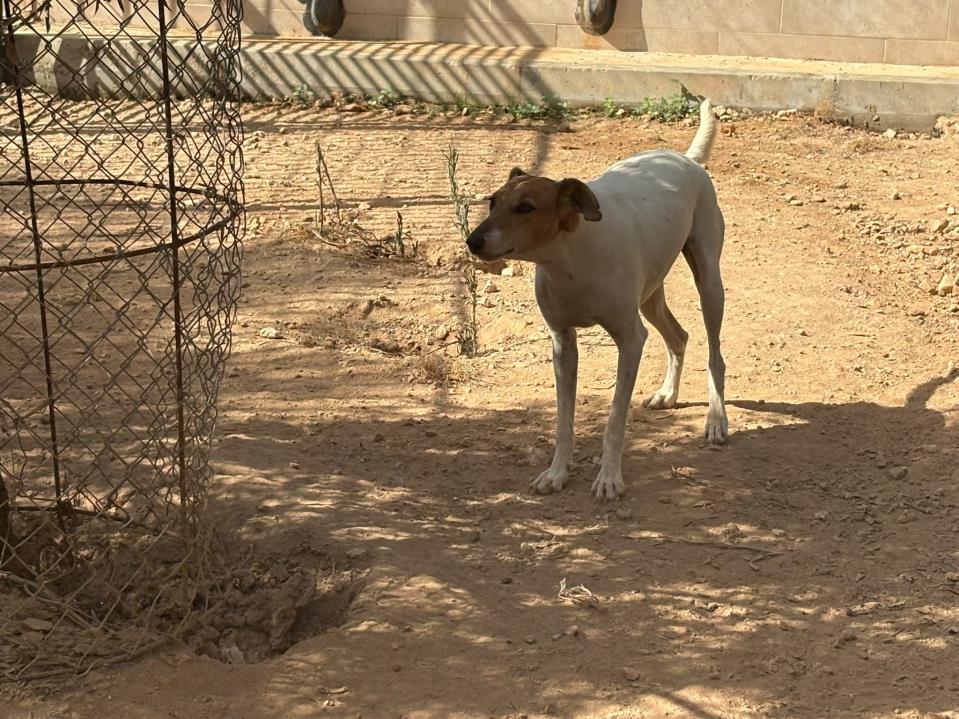
The sanctuary's workload is continuous and wide-ranging. Staff and volunteers start as early as 6.30am, cleaning the sanctuary, administering medication and changing bedding before moving on to adoptions, incoming abandoned animals, veterinary visits, phone calls and maintenance.
Agius described the work as "endless". Unfortunately, the sanctuary continues to face a shortage of volunteers. Agius acknowledged that volunteering is difficult because of work commitments; many people who are willing to help simply struggle to find the time because of their jobs. That being said, even occasional volunteering makes a difference. If one is able to contribute half a day once every two weeks, this is still valuable to the sanctuary. Appealing to potential volunteers, Agius said people over the age of 16 who love animals are welcome to dedicate their time to helping the sanctuary in its daily operations.
Another problem that the AAA faces is that it cannot keep up with demand for admissions. Agius described constant demand for shelter spaces, saying the sanctuary's phone "does not stop ringing" with requests to take in animals. There is even a waiting list for larger dogs. Because these are harder to rehome, they stay at the sanctuary longer, and new admissions can be delayed. Moreover, urgent welfare cases often take priority. Agius said some dogs are in such poor condition that they must be admitted immediately, further delaying admissions for other dogs. The extent of the problem, Agius said, is difficult to appreciate without seeing it firsthand. The scale of animal neglect is greater than many people realise.
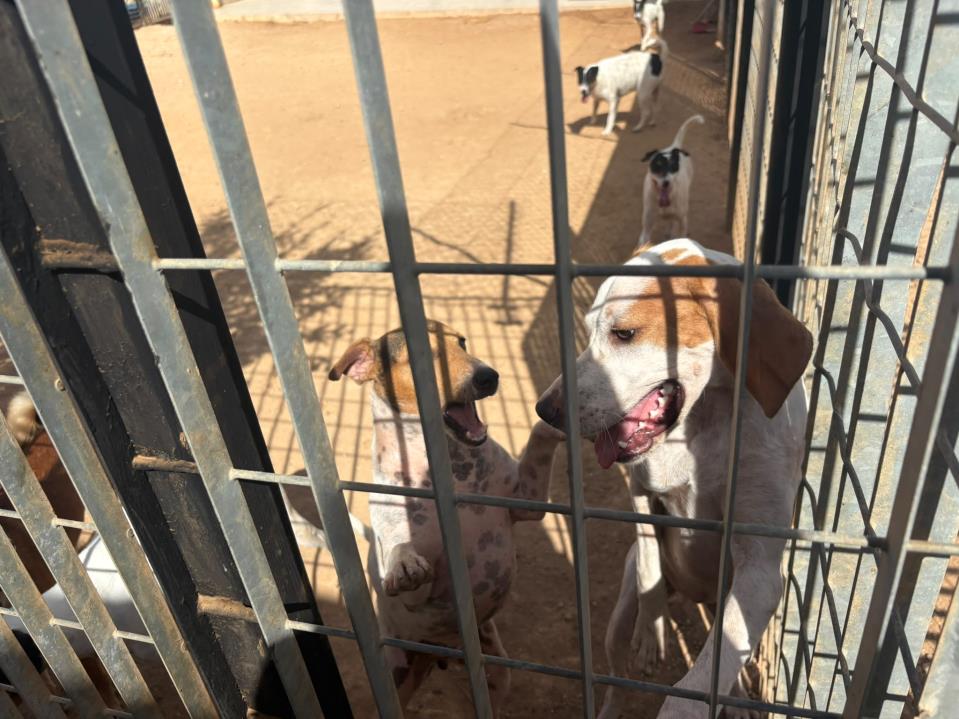
On a more positive note, the post-Christmas surge in abandoned puppies has declined. Agius said the sanctuary used to see a significant number of puppies abandoned in the period following Christmas, although this trend has declined over the years. This is a positive development and suggests greater public awareness about giving pets as gifts.
That being said, the most significant spike that Agius recalled was following the Covid-19 lockdowns. She said many people who acquired pets during the pandemic later surrendered or abandoned them once restrictions ended. She described this as the most memorable surge in her 23 years of volunteering. Agius believed many "pandemic pets" were acquired for companionship rather than long-term commitment. Some owners wanted dogs to keep them company during lockdown but no longer wanted them afterwards.
Serious welfare cases are a regular occurrence. Agius said the sanctuary deals with severe cases "all the time". Highlighting a recent case of medical neglect, Agius described a dog that arrived with a large untreated hernia after months without veterinary care before being abandoned. Agius said that medical neglect is Malta's most prominent form of animal abuse. She acknowledged the financial burden of veterinary care, but stressed that prospective owners should be financially prepared to care for an animal throughout its life, including unexpected medical costs.
The sanctuary also encounters cases of deliberate cruelty and severe injury. Agius said volunteers have cared for dogs that were kicked and even hit by cars. The work of course takes an emotional toll on volunteers. Agius said repeatedly witnessing abused and neglected animals can be traumatic for those caring for them, which is an often-overlooked aspect of animal welfare work.
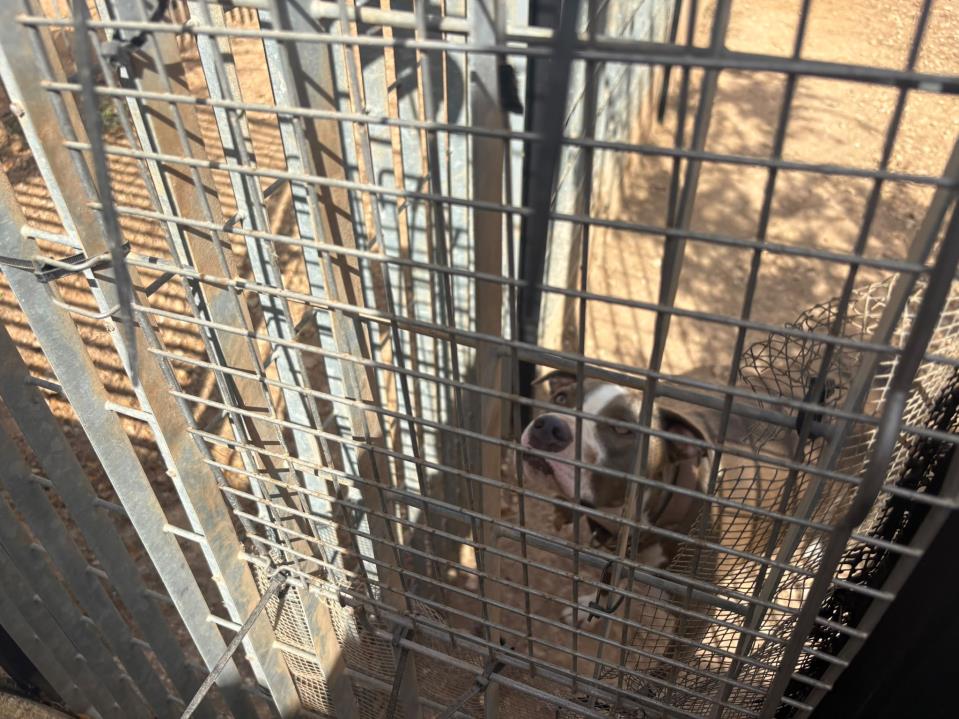
Surprisingly, most neglected or abandoned dogs remain friendly despite their experiences. Agius said that contrary to what many people expect, the vast majority of rescue dogs are affectionate and sociable despite having been abandoned or neglected. Only a minority of dogs require special behavioural considerations. These animals receive additional care and are matched more carefully with suitable adopters. Moreover, Agius believes that behavioural issues are often linked to poor breeding rather than abuse alone. She suggested that dogs with aggressive or "snappy" behaviour are, in many cases, more likely to have been affected by irresponsible breeding than by psychological trauma.
According to Agius, one misconception about adoption is that the procedures for doing so are unnecessarily complicated. She explained that the screening process exists to ensure the dog is placed in a safe, suitable home - not to discourage adopters. Agius noted that adoptions take place frequently, arguing that the number of successful rehomings demonstrates the process is efficient rather than overly bureaucratic.