The Melita Shipyard Facility in Paola refits and repairs around 4-5 superyachts each year, bringing in millions of euros to the Maltese economy.
Pierre Balzan, Director of the Melita Marine Group - who control the facility - said that around 100 employees work in the facility, 90% of whom are Maltese. "These are mainly technicians, engineers and specialised personnel".
Any yacht measuring over 30m long is considered a superyacht. The largest superyacht docked so far was the 75-metre Plan B. Other yachts included the 67-metre Garcon, the 70-metre Martha Ann and the 45-metre Kriss. The yard is also awaiting a 100-metre yacht in the next months.
The facility can take up to a maximum of 500,000 tonnes and yachts measuring up to 100 metres. "This accounts to around 90% of all superyachts in the world," he said. "The company can handle any kind of work needed for such sea-faring vehicles".
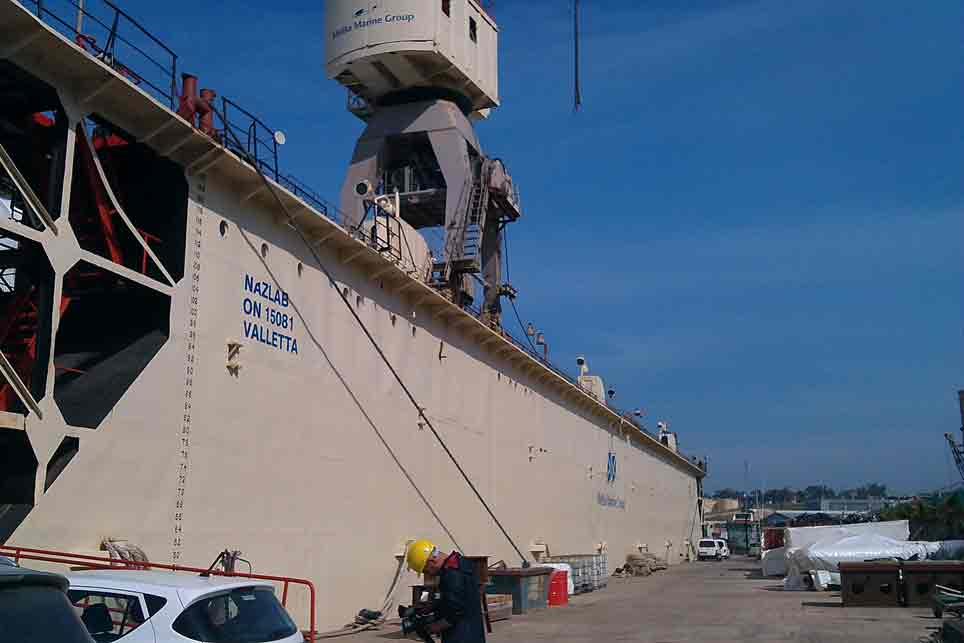
"All fire, health and safety systems are in place and the company follows all maritime and local regulations. We have reached the highest standards locally and in the Mediterranean".
Currently, the superyacht Baraka is docked here, receiving its first ever five-year refit. The yacht, the Director said, berthed at the facility in March and will leave in April. The process includes checking all the systems, removing the rudders and stabilizers etc. Aside from this, the superyacht is receiving a new coat of paint.
"The team painting the yacht is the only paint application team for such yachts composed of Maltese nationals operating in Malta".
Asked about Yachting Malta, he said he is not involved however believes that any initiative that the Royal Malta Yacht Club or government takes towards promoting yachting in Malta is welcome at any level, so we look forward to seeing the results.
The Superyacht Baraka, which can take up to 14 crew members and 12 passengers.
"Our scope is to attract more superyachts to Malta and to offer high level services using Maltese workers". The Director argued that the company trains their workers constantly.
Baraka captain Fernando Silvano said that this is the third yacht he brought to Malta for such a service. Baraka can sail at a maximum of 15 knotts and normally cruises at around 11 knotts. At such speed, the captain said, the yacht could reach Pozzallo from Malta in 4 hours and can hold 120,000 litres of fuel.
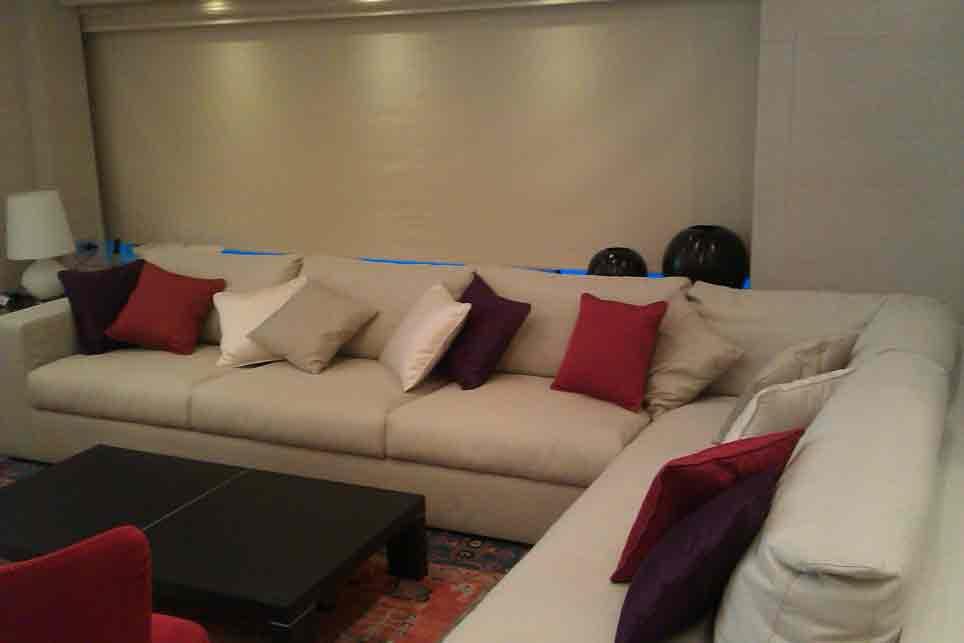
The 58-metre yacht, based in Northern Italy, was custom-built by Turkish Proteksan Turquoise. Renowned Italian studio Paskowski Design was responsible for her contemporary interior. The yacht has six staterooms and is fitted out with modern, state-of-the-art equipment including an elevator, Jacuzzi, sauna and a fully equipped gym.
The next port of call, the Captain said, would be Sicily and from there, the yacht will travel around the Mediterranean.
So why choose Malta. Captain Baraka argues that in every business one must compare quality and pricing. "The quality of service offered in this facility, in addition to the price, makes it very competitive".
As for life on the sea, Captain Silvano began working on the sea within the Uruguayan Navy 26 years ago, retiring as a Commander and has been working on yachts for the past 16 years. "Life at sea is not easy and one must really love it. It is not easy for families and for human beings in general as we are created to live on land. If you do not love your career it would not work. Yachts are not like merchant ships, that spend the whole year sailing and navigating. On this boat, we halt operation for maintenance, so in total we spend around 5 months sailing".
"Two enter this career there are two options. If one wants to work on merchant ships then one must go to school with specialised training to become an officer. For yachts young people start with basic compulsory courses such as survival training, firefighting, first aid etc. After this they could embark on their career working on deck or in the interior. While working they would undertake more courses and acquire what we call "sea time" until one day they can become a captain".