In 2005 I came across a book by the name of Inkheart in which the hero of the story, a book-binder and restorer by profession, possessed the ability to bridge fiction and fact. The stories he narrated would leave the confines of their pages and traverse into reality. Since then, I have retained a certain fascination with bringing texts on the brink of destruction back to life.
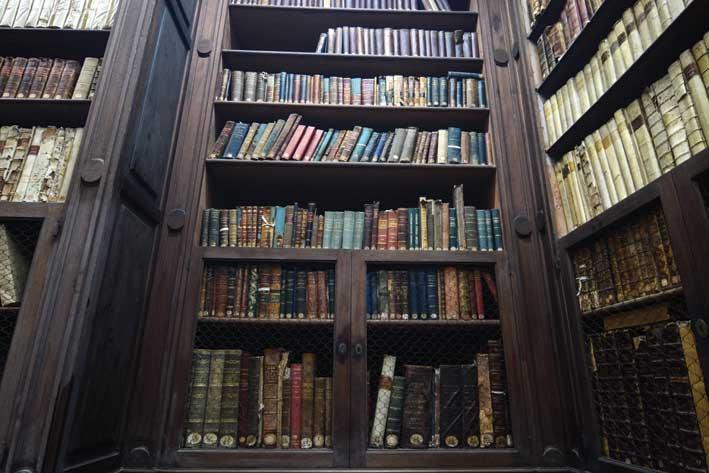
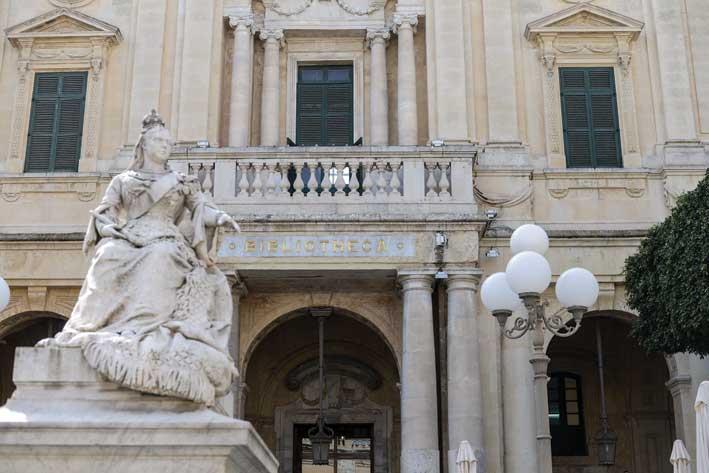
A decade later, an unexpected opportunity presented itself through work to visit the unseen parts of the National Library of Malta, including the valiant restoration and preservation efforts undertaken to save and maintain the phenomenal corpus of knowledge residing within the Biblioteca. The inaccessible alcoves of this shrine to the written word are truly the stuff of fantasy. Akin to the now renowned main hall, yet equally as awe-inspiring, the rest of the building is lined from floor to ceiling with wooden shelving and wall-to-wall with a plethora of books written, printed and bound in various styles.
Repositories of royal correspondence on parchment, bearing the signatures of the continent's protagonists of history, detail through first-hand accounts Europe's seminal milestones over a period spanning centuries. First editions of some of the world's most seminal works of literature grace the shelves next to patiently hand-drawn, colourful manuscripts. This inestimable treasure trove is sadly often overlooked and its worth poorly appreciated.
Efforts are currently underway to digitise several of the most prized pieces in the library's collection and place them online. By using one's smart phone, one can now access the National Library's first edition of Nostradamus' Les Propheties.
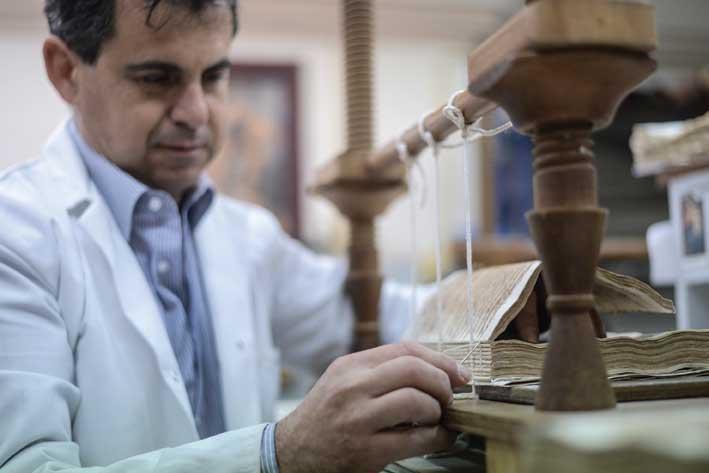
I am given an explanation of the work currently being carried out in the unseen sections of the library by Marco Micallef, one of the restorers entrusted with the task of safeguarding this vault of written volumes. He explains that the process of preserving these priceless pieces is a laborious one, requiring a love of the work and generous helpings of patience to bring these books to a state resembling their original form.
Our interview begins with a brief tour of the space where this work is carried out. The restoration laboratory resembles a traditional book-binding workshop. Old wooden and iron tools, worn by age, their sheen unevenly spread through hundreds of hours of contact with human hands, can be found strewn along work benches. Sheets of softly coloured, patterned and marbled paper, used primarily to line the inside of book covers lie between the machines. The walls of the space are appropriately decorated with framed prints from old manuscripts graphically illustrating the book-binding and printing trade of centuries past. The scent is remarkable; an infusion of old paper, parchment, leather and fresh pulp, with a hint of glue.
A small book lies open, half way through its rejuvenation process. Impeccable Arabic calligraphy dances across slightly yellowed paper next to a hand-painted Middle Eastern landscape, the colours of the image still vibrant in spite of their age. We are told that the exotic, natural oils that were originally rubbed against the paper to give the images their trademark shimmer, a signature of books from that region, can wreak havoc over time. Silverfish and book worm love the stuff and the price of that sheen is an unwanted attraction to insect squatters wishing to make these pages their permanent residence.
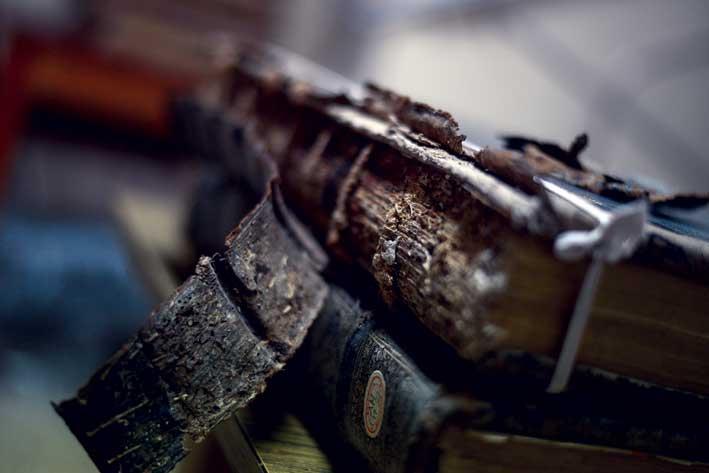
The process starts by identifying and prioritising the books that are most in need of attention. We are told that some of the books have remained pretty much unmoved from their shelves in centuries. The item is then given a thorough examination that notes the condition of the cover, the binding, content, paper and the presence and sequencing of all the pages themselves. The level and type of intervention required is then determined. The aim of any work carried out is threefold: preservation, restoration and conservation. The work might entail anything from a good clean to re-pulping the paper and fabricating the cover and binding from scratch, making use of the original materials wherever possible. In this respect, the same methods and workmanship have remained largely unchanged for centuries. »
Photos of the book are taken before starting the work to ensure that the result matches the book in its original state as much as possible. The binding, cover, style and technique are then replicated. It is, in fact, possible to give an approximation of the age of the book through its appearance and the way it was made. The process of restoring a single book - depending on its size and the extent of the damage - may take anything from a month to a year to complete.
Interestingly enough, it is the more recent books that seem to fare the worst with the passage of time and thus require more immediate care, while older manuscripts tend to deal comparatively better with age. I am told that the environment in which the book is stored is also a determinant of the amount of damage it may suffer over the years. Whether or not neighbouring publications are harbouring parasites, the amount of direct sunlight to which it is exposed, humidity levels and temperature variations are all contributing factors to the condition of a book and apparently books that are removed from their shelf and handled with care every now and then also seem to fare better than those that remain unopened for long periods of time.
For those who have such books at home, the advice Marco gives is to ensure that they are not exposed to any environmental extremes. Consistent climatic conditions and a space with sufficient ventilation yet devoid of humidity, heat, direct light and dust should help ensure the longevity of one's beloved books. An off-the-shelf insecticide may be sprayed lightly on the shelves but never on the books themselves. One interesting piece of advice is that cypress wood is one of the best materials for shelving, since it deters parasites. If you want to know more about the condition of your ancient books, you can always drop by the Biblioteca to either obtain some advice or take in the sight of one of the country's most influential and breath-taking monuments to human knowledge.