While the Council of the European Union on Friday took Malta out of the dreaded Excessive Deficit Procedure, where it had been languishing since June 2013, after the public deficit was successfully reduced below the three per cent of gross domestic product threshold, Brussels nevertheless sounded a number of warnings over the long-term sustainability of its finances.
In the lead-up to Friday’s announcement, on Monday, the General Secretariat of the Council issued its own recommendation, which led to the final Council recommendation to take Malta out of the EDP.
In that recommendation, a number of warnings were issued and it also highlighted a number of grey areas that need to be clarified. Following is the full recommendation.
Long-term risk to sustainability of public finances
The sustainability of Malta’s public finances is at risk in the long term, in particular in view of a projected increase in age-related expenditure.
According to those recommendations, “In the pension system, the legislated increase in the statutory retirement age is being introduced at a very slow pace and there is no specific link between the statutory retirement age and life expectancy.
“Malta has addressed the challenges of its pensions system through labour market measures and the introduction of third-pillar pensions, and has made further policy announcements in its National Reform Programme, but measures aimed at substantially improving the sustainability and adequacy of the system still have to be announced and implemented.
“Implementation of the 2014 national health systems strategy has started, with the aim of maximising the efficiency of the healthcare system while pursuing its financial sustainability. This needs to be monitored.”

Early school leaving
Malta, the recommendations observe, has put in place measures to help its population manage their work and family life balance, in particular through fiscal incentives, the continuing provision of free childcare centres and the introduction of flexible working arrangements.
At the same time, the increased demand for informal long-term care and a lack of suitable skills may be preventing older women from seeking work in the labour market. A national literacy strategy and an early school-leaving strategy were published in June 2014.
Work is also ongoing to align educational outcomes with market needs, though tangible results are yet to be seen.

Venture capital efforts need to be monitored
Efforts have been made to provide a framework for the use of venture capital funds and to facilitate access to capital markets, in particular through the review of the start-up scheme Malta Enterprise and the announced seed investment programme. Work is also ongoing to set up a development bank. This needs to be monitored.
Tax evasion
Malta’s efforts to fight tax evasion and encouraging tax compliance through the pursuit of a streamlined revenue collection framework go in the right direction. While work is ongoing, there is a need for concrete measures to accelerate the uptake of electronic payments.
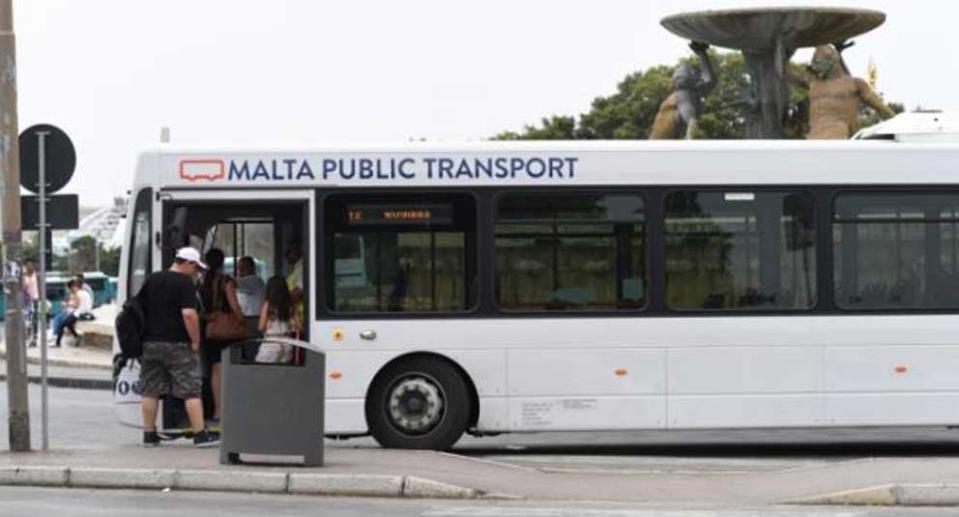
Public transport reform: no comprehensive strategy
The length of public procurement procedures has been significantly reduced through the introduction of mandatory e-procurement and the strengthening of the relevant government departments. It will be further reduced through the implementation of announced measures, in particular the recruitment of additional staff and the introduction of a tracking system. Transport costs play a substantial role in Malta’s economy.
A reform of transport has recently been launched, but the government still needs to present a comprehensive transport strategy.

Justice system reform
The National Reform Programme specifies measures to reform the justice system beyond those identified in the country report. As a result, Malta has made some progress in addressing the 2014 country-specific recommendation on increasing the efficiency of the judiciary. Also, a draft bill is being finalised. When it has been enacted and implemented, it is expected to improve further the efficiency of the judicial system, in particular through the digitisation of court proceedings and the promotion of alternative dispute resolution mechanisms.
The recommendations
Malta should take action in 2015 and 2016 to:
1. Following correction of the excessive deficit, achieve a fiscal adjustment of 0.6 per cent of GDP towards the medium-term budgetary objective in 2015 and 2016.
2. Take measures to improve basic skills and further reduce early school-leaving by promoting the continuous professional development of teachers.
3. To ensure the long-term sustainability of public finances, continue the ongoing pension reform, such as by accelerating the already enacted increase in the statutory retirement age and by consecutively linking it to changes in life expectancy.
4. Improve small and micro-enterprises’ access to finance, in particular through non-bank instruments.