A number of human rights organisations and the Commissioner for Children have called on the EU to create safe, regular and accessible channels of migration in the wake of a military operation which will eventually lead to targeting smugglers’ boats, with some organisations going as far as stating that any military action is “misguided, irresponsible, and inhumane”.
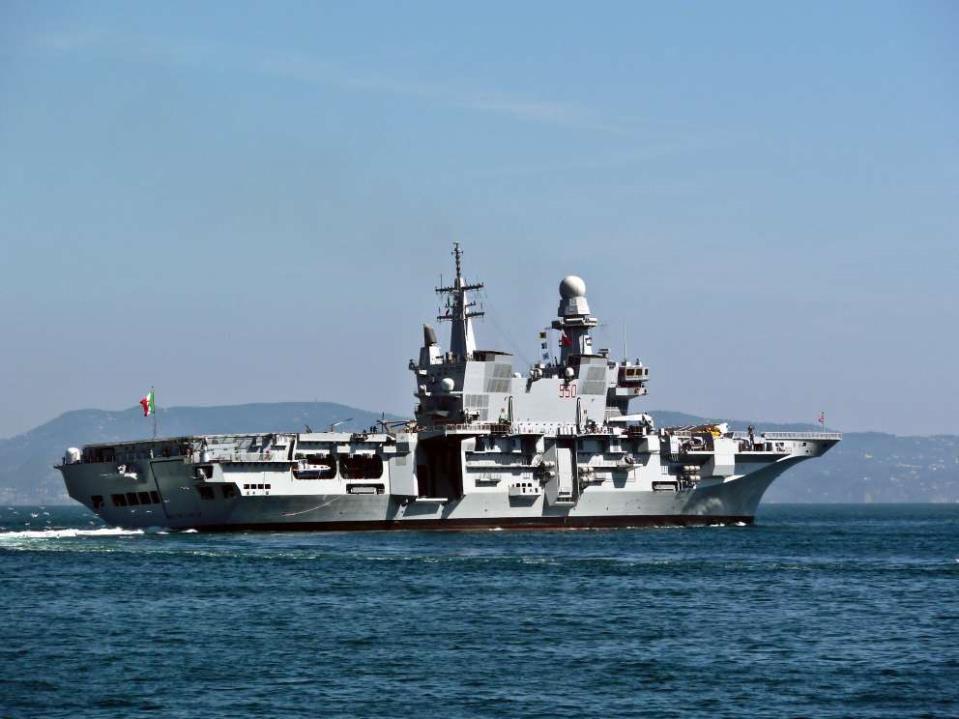
The Ministry of Home Affairs meanwhile welcomed the launch of the new EU military operation, EUNAVFOR MED, forming part of the emergency measures adopted by the European Council of April where EU Member States, including Malta, agreed to work together to break the business model of smugglers.
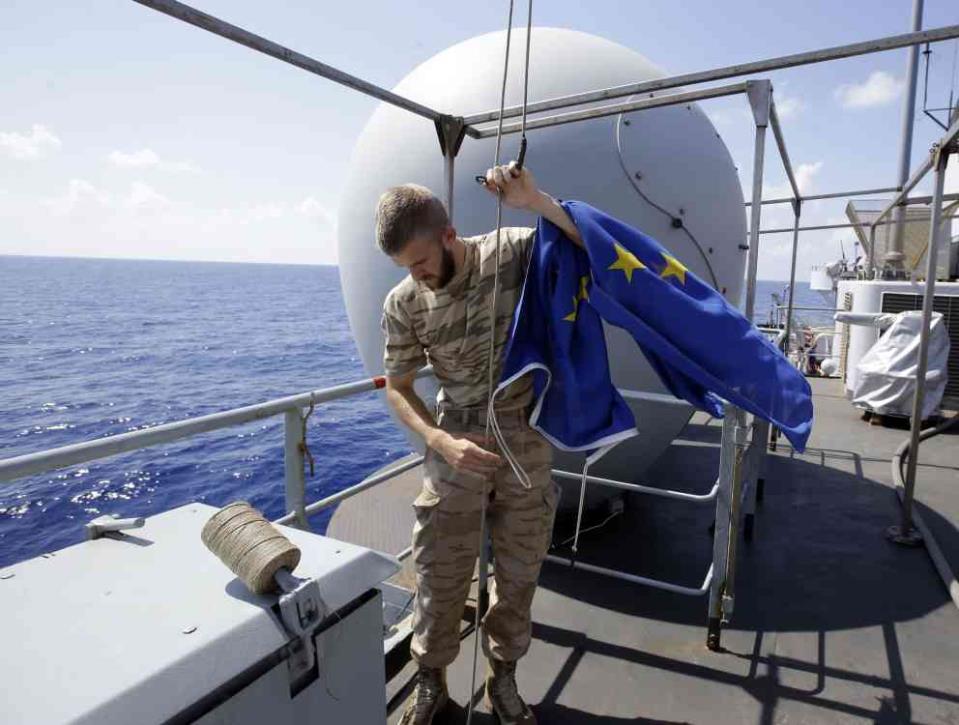
Their comments to our newsroom came following yesterday’s long-awaited decision by the EU to begin naval operations which will target smugglers who ferry hundreds of thousands of migrants towards Europe. Recently, Italian Prime Minister Matteo Renzi dubbed people-smugglers as “slave traders of the 21st century” who “should be brought to justice”.
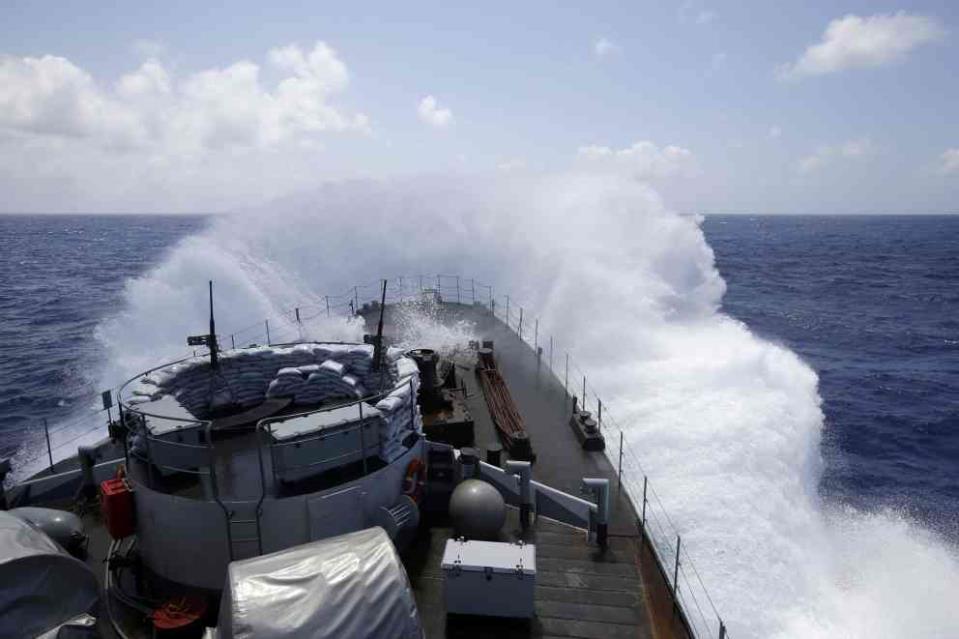
The EU aims to "dismantle the business model" of smugglers by destroying their boats by means of a number of assets at sea. But the UN has been slow to endorse the operation amid criticism from refugee groups that the move will only deprive migrants fleeing poverty and conflict of a major way to escape, rather than address the roots of the problem.
In Libya’s case, divided factions have also been reluctant to approve any operation in its waters or on land, which means that the transition to more robust phases of the naval mission could take months.
The naval operation, which was officially launched by EU foreign ministers meeting in Luxembourg, will operate in international waters and airspace until the EU can secure a UN Security Council resolution endorsing its effort and permission from Libyan officials to enter their territory.
While some organisations denounced outright any military action, others said that such action on its own won’t do the job and other measures needed to be implemented so that migrants “flee persecution safely”.
Integra Foundation co-founder and director Dr Maria Pisani said the increase in irregular migration is a direct consequence of the restrictions on regular migration and access to protection.
For starters, Dr Pisani explained the difference between traffickers and smugglers.
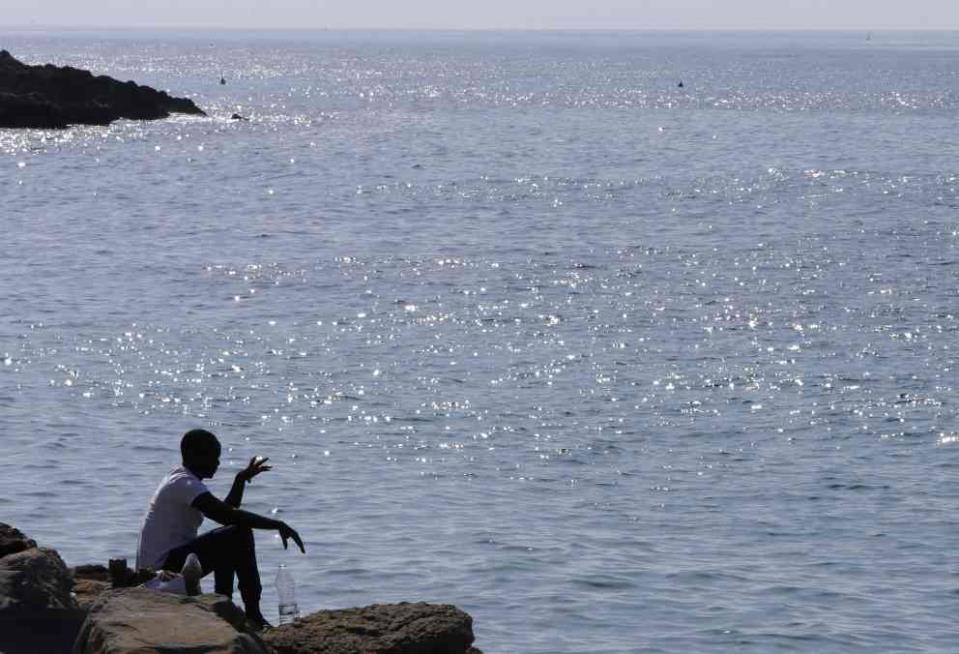
“The differentiation is important to acknowledge; we are not dealing with a case of deception (as per the trafficking protocol)... asylum seekers board these boats under desperate conditions and because they see no alternative.
“That is not to suggest that smugglers are not profiting off their desperate circumstances - but simply to highlight their agency. Research has demonstrated quite clearly how the smuggling networks operate on the basis of 'demand and supply'.
“The increase in irregular migration is a direct consequence of the restrictions on regular migration and access to protection.
“If asylum seekers had an alternative way to reach safety and protection, they would take it - the solution to destroying the 'business model' is to provide a safer alternative. Countries in the Middle East, North Africa, and sub-Saharan Africa should not be expected to carry the responsibility of the refugee crisis on their own - the EUMS should stop the policy of containment and respect their international obligations.
“The onus on the securitisation of borders and the war on 'illegal migration' has failed, the system is imploding, and yet we see more of the same: this military approach is misguided, irresponsible, and inhumane,” Dr Pisani said.
UNHCR supports holistic approach, says realistic alternative channels for migrants to reach safety needed
UNHCR Malta said that in general it supports the holistic approach adopted by the European Union, which identifies need for coordinated action in a range of policy areas.
“UNHCR recognises that there is a need to increase international efforts towards law enforcement against smugglers and traffickers along the route of such movements. But this needs to go hand-in hand with ensuring realistic alternative channels for people to reach safety.
“Without this element the fight against criminal networks will not succeed.
“Many of the men, women, and children risking their lives at sea in their attempts to find safety in Europe are fleeing war, conflict and persecution. UNHCR’s concern is about protection of refugees and asylum-seekers, about their access to safety, their proper treatment and finding a solution to their plight.
“International law prescribes an important distinction between smugglers and traffickers involved in criminal activities on the one hand - and the victims of smuggling and trafficking on the other.
“Any enforcement measures will obviously need to be in line with international human rights and refugee law – and take into account the safety of refugees , migrants and civilians in general.
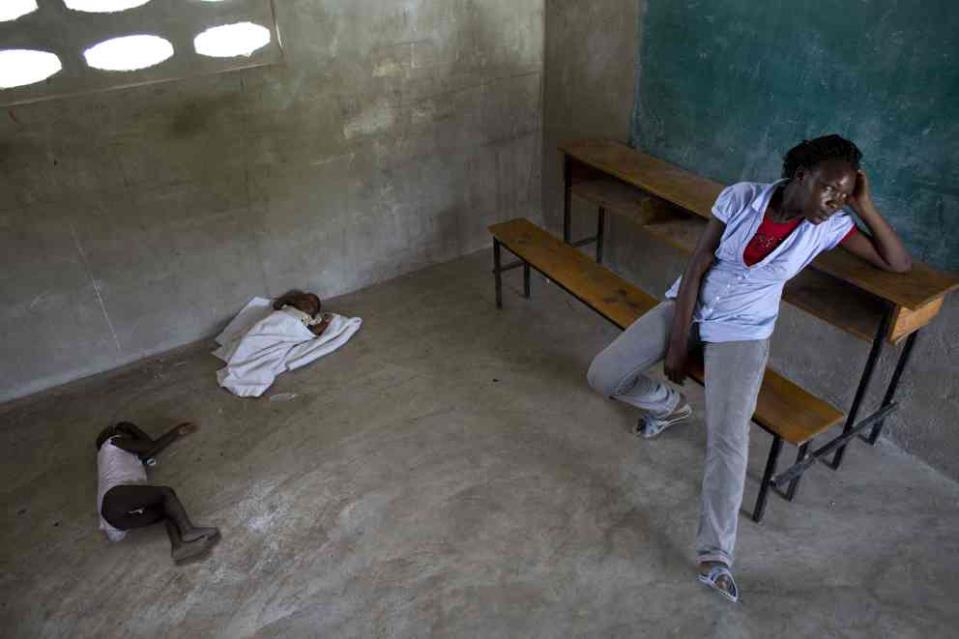
“The dramatic situation in the Mediterranean demands a collective and far-reaching response, based on principles of humanity, solidarity, and human rights. Saving lives has to be everyone’s priority – as a legal and moral responsibility based on fundamental human rights.
“Mass sea crossings are a symptom of mass desperation. But nobody should have to put their lives into the hands of smugglers. This means that we need to find alternative ways to help people fleeing conflict and persecution.
“This can only be achieved by addressing the root causes – conflict, insecurity, and displacement, improving conditions for refugees in hosting and transit countries and strengthening asylum and processing capacities – better reception facilities and systems for determining who is a refugee.”
“In pursuit of these broader goals, UNHCR said that it has developed a Central Mediterranean Sea Initiative (CMSI, link) which presents a concrete set of actions that will require increased collaboration and collective readiness to take bold decisions. As part of this initiative, UNHCR said it currently strengthening its support to the countries that are receiving the most arrivals at the moment.”
Commissioner for Children Helen D’Amato said that people who are fleeing persecution and strife have a fundamental right to seek asylum in another country. “This right is guaranteed by such international instruments as the Geneva Convention of 1951, and at EU level, by the Qualification Directive.
“The right to seek asylum should mean that access to this right should be facilitated not only if and when would-be beneficiaries of protection reach a country than can offer them protection but equally before they even set out to reach such country.
“This means that nations must cooperate to do two things: create safe, regular and accessible channels of migration so that people can access the right to seek asylum without risking their lives or being criminalised or confined if and when they reach their destination; and eliminate all unsafe and irregular channels of migration for asylum seekers,” she said.
The Children’s Commissioner also said that the navy operation just launched by the EU is intended to stop smugglers bringing migrants into the Mediterranean.
“It is true that the racket of smugglers exploiting the misery and despair of thousands of people has been the cause of many deaths in the Mediterranean. However, this operation should not put in jeopardy the lives of those it is meant to save from undertaking perilous journeys.
“At the same time, this operation can only make sense if there is a parallel drive to create safe, regular and accessible channels of migration for would-be asylum seekers, especially for those who are more vulnerable, like children.
“Even if the EU were successful in closing off all channels of irregular migration, it would not be saving the lives of those whose lives are already at risk from the persecution and strife they are facing in their countries of origin. These lives can be saved only if people are able to access their right to seek asylum in a safe and regular manner through channels that are accessible to all.”
SOS Malta CEO Claudia Taylor-East said that while agreeing to any action to stop human smugglers and traffickers, saving lives should be the objective.
SOS Malta also hopes that instead of resisting mobility Europe should organise it by opening legal channels for people to be able to come and look for work.
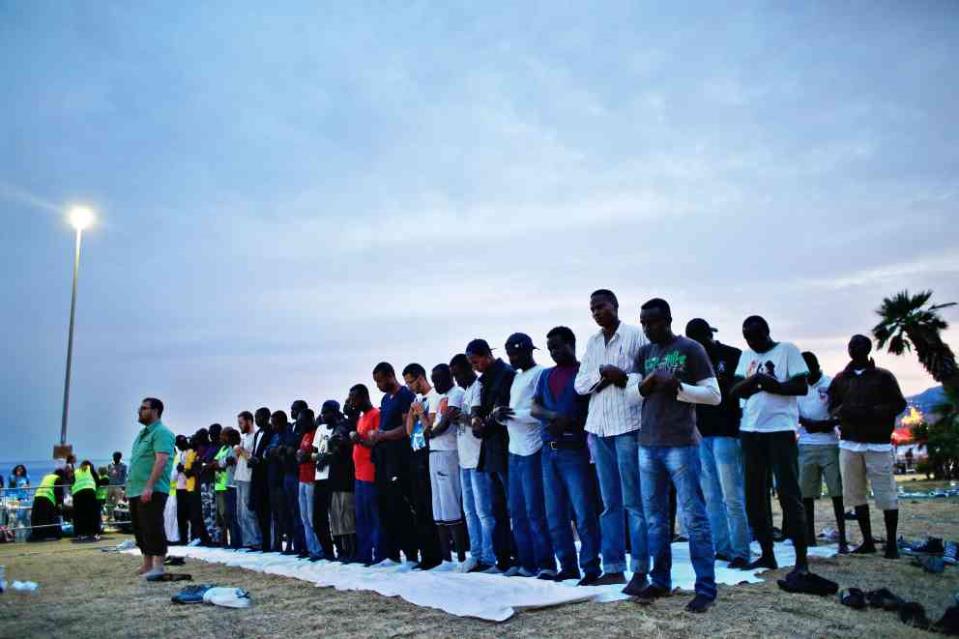
Aditus director Neil Falzon said that as has been stated in earlier statements made by Aditus on the EU's plans, including on the EU Agenda published some weeks ago, we do not think that these measures will do much to properly manage migration to Europe.
“While it is necessary to tackle the smuggling and trafficking networks, these measures raise several questions including relating to their security impact on persons on the ground in Libya. We also question the wisdom of engaging in such measures when Libya's responses have unequivocally disagreed with them.
“For us, what is more important is the need for the EU to tackle these networks by removing - or reducing - the reliance of migrants and refugees on the 'services' they offer. The EU needs to secure legal and safe access to Europe for migrants and refugees: refugees should not be required to resort to smugglers to reach safety.
“Our recommendations include extending family reunification to beneficiaries of subsidiary protection, exploring broader use of humanitarian visas.”
Ministry commends EU efforts to prevent loss of lives at sea
The Ministry commends the EU efforts to take the migration crises and the loss of lives at sea in the Southern Central Mediterranean very seriously.
On its part, Malta has not only contributed to the planning of this new EU operations but will be participating through military personnel in the Operational Headquarters in Rome.