The Business Breakfast, organised by The Malta Business Weekly, in collaboration with the Malta Gaming Authority (MGA) was held this morning.
In 2014, the Authority increased its resource infrastructure, mainly to strengthen its enforcement, compliance, player protection and legal functions. It also invested in ICT and business intelligence. For the upcoming three years, MGA aims to ensure high levels of integrity, efficiency, consumer protection and value in gaming products.
In 2003, Malta introduced the first regulated online gaming. The regulation was introduced as a by-product of financial services. Before 2003, the sector was unregulated. 13 years later, the sector accounts for 15% of Malta’s exports and 283 companies operate in Malta. Between 2013 and 2015 the gaming industry experienced a 19% growth, but the costs have also increased substantially.
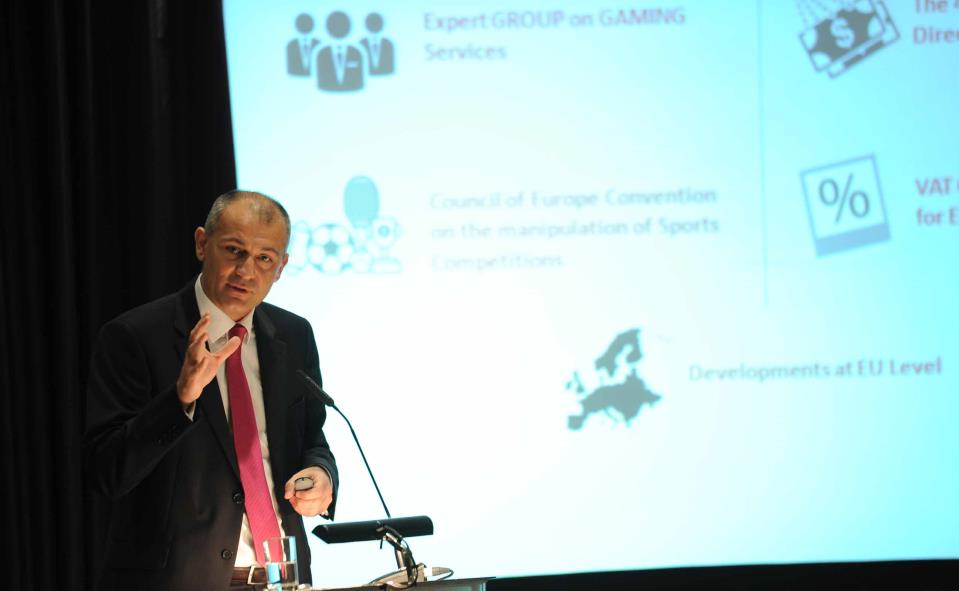
MGA’s Executive Chairman Joseph Cuschieri said that two thirds of the people who are employed in the gaming industry are foreigners, and there should be more incentives for young Maltese people to join the industry
An academy providing training in the gaming industry will be launched this year, and will be operational in two year – this will be promoted internationally. The government is working closely with MGA and a number of operators to ensure that the skills gap in Malta will be closed and to encourage more locals to join the gaming industry. A number of government initiatives will encourage more women to join the sector.
Mr Cuschieri said that as a regulator of the gaming sector, MGA ensures protection of consumers, and that the sector is crime-free. He said that because technology, consumer demands and the regulation environment in Europe is changing, legislation needs to be updated. MGA are working on the new legislative framework, which is expected to be tabled in parliament next year.
The authority is also investing in training and development and exploring possibilities of collaborating with other regulators. This will facilitate procedures for local operators wanting to expand abroad. He added that economic growth, quality and innovation should remain priorities.
Within the European Framework, gaming is not a harmonised sector. An operator who is licenced in Malta for example, can’t offer his service automatically in other countries. Operators therefore have to deal with different regulations and technical standards- this creates complexity and additional costs. However Mr Cuschieri said that this does not make the gaming industry in Malta any less successful. Gaming operators now pay VAT in all countries they operate in, and not just where they are located.
In September of this year, MGA will move to Smart City.
“We’ve got the skills and the experience. Although Malta is small in size, it is a giant in the gaming sector.” he said. Malta is also more cost efficient than other countries for gaming operators.
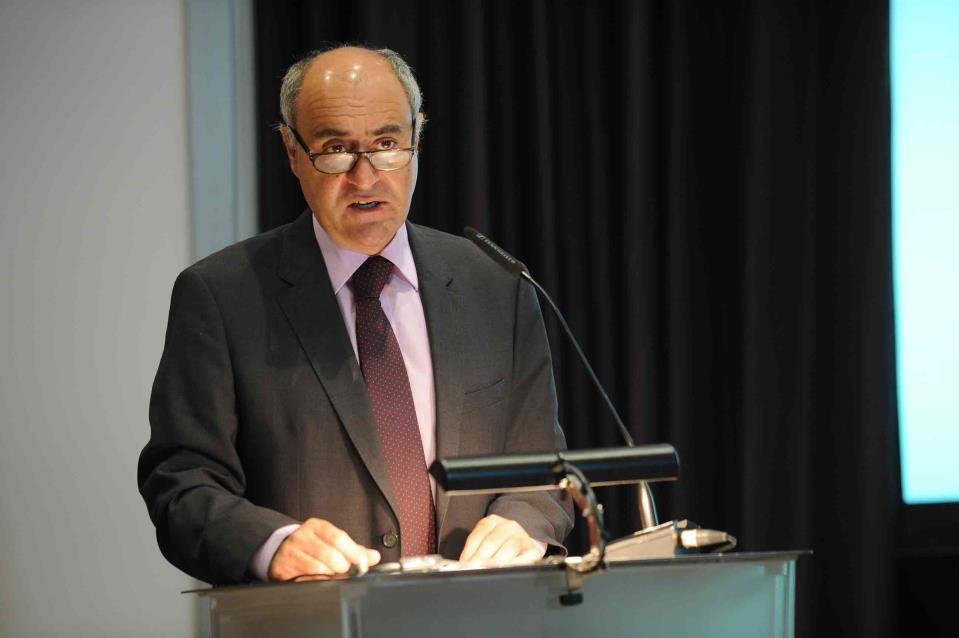
Parliamentary Secretary Jose Herrera said that gaming operators are also successfully using their corporate social responsibility marketing skills by working with communities and youth NGOs.
He said that the gaming authority employed a good number of qualified people, without political intervention. He said that in this industry, efficiency is crucial.
The gaming industry is contributing highly to the economic growth – with a percentage larger than 10%. The number of licences published in 2014 reached 186.
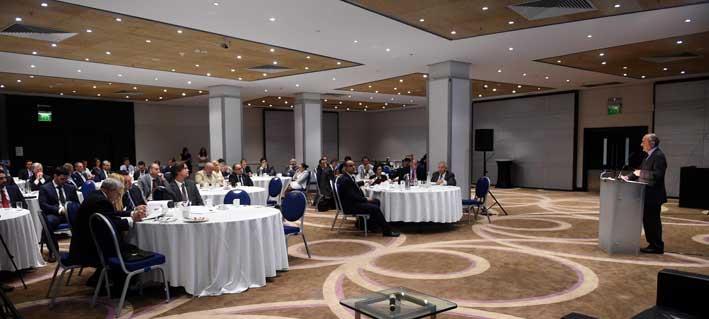
Mr Herrera stressed the need of updating the regulatory legislation, noting that some of the legislation dates back to the time of the order.
The Parliamentary Secretary announced that the authority has already approved an application from Crystal Cruiser to stay overnight and operate their casinos. This initiative was announced earlier this year.
Mr Herrera said that a free movement of goods is sacrosanct. However, when it comes to services, particularly those to do with taxation, more complications arise.
The government participates in a number of international forums to take up proposals and ideas to better benefit the industry.
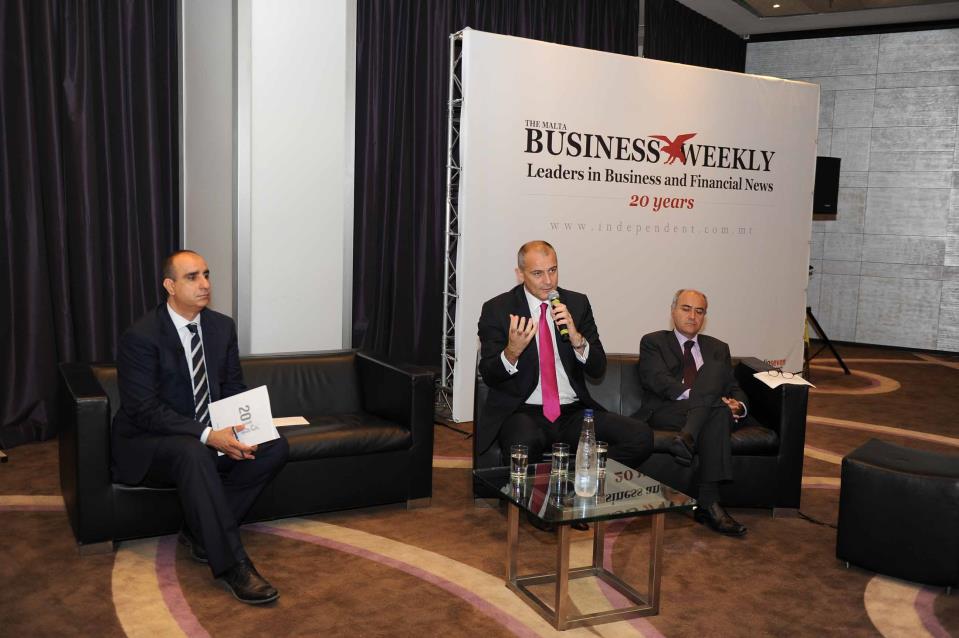
During the question and answer session,Mr Cuschieri explained that Maltco has three major games – Super 5, The Lotto and The National Lottery. However because mobile networks and devices have become more efficient, consumers are moving towards that trend. He said that the younger generation no longer visit lotto booths to buy tickets, and therefore Maltco needs to abide to the technological changes.
One participant claimed that the banking industry perceives the gaming industry as a risky business and therefore need more clarifications from the authority. He said that at times, banks also stop transaction of payments to gaming operators. Mr Cuschieri admitted that more consultation with banks to ensure that any shortcomings are sorted out.
Opposition MP Kristy Debono questioned what the government’s vision for the gaming industry is to which Mr Herrera replied that restructuring the gaming authority is a priority. He also said the government discussing the regulatory framework and planning initiatives for local operators to tap into foreign markets.
He said that the authorities are continuing where the Nationalist administration has left off and that the two parties collaborate well when it comes to the gaming industry.
The Business Breakfast is being supported by Finbank and Hilton Malta.
Photos: James Bianchi
Video: Matthew Aguis