Maltese MEP Roberta Metsola said that Smuggling and trafficking in human beings often leads to sexual exploitation, labour exploitation and forced begging.
She was delivering a speech during a Civil Liberties, Justice and Home Affairs Committee Meeting in the European Parliament today.
She emphasised the importance of tackling the issue. “Organised criminal networks have to be tracked where they operate, inside and outside the EU. We need effective cooperation for law enforcement and prosecution”.
“There is also a need for increased support to strengthen Europol's capacities to track down human traffickers”.
She was speaking just hours before Prime Ministers from across the EU meet to discuss migration in the European Council Summit. Recent developments regarding Greece talks, however, could put this discussion in jeopardy.
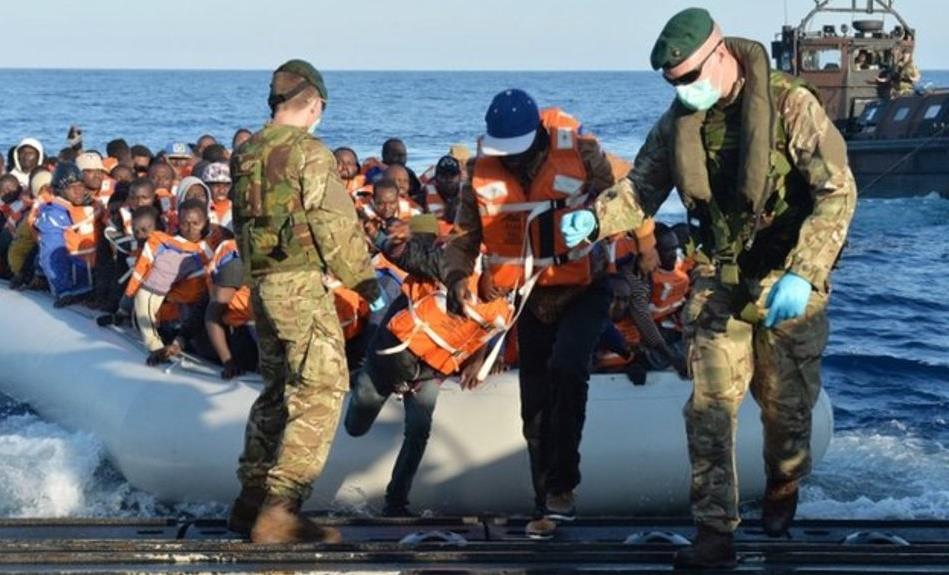
“The links between people smuggling networks and other forms of organised crime are also of concern. We know that these networks rarely operate alone or in one sphere of criminal enterprise, so there improved intelligence sharing and cross-checking of relevant information to tackle organised crime is also necessary”.
The launching of the first phase of an EU military operation to tackle these networks is one step, but any operation must ensure that the lives of migrants are never put at risk and the principle of non-refoulment must always be respected, she explained.
However, “this cannot be the be all and end all of unanimous EU action on migration”.
If agreement is found on military action against smugglers, Member States must also have the political courage to agree on concrete, equitable solidarity mechanisms and the fair sharing of responsibility, she explained. She also urged EU members to look at every option to give those in need of protection a future without them having to fall into the hands of criminal networks.
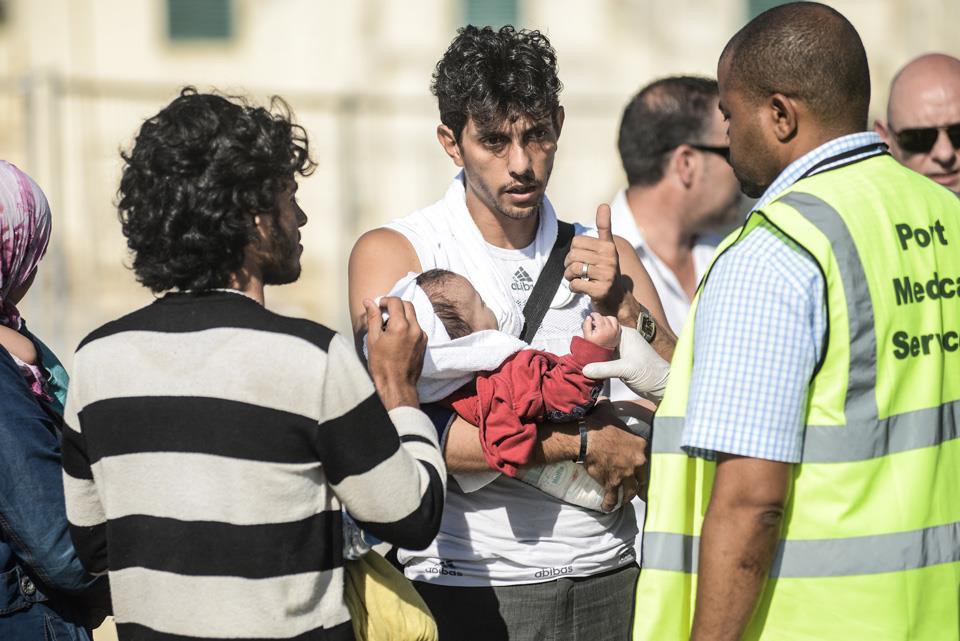
“Irregular migrant workers who make it to Europe are especially vulnerable to exploitation and abuse because the threat of apprehension and deportation usually means exposure to dangerous working conditions”.
“As a first step we should put pressure on every Member State to ratify all the relevant ILO conventions that could help protect people”.
She called for states to step up their enforcement and prosecution of those who exploit migrants in whichever field, without creating systems that prevent the reporting of abuse by the migrants themselves.
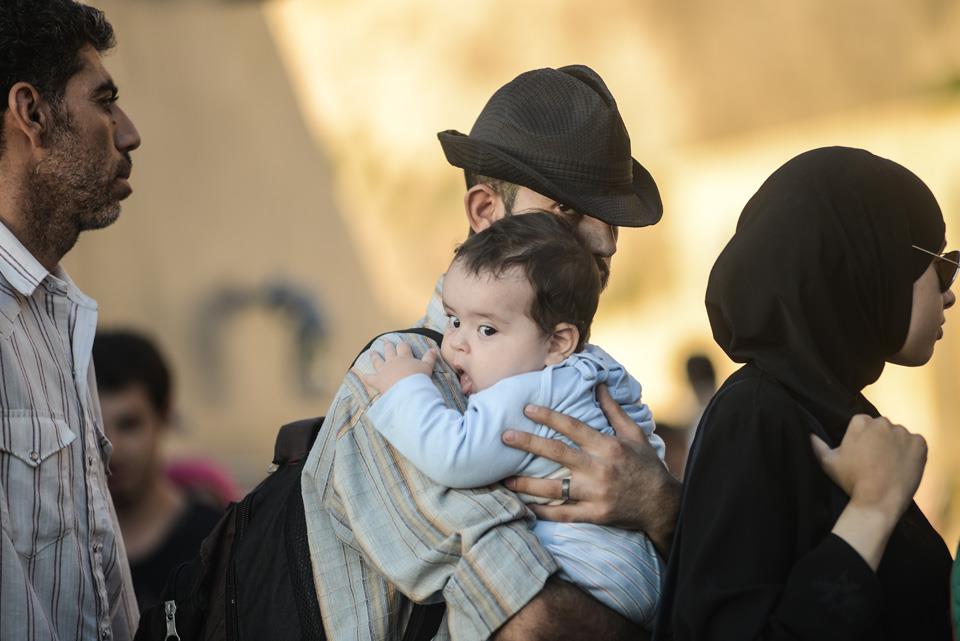
“This is not only a job for law enforcement but civil society and unions in particular must also play their part. As regards adequate legal migration channels, we need to move beyond fortress Europe and look at the effectiveness of EU instruments such as the EU Blue Card which can help with skill shortages. But we need to address its shortcomings and understand why the vast majority of blue-card holders are in one Member State only”.
The MEP argued that Fortress Europe is not an answer, “but neither is abandoning our external border controls”.
“We need Frontex to be given the resources it needs to function but this cannot be at the expense of our humanitarian obligations to save lives. We need a binary approach that allows for both aspects to be given the importance and resources that they need”.