The Nationalist Party this evening called for the withdrawal and annulment of Legal Notice 153, which establishes the Local Enforcement System as an agency, insisting that it was not consulted and that it would deal a deadly blow to the autonomy thus far enjoyed by the LES.
The motion, signed by PN MPs David Agius, Jason Azzopardi and Mario de Marco, calls on the government to withdraw the Legal Notice an draft a new one in consultation with all stakeholders. It says that the Legal Notice adds a new layer of bureaucracy and is led by a government-appointed CEO, who was also appointed without consultation. It was also working against the spirit of the decentralization of power and was effectively transferring much of the power to the minister.
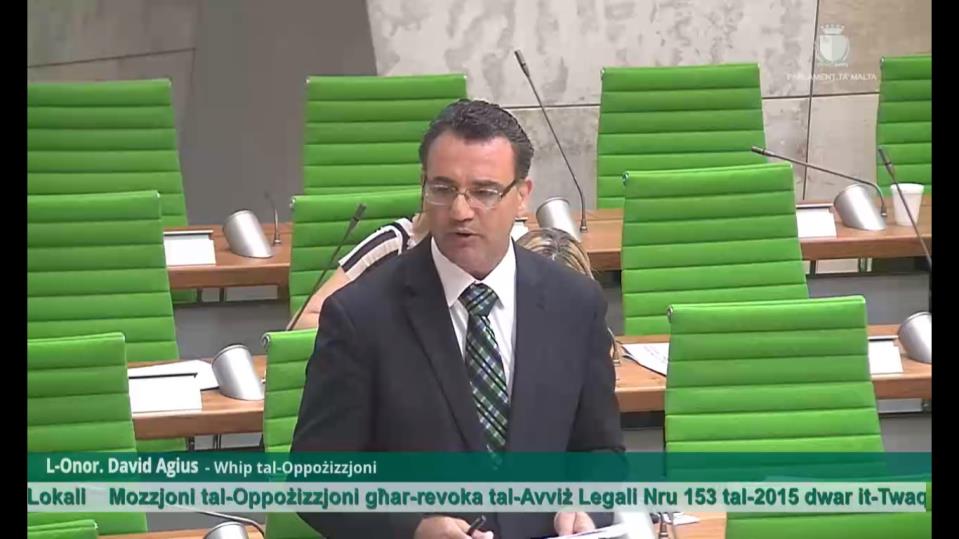
Taking the floor, Mr Agius said the legal notice would destroy what was achieved in the past few years in the Local Council sector. “It will deal the final blow to the autonomy of the local enforcement system.”
The PN was consulted when the sector fell under the responsibility of Parliamentary Secretary Jose Herrera but things changed following a cabinet reshuffle. The concept of subsidiarity was being destroyed after the government decided to turn the LES into a government agency led by a government-appointed person without any form of consultation. The PN told the government that the head of the agency should be someone endorsed by both sides of the house but this proposal was not taken on board. The had also asked for a schedule indicating how wardens would be dispatched around Malta and Gozo, seeing that they will all fall under the responsibility of the head – former Acting Police Commissioner Ray Zammit.
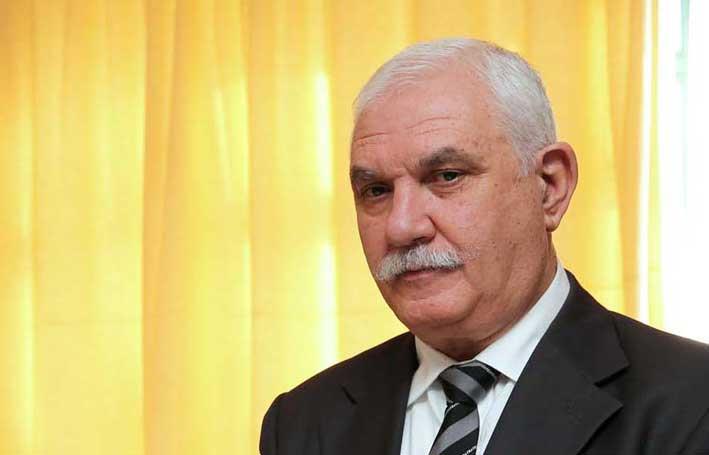
The consultative board would also be appointed by the government, Mr Agius said. The government had spoken about destroying the local enforcement racket but the racket was still there, he insisted. The PM had claimed that much of the money was going to two companies but would this change with the present system? It is clear that wardens will still be employed by the same private companies whom the Prime Minister had accused of being at the centre of a racket. How can people trust the government on this issue when even the choice of executive officer is a controversial one?
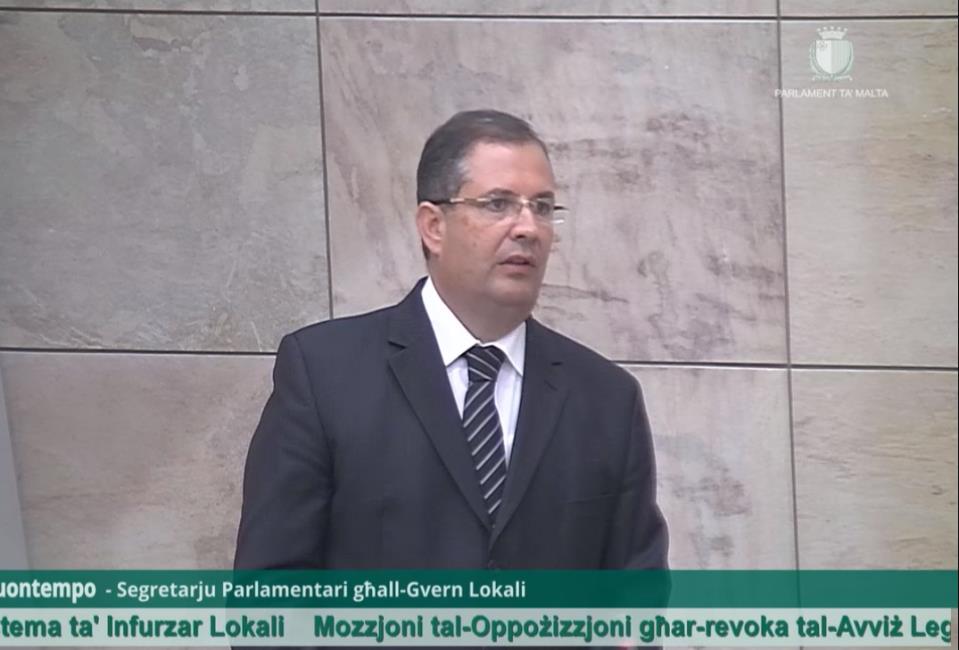
Parliamentary Secretary Stefan Buontempo said the Opposition had come forward with its proposals more than a month and a half late after the consultation period closed in April 2014 but the government had still accepted them. Many stakeholders were also consulted, he said.
In June, he met David Agius who said the PN wanted to introduce five changes to the law. It wanted the consultative board to be made up of presidents of the regions and members of the Local Councils Association. A compromise was found.
The PN also wanted the yearly financial administrative report to be tabled in Parliament every year and uniformity in local enforcement around the country. It also wanted the agency to be accountable and transparent. The government, Mr Buontempo said, accepted four of the PN’s five proposals. It disagreed, however, on the fifth, that the CEO should be appointed in consultation with the government. The government had disagreed in principle because it was an established practice that persons in charge of government entities are appointed by the minister responsible for that sector. In the past, the PN had also appointed many executive officers and department heads without consulting the Opposition.
Mr Buontempo said the government had shown that it was open to suggestions by the Opposition. Unfortunately, the wording of the PN motion did not augur well for this bi-partisan agreement. The government had accepted 80% of the Opposition’s proposals but the latter had still refused to withdraw its motion.
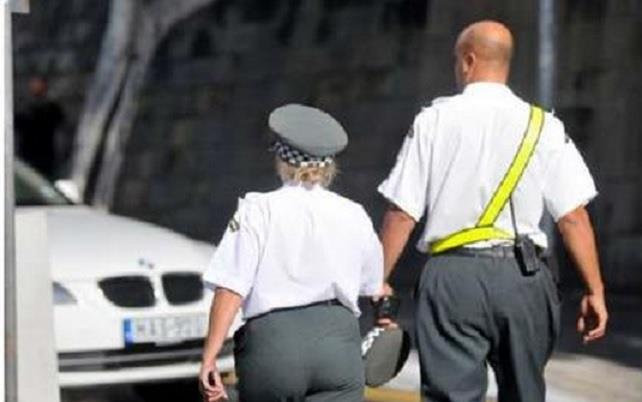
He also refused the PN’s claim that the Legal Notice would deal the final blow to the autonomy of the local enforcement system. The Maltese public, for a number of reasons, had not accepted local wardens. This was mostly attributed to bad practices in the sector. The LES reform would change this, he said. Service would improve and local councils would no longer seek to dish out more tickets to obtain more funds. The agency would also work on recuperating the moneys owed to local councils. Local Enforcement services were also being provided on a new website.
The agency would buy the service of wardens from private companies at a fixed price and following the rules of procurement. There would also be a quality assurance system to ensure that everything was done according to standards. The roles of wardens would change radically. They will no longer be there just to dish out fines but also to serve as educators.
Closing the debate, David Agius said he was pleased that the government had taken some of the Opposition’s proposals on board and would be moving a new Legal Notice amending the original one. One of the amendments states that “Local enforcement will be provided in all localities unless the agency provides otherwise.” This was wrong, Mr Agius said. “What happens if the agency decides not to send wardens to Zebbug or Zejtun? You will face pressure and this will be problematic in the future.” Mr Agius also suggested that the clause could lead to discrimination among localities.
He again called on the Minister and the Parliamentary Secretary not to be hard headed and to find a CEO that enjoyed trust from both sides of the house.