Kidney failure, cardiac problems and hallucinations are some of the effects users of legal highs have experienced in Malta.
The so-called legal highs have caused a shift in Europe’s drug market, with the United Nations reporting 348 new legal highs discovered in 2014. Because of the way the drugs are promoted, young people and adults alike are still unaware of how extensive effects on the body may be. Authorities in the United Kingdom have now presented a psychoactive substance bill, which has led to widespread controversy because it might outlaw commonly used compounds in other items.
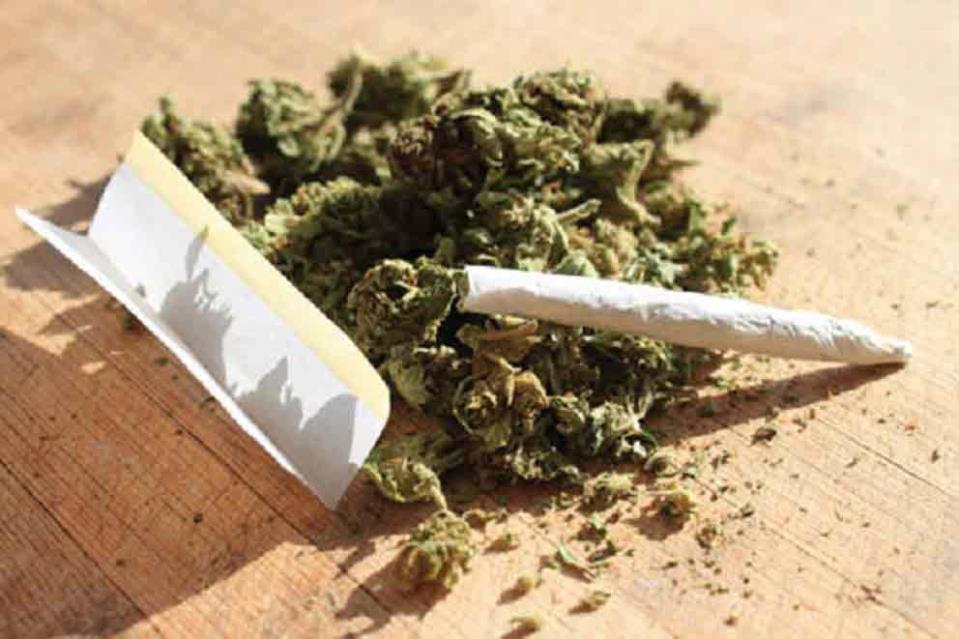
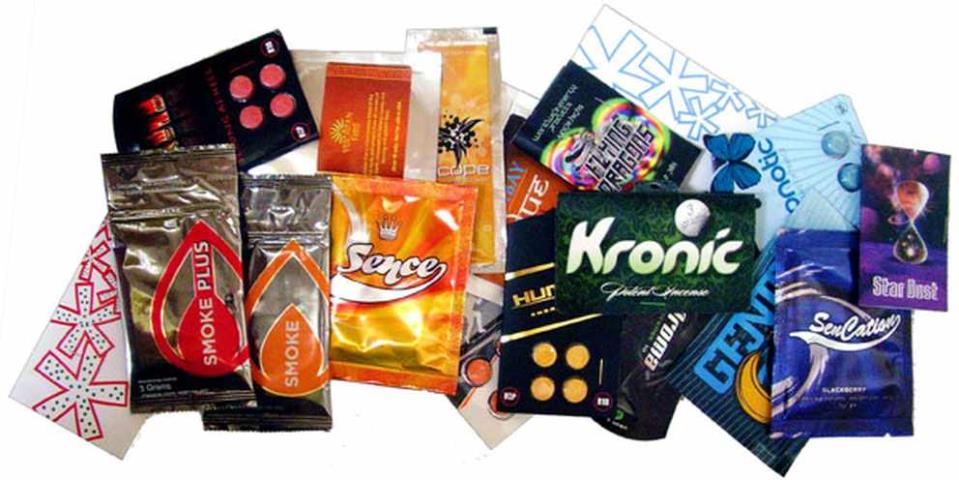
Legal highs contain chemical substances which produce similar effects to illegal drugs, such as cocaine, cannabis or ecstasy. Legal highs can be separated into two main groups –synthetic cannabis and bath salts. The former is meant to act as cannabis, going through the same parts of the brain that would be affected by cannabis smoking. The latter are stimulants which mimic drugs such as cocaine.
“The rates of legal highs abuse are almost impossible to speculate. Up until a few weeks ago the substances were untraceable, and it is only recently that advances were made that they can be traced. Unfortunately this younger audience has the perception that with a title like “legal highs” these substances might be safer or even harmless; which is not the case,” a spokesperson for Caritas told The Malta Independent.
The World Drug Report 2015 showed that while the use of opiates (heroin and opium) has remained stable at the global level and cocaine use has declined overall, the use of cannabis and legal highs have increased.
Effects on the body
The major effects of legal highs can be categorised into three categories – stimulants, sedatives and psychedelics. Stimulants act like speed, cocaine or ecstasy, making one feel energised and euphoric, while increasing the risk of paranoia, anxiety and panic.
Sedatives, makes one feel euphoric, relaxed or sleepy. They reduce inhibitions and concentration, making one physically unsteady. Sedatives can be dangerous particularly when mixed with alcohol and other drugs, which might cause unconsciousness.
Psychedelic legal highs act like LSD and magic mushrooms, inducing feeling of warmth and enlightenment. They make one feel detached from the world. These drugs because strong hallucinatory reactions and their effects make on behave erratically and put oneself at risk.
Malta
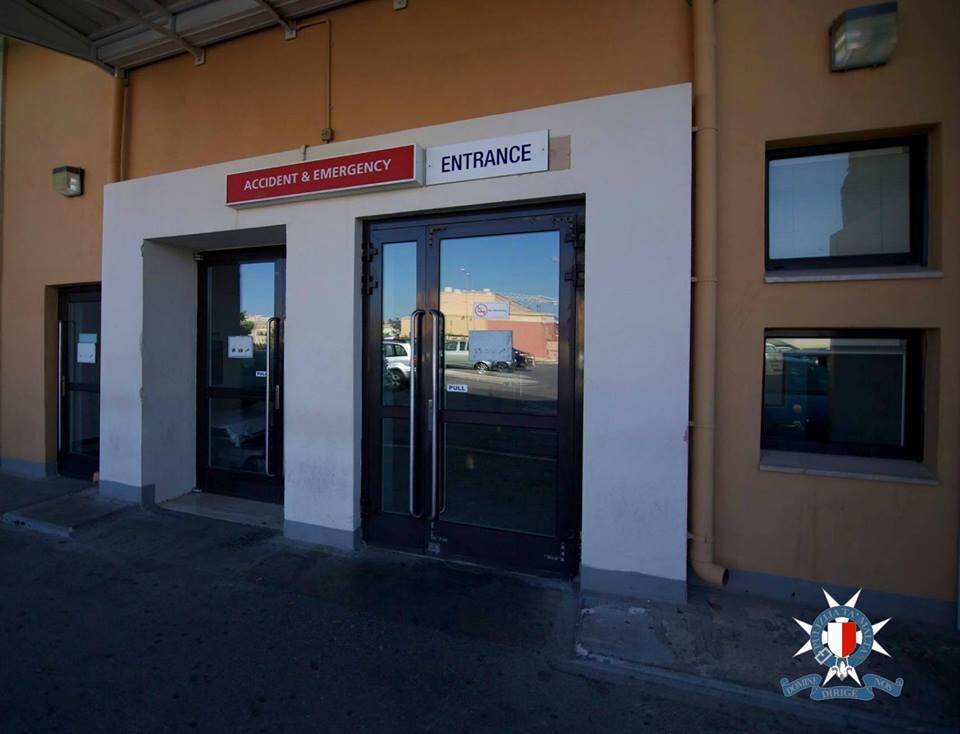
In Malta, users of legal highs have experienced kidney failure, liver failure, cardiac problems, paranoia and hallucinations. Violent behaviour was also a result of excessive use.
Caritas explained that although such effects are associated with use of the drugs, researchers are still learning about the extensiveness of effects, given the components used are continuously being changed to avoid law enforcement.
Because the substance is volatile, the danger associated with such drugs is being reported as being more extensive than with traditional drugs. It is calculated that two new legal highs are discovered each week.
In the United Kingdom, research from the Centre for Social Justice in the shows that there were 97 recorded deaths from legal highs in the in 2012, rising from 12 in 2009. In Malta, no deaths have yet been reported.
Legislation
In the United Kingdom, the Psychoactive Substances Bill poses a ban on legal highs and sellers can face up to seven years in prison. The bill will make it an offence to produce, supply, offer to supply, possess with intent to supply, import or export psychoactive substances.
It will also give power to officials to stop and search persons, vehicles and vessels, enter and search premises in accordance with a warrant, and to seize and destroy such substances. This ‘blanket ban’ faced some controversy, with some arguing that it could restrict chemicals that would be important for other items such as alcohol, tobacco and coffee.
In Ireland, the bill to ban legal highs was introduced in 2010. Since then, police have reported that 102 shops which sold legal highs and other drug gear have virtually disappeared.
In Malta, there is no legislation that deals specifically with legal highs; however Caritas insists that the issue needs to be addressed.
“Parents should be educated about legal highs and traditional highs. Research shows that those educated about the dangers of drugs by their parents are less likely to resort to drugs,” Caritas said.