There is an old saying that if you give a person a fish, you feed them for a day; but if you teach them how to fish, you feed them for a lifetime. It is a simple thought, but a powerful one. For me, it captures the real value of education: giving people the tools, confidence, and practical skills they need to shape their own future.
This is why Education is one of the key pillars of the BOV Foundation. Through this pillar, we support initiatives that encourage learning, personal growth, and wider participation in society. Education is not something that begins and ends at school. It is a lifelong journey, particularly today, when technology, digital transformation, and changing economic realities are reshaping the way we live, work, communicate, and manage our daily lives.
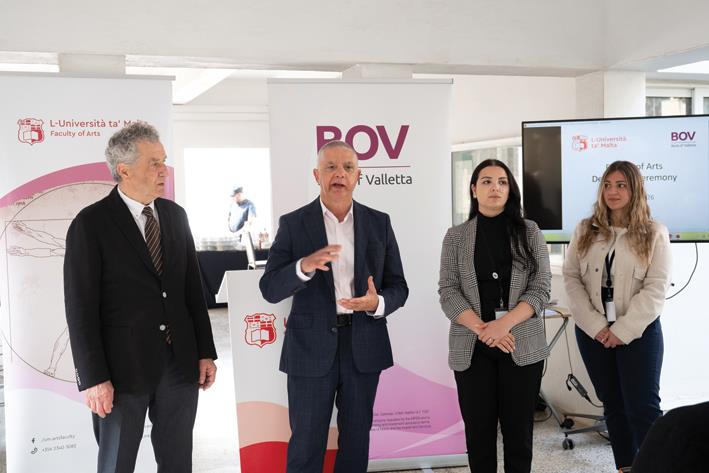
Within this wider context, financial literacy has become one of the most important life skills we can help people develop. Knowing how to save, budget, plan ahead, recognise risks, and make informed choices can make a real difference to a person's wellbeing and resilience. Financial literacy is not only about understanding numbers. It is about helping people feel more confident and more in control of the decisions they make every day.
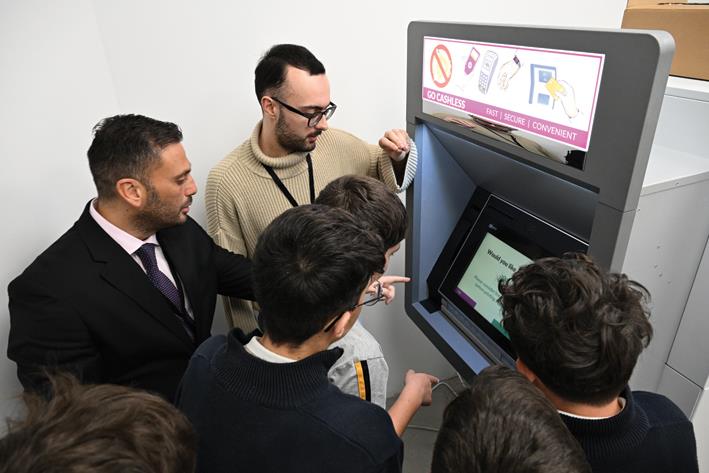
This work starts early. Through initiatives such as BOV's outreach during SkolaSajf, children are introduced to basic money concepts in a way that is simple, engaging, and age-appropriate. Talking to children about saving, spending, budgeting, and making choices may seem basic, but these are the first building blocks of responsible financial behaviour. The earlier these conversations start, the more naturally they become part of everyday life.
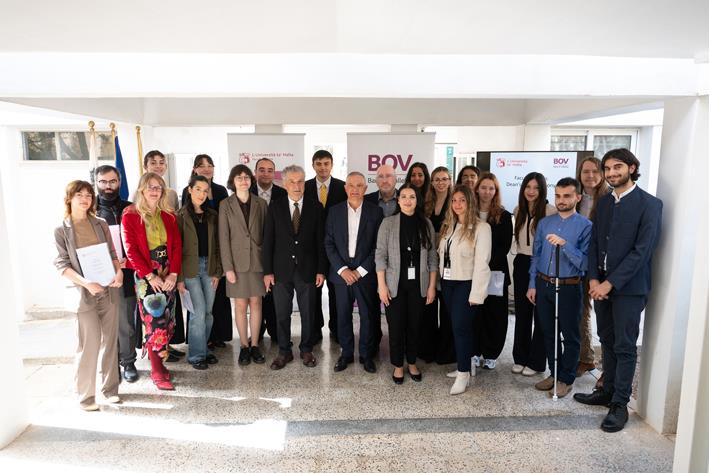
Of course, learning does not stop once formal education ends. Adults too are faced with important financial decisions, from managing household budgets and planning for home ownership, to preparing for retirement, using digital banking services, or protecting themselves from fraud. This is where community-based learning has a very practical value. When guidance is offered through local councils, schools, voluntary organisations, and community groups, it becomes more accessible, more relevant, and closer to people's own realities.
This may take the form of sessions on day-to-day budgeting, discussions on how to identify suspicious messages and scams, guidance on using digital channels safely, or conversations about planning ahead for major life events. What matters most is that these initiatives are practical. They need to speak to situations people recognise and provide guidance that they can apply in their everyday lives.
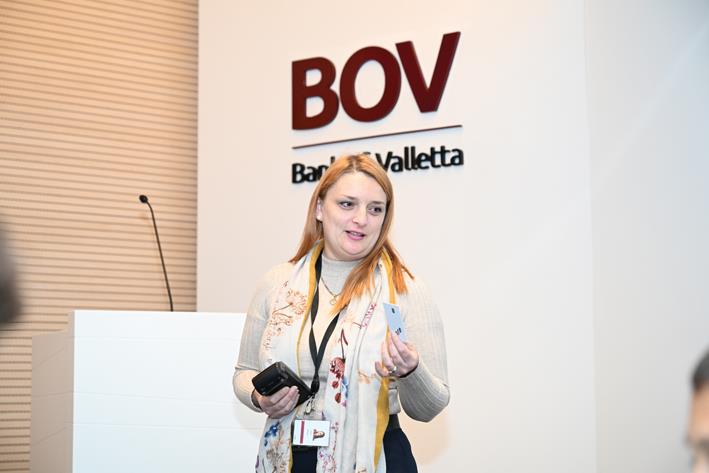
Education also supports inclusion and resilience. For some, a better understanding of financial matters can mean greater independence, particularly when they are supporting a family, rebuilding after a difficult personal situation, or planning their next step. Awareness of fraud and cyber risk is another important form of protection. As scams become more convincing, people need practical knowledge that helps them recognise warning signs, pause before acting, and ask for advice when something does not feel right.
None of this can be achieved by one organisation alone. Education works best when it is shared. Schools, employers, public institutions, media organisations, financial institutions, and voluntary groups all have a part to play. Through campaigns, community events, podcasts, digital resources, media features, and public discussions, we can take knowledge to wider audiences and present it in ways that are relevant, accessible, and useful.
A good example is the recent agreement entered into by the Bank and the Commission on Gender-Based Violence and Domestic Violence and the Local Government division, aimed at using financial literacy to support financial independence. The partnership promotes economic empowerment and practical safeguarding skills as an important part of wider domestic violence prevention strategies, recognising that financial knowledge can play a meaningful role in helping people build independence, confidence, and safer futures.
It is encouraging that these efforts have also been recognised externally. Recent recognition for Bank of Valletta's contribution to advancing financial education and capability is welcome, but the real measure of success is found in the people reached. A child who understands why saving matters, an adult who feels more confident making a financial decision, or a person who avoids a scam because they recognised the signs - these are the outcomes that truly matter.
Looking ahead, education will only become more important. New technologies, changing workplace needs, and evolving social realities will continue to create both opportunities and challenges. Helping people build the knowledge and skills to navigate these changes must remain a shared priority.
For the BOV Foundation, Education is ultimately about empowerment. It is about supporting children as they develop essential life skills, helping adults make informed choices, and contributing to stronger, more resilient communities through knowledge and understanding.
This fifth and final instalment in our series on the pillars of the BOV Foundation brings us back to a simple but important point: lasting impact is built by investing in people. Whether through the arts, social inclusion, environmental responsibility, ethical conduct in sport, or education, the Foundation's work is guided by the same belief. When we support people and communities in meaningful ways, we help create a stronger, more inclusive, and more resilient future for all.
Bank of Valletta p.l.c. is a public limited company regulated by the MFSA and is licensed to carry out the business of banking and investment services in terms of the Banking Act (Cap. 371 of the Laws of Malta) and the Investment Services Act (Cap. 370 of the Laws of Malta).