A number of NGOs have come up with a number of recommendations on Malta’s role in EU-wide solidarity measures on migration. The NGOs said that the invitation to government to “engage with us remains open”.
The NGOs are Aditus Foundation, African Media Association Malta, Foundation for Shelter and Support of Migrants, Integra Foundation, International Association for Refugees, Jesuit Refugee Service (Malta), Kopin, Malta Emigrants’ Commission, Migrant’s Network for Equality, Migrant Women Association Malta, Organisation for Friendship in Diversity, Peace Lab, People for Change Foundation, and SOS Malta.
In a statement, the NGOs wrote that in recent weeks have seen unprecedented numbers of migrants and refugees seeking to enter the European Union, largely through its southern and eastern Member States.
Dramatic pictures of the situation at these points of entry are evidence of the political instability and human rights violations pushing people to leave their homes, and of the dangers they face throughout their journeys. These are clearly trying times for the European Union and its Member States, when the values and principles we hold so dearly need to stand strong in the face of rising populism, racism and xenophobia.
The on-going negotiations within the European Council are struggling to find those solutions that will translate values and principles into the actions required to ensure full respect for fundamental human rights, including the right to asylum as firmly enshrined in Article 18 of the Charter of Fundamental Rights of the European Union.
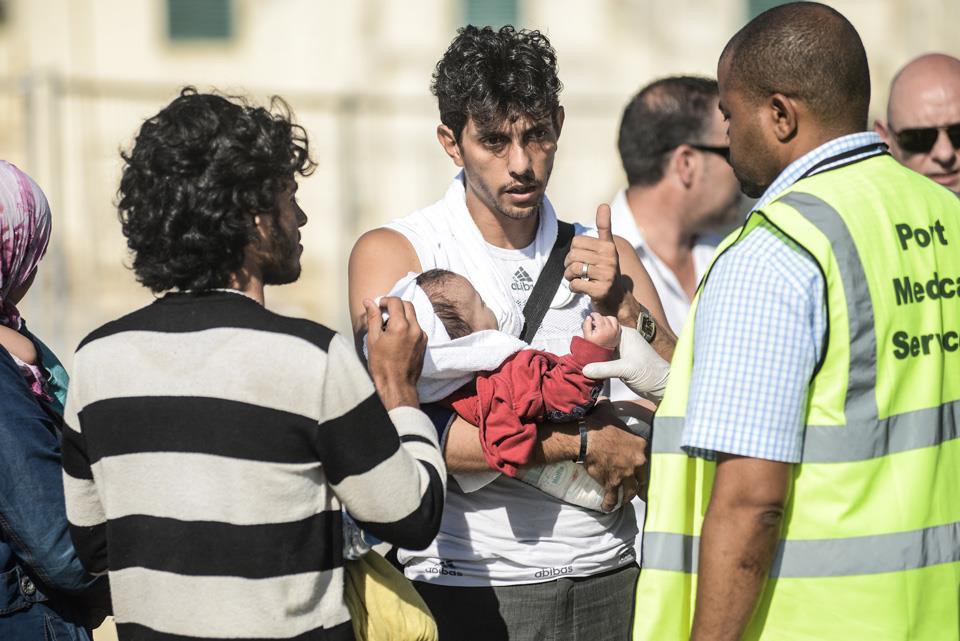
Malta is also called upon to actively participate in these discussions in order to express its true solidarity with those Member States that seem to be unable to cope with the strains presented by the arrival of so many migrants and refugees.
The under-signed 14 non-governmental organisations working with and for migrants asylum-seekers and refugees would like to take this opportunity to offer suggestions as to how Malta can express and practice such solidarity. At the heart of ourrecommendations is the belief that solidarity should not be exclusively based on mechanisms beneficial to Member States, but that it ought to be primarily concerned with upholding the fundamental human rights of those persons facing intense hardships and violations.
Importantly, we stress our understanding that solidarity cannot happen if kept limited to words of sympathy or grief. The transition from words to action remains the Europe Union’s key challenge, and we urge Malta to be a catalyst of such transition and to refrain from widening the gap between sentiment and tangible support.
Accept more refugees than the minimum allocated to Malta
Solidarity requires actions that go beyond the call of duty by voluntarily offering support at times of difficulty. We appreciate Malta’s declarations that it will readily accept the number of refugees that will be assigned to it during the Council negotiations. Yet we also believe that Malta can do more than the bare minimum.
Given the drastic reduction in boat arrivals to Malta, and the on-going United States resettlement programme, many of the closed and open reception centres are emptying whilst some are being closed.
We do not underestimate the challenges Malta continues to face in offering a dignified life to migrants and refugees currently living here. However, we urge Malta to appreciate the severe difficulties faced by refugees effectively stranded in Italy, Greece and Hungary and to therefore consider relocating a number of persons larger than that allocated. This will not only directly benefit the relocated persons, but will further highlight Malta’s willingness to participate in solidarity mechanisms with
those Member States in need of them.
We firmly believe that all measures reducing the supply of human cargo will contribute towards eliminating smuggling networks. At Europe’s doorstep, witnessing hundreds of deaths each year, Malta is best placed to underline the importance of offering migrants and refugees safe and legal routes to Europe. Very concretely, Malta can review its family reunification policies in order to grant access to Malta to family members who would otherwise be unable to ever reunite with their loved ones.
Malta should extend family reunification to beneficiaries of subsidiary protection and may also adopt a broader definition of the term ‘family member’ to not only refer to spouses and dependent children but to also include other persons such as dependant adults, unmarried partners, adult children, elderly relatives, etc.
Wider family reunification opportunities would definitely reduce the incentive for family members – often wives and children – to embark on perilous and illegal journeys. The stability if offers would support integration efforts and, ultimately, it brings joy to lives that would otherwise be tormented by anxiety, stress and misery.
It is envisaged that the coming months will see refugees being relocated to Malta from Italy, Hungary and/or Greece. We are eagerly looking forward to details as to how these refugees will be received and processed. We reiterate our earlier concerns regarding the severe living conditions in most open reception centres as well as the obstacles faced by migrants and refugees when attempting to access mainstream services. We must also highlight the exacerbated circumstances of vulnerable persons such as single heads of households, victims of physical or psychological violence,
persons with disabilities, traumatised persons and unaccompanied children.
In this regard, we also welcome declarations of support publicly expressed by various Local Councils.
It is encouraging to see various community leaders deciding to engage with refugees and migrants. Yet we also stress that such measures ought to be designed and implemented within sound, sustainable and fair frameworks that ensure compliance with legal standards as well as respect for human dignity.
With such enthusiasm to support Syrian refugees, Local Councils might want to direct their attention to those refugees – Syrian or otherwise – already living within theirlocalities and probably facing a wide range of challenges: making friends, findingjobs, bank account procedures, applying for Tal-Linja cards, locating the LocalCouncil offices, attending social activities, etc.
Alternatively, Local Councils could open their localities to refugees stranded in the open reception centres in Ħal Far – at times for years.
Essentially, it is imperative that solidarity discourse and measures – including those at the local and individual levels – are not limited to a specific group of refugees, but acknowledge the existence, efforts and difficulties of the other migrant and refugee communities in Malta.
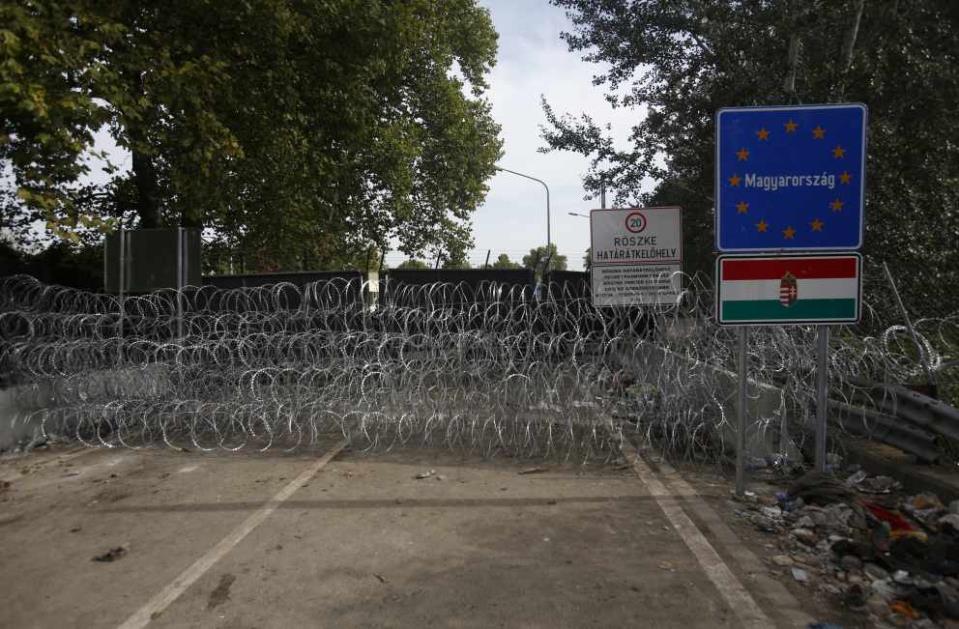
Walls blocking refugees from entering Europe are not only made of brick or wire.
They are words uttered by employers, insults typed on social media pages, vulgarities shouted on a bus. Years of widespread negative discourse have constructed orstrengthened those same barriers blocking access to safety and dignity.
Malta has also contributed to this demonising campaign, through decades of extensive use of criminalising policies and discourse. In recent weeks, despite being overwhelmed with images of desperation and death at Europe’s borders, Malta’s public discourse remains often negative, and at times downright racist and shameful.
Solidarity with refugees and migrants urges the Maltese Government and all Members of Parliament to embrace language that acknowledges their plight and respects their dignity. Words and actions expressing vulgarity, offence, violence and hatred should be clearly and collectively condemned. Anything short of this amounts to complicity in that discourse, and the strengthening of barriers to protection.
We regret that our efforts at engaging with the Maltese Government on these matters have been largely unsuccessful. The expertise and experiences we acquired in over 10 years working with migrants and refugees are valuable assets that we have repeatedly offered to the relevant authorities. We more readily enjoy the trust of migrants and refugees, enabling a more effective provision of valuable services and ensuring an approach that respects and enhances their human dignity.
In this spirit, we underline that disagreements on matters of policy or practice should not prevent dialogue, cooperation and mutual trust between government and civil society organisations.
Within the context of solidarity measures, but also of broader migration management, we will continue to support whoever needs our interventions and we will reiterate the fundamental human rights standards Malta should observe.