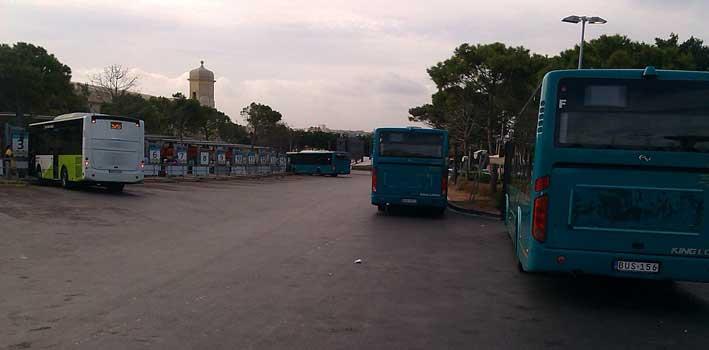
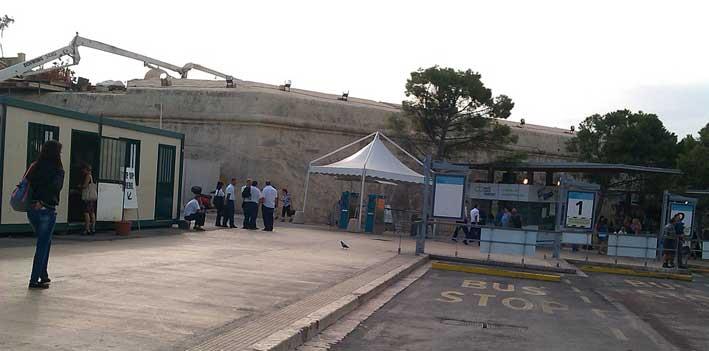
Bus drivers met in Floriana and walked to Valletta in protest as their one-day srike began this morning.
Negotiations between the General Workers Union and Malta Public Transport failed in spite of the mediation of Minister Joe Mizzi.
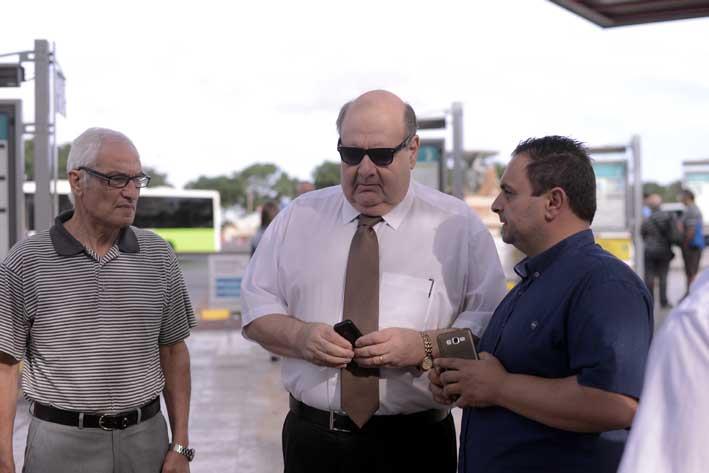
Addressing drivers at the terminus in Valletta, GWU secretary general Tony Zarb said that the union had received reports that workers had been threatened. "We will not accept this situation," he said. If the MPT persists in such attempts, the crisis will take longer to resolve.
"We are fighting for workers to enjoy a decent break. We cannot accept that after six hours of work drivers get only five minutes. That's not a break," Mr Zarb said.
"We are prepared to meet with the MPT to reach a solution, but we are also prepared to take further action is no agreement is reached. So far, the MPT is saying one thing and doing another."
Mr Zarb thanked the UHM for its support and warned the workers that it could be a long fight.

In its reply, MPT said the company regretted the inconvenience that such a short notice creates to the general public and, specifically, to those who depend on the public transport especially the more vulnerable segments of society such as the elderly and children. The general public must be given sufficient advance and adequate notice to make alternative arrangements. The company regretted the timing of the strike which will create even more inconvenience at such a sensitive time of the year which coincides with the reopening of schools.
The company has been over the past four months discussing the collective agreement with the General Workers Union. As a result of the new collective agreement, the general public will benefit from the implementation of the new routes as planned by the Government and from an overall improvement in the level of service that the Maltese and Gozitans deserve. Furthermore, the employees will benefit from improved conditions.
The new set of duty parameters which have been proposed by the company have indeed been accepted by the Union throughout the negotiations. The duty parameters are in line with all local and European labour laws and regulations. The company was even willing to start these duties for a trial period.
The union put forward a fresh proposal which constitutes a radical departure from the main parameters that had already been accepted during the negotiations. Moreover, the Union gave the Company an ultimatum to accept the new proposal or face a strike within 48 hours.
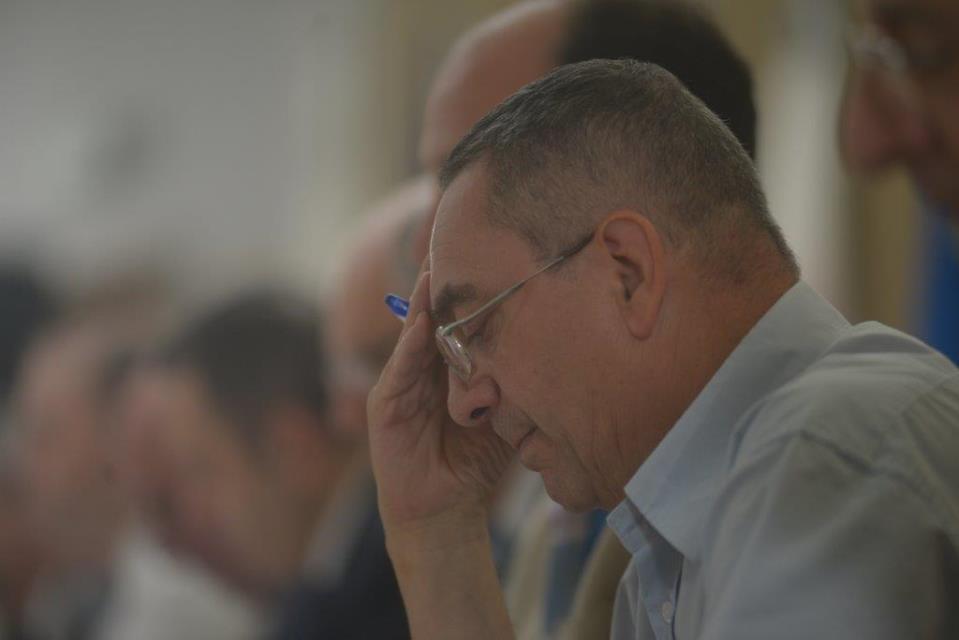
The Minister for Transport and Infrastructure, Joseph Mizzi, acted as mediator in a meeting between the company and the union yesterday, MPT said. During the meeting, the union requested a number of changes to be granted by the company with immediate effect. The company explained that it needed to review these proposals in detail to understand their implications. However, the union must also understand that one cannot do in 48 hours what has been done in 4 months, MPT said.
"We would also like to emphasise that today’s industrial action has to be carried out in line with legislation, meaning that at least fifty per cent of the service has to be given to the public," it added.
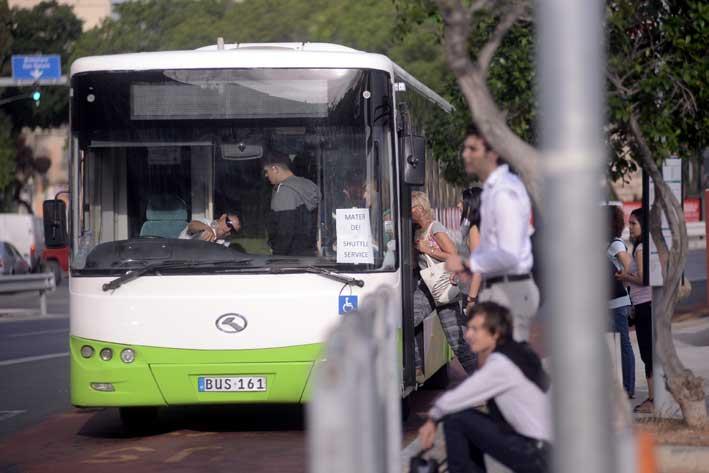
While employees have the right to follow their Union’s directives, the Company also has an obligation towards the public and law, and will therefore ensure that at least fifty per cent of the employees on duty will carry out the service as usual. The employees are also specifically bound to follow the instructions of the company in accordance with the law, the company said.
The company urged the union to call off the strike and to return to the negotiation table for the sake of the passengers, the general public and its employees.
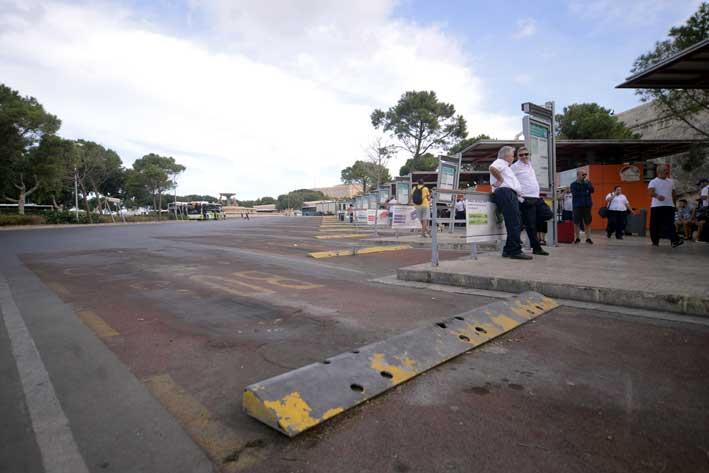
Only emergency services are being operated as per law. Some would-be passengers were seen waiting on bus-stops, oblivious to the strike action.
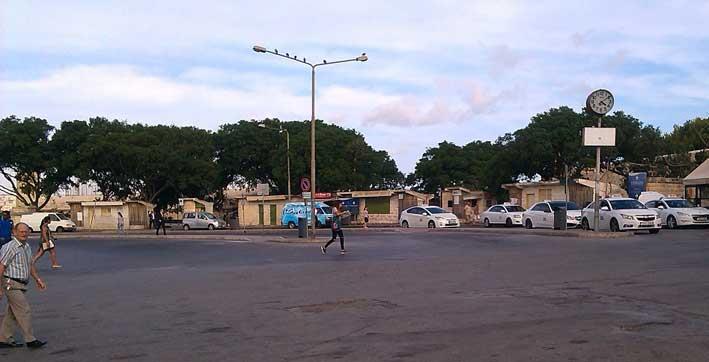
This has inevitably led to more people using their private vehicles, meaning that the chaos in our roads is worse than it normally is.
Drivers reported that they are taking longer to arrive at their destinations, while drivers who use areas which are notoriously linked with traffic congestion are experiencing further delays. Others reported no difference in the traffic flow, quickly adding that it could just be a "perception".
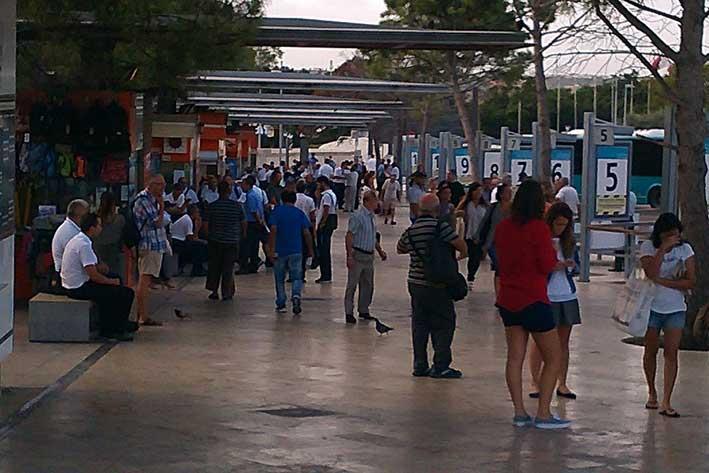
The strike was ordered on Thursday after negotiations with Malta Public Transport failed.
The stoppage ordered by the union started at 4am and will last the whole day, GWU secretary general Tony Zarb said in a press conference.
There will be service on Saturday but the union has reserved the right to order further action if negotiations continue to fail.
The strike action is being supported by the Union Haddiema Maghqudin. UHM secretary general Josef Vella also briefly addressed the workers this morning, saying that the issue is not only about break times but about a comprehensive collective agreement. Just like shelters are provided for karozzini horses, drivers should be treated with respect and be given time to rest and a place where to take their break. That action needs to be taken every three months is an untenable situation, saying that the Spanish operators should understand that Malta is not a third world country and that drivers here should be given the same conditions as those working in Spain. Spanish operators are being subsidised by Maltese taxpayers, he said.
He thanked the GWU for the appreciation shown and said the UHM is willing to offer its assistance for an agreement to be reached with the operators.
In a statement this morning, AD's spokesperson on transport, energy and infrastructure, Ralph Cassar, said:"Alternattiva Demokratika stands four square behind public transport workers at this point in time. Public transport cannot and should not depend on poor conditions of work. During the past weeks we have all been hearing about the difficult and unacceptable work conditions for public transport employees. The lack of proper breaks and the split shift system which management has been insisting on signifies negative effect on these workers' families and their work-life balance. We cannot not notice the low wages, slightly above the minimum wage threshold - which is not enough for any worker, let alone those providing a public service."
All this justifies the industrial action being taken, given that negotiations with workers' representatives have failed, AD said.
Alternattiva Demokratika reiterated that the poor conditions in the public transport sector are unacceptable, both for the workers in the sector and also for service users. When the worker’s dignity is not respected he cannot deliver an adequate service. An efficient and effective public transport system also means good working conditions and adequate compensation for those who operate such and important public service.
Photos Jonathan Borg