The parents of 22-year-old Mirabelle Falzon, who lost her life in a rockfall in Marsaskala on 19 July last year, on Saturday called for urgent action to prevent similar tragedies, following the conclusion of the magisterial inquiry into her death.
At a press conference held on the site of the accident at Riħama Battery in St Thomas Bay, Mirabelle's parents Michael and Charmaine appeared visibly overwhelmed, speaking only briefly to express their gratitude to their lawyer, the presiding magistrate and all those who had supported them, while stressing that steps must now be taken to ensure no other family suffers the same fate.
Most of the criticism was voiced by their lawyer, Conrad Borg Manche, who said the accident could have been avoided if the authorities had acted on repeated warnings. He recounted how the family had held meetings with ministries and officials to highlight the dangerous condition of the site, only to be met with what he described as indifference and delay.
He accused the government of ignoring these concerns until the country was in "election mode", arguing that works on the battery only began once public and political pressure mounted. He said the tragedy was not merely the result of natural erosion, but a direct consequence of systemic failure and bureaucratic shortcomings.
The press conference was also addred by Conrad Neil Gatt of CNG TekVentures, who criticised the handling of the case and questioned the resources devoted to it. "Who is bringing Mirabelle back? Who is taking responsibility for this tragedy?"
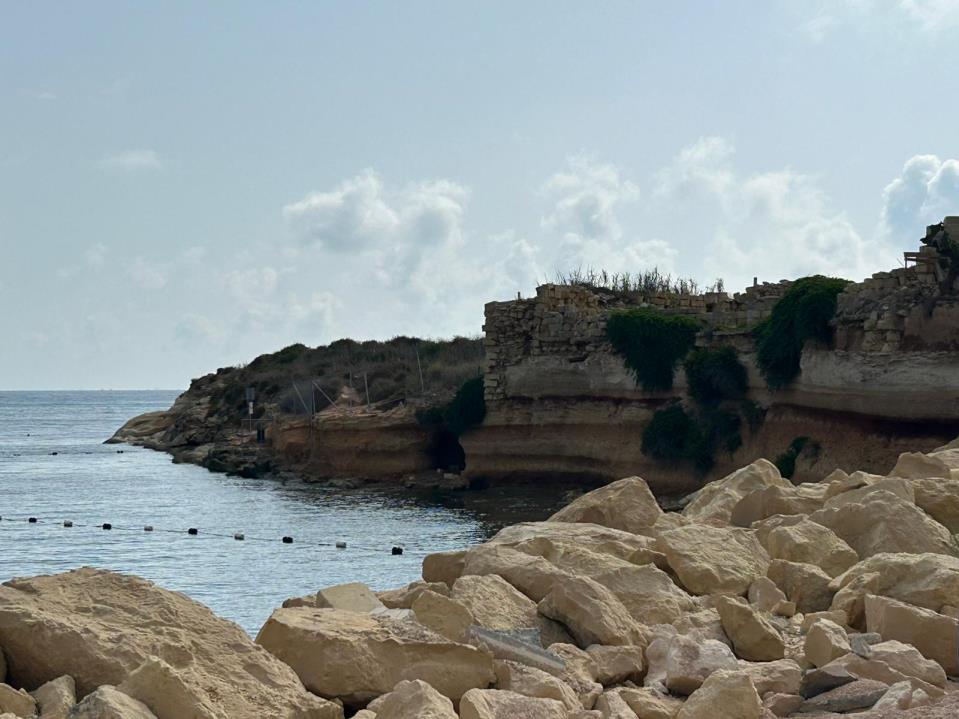
The inquiry, presided over by Magistrate Antoine Agius Bonnici, confirmed that the Munxar coastline is suffering from accelerated natural erosion, worsened in recent years by severe storms, wave action and sea currents. Orthophotos and technical reports presented in court showed how these natural forces had undermined substantial sections of the 18th-century Riħama Battery, leaving its structure unstable.
Experts explained that the site is composed largely of Globigerina limestone, a sedimentary rock that is highly vulnerable to salt crystallisation and water infiltration. This combination weakens the stone over time, leading to instability and collapse. The report concluded that the rock face at il-Munxar was in a state of inevitable degradation, and Mirabelle's death tragically illustrated the wider geotechnical dangers along Malta's coast.
In response to the inquiry's findings, the government announced it will implement a key recommendation: the creation of a centralised authority to receive and manage reports of dangerous sites, whether public or private, including cliffs, ramparts and abandoned buildings. This new entity will work alongside existing construction safeguards and is intended to ensure urgent warnings are not lost in bureaucracy, as happened in the Riħama Battery case. The government also said fencing and warning signs have already been installed in the area to restrict access and swimming.
For the Falzon family, however, these steps bring little comfort. While they expressed appreciation for the work of the magistrate and their legal team, they emphasised that action is now essential to protect others. Their daughter's death, they said, must serve as a lesson and a catalyst for change