I have now been engaged and fascinated with vintage photography and photographers for over two decades. Naturally, my subject of research is based on Maltese photography and I am on a perennial hunt for not only retro images but for any information on past local photographers. For many years, I feel that this subject has not been given enough importance, but lately, also due to other researchers and a nostalgic shift, public awareness has grown exponentially. Imagine my delight when a friend made me aware that the Don Bosco Foundation (the Salesians) had been bequeathed an extensive collection by the children of a little known photographer - Giuseppe Fenech.
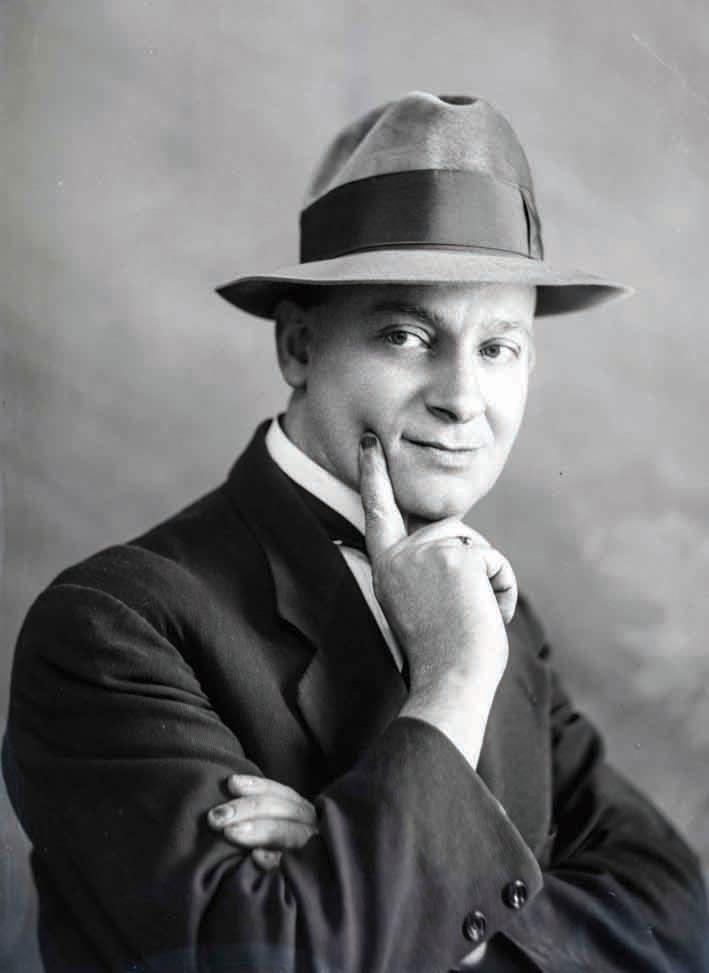
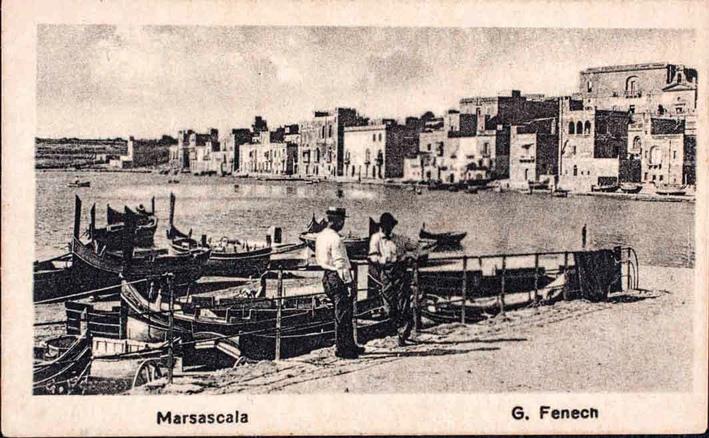
Prior to this, I had only been aware of Fenech through a few photographs in my collection but had no information on him. Thus, I rushed over to Sliema to view the collection and, to my amazement, it transpired that thankfully, Fenech was somewhat of a hoarder who not only left a large number of photographs, but also glass plates, documents and his cameras.
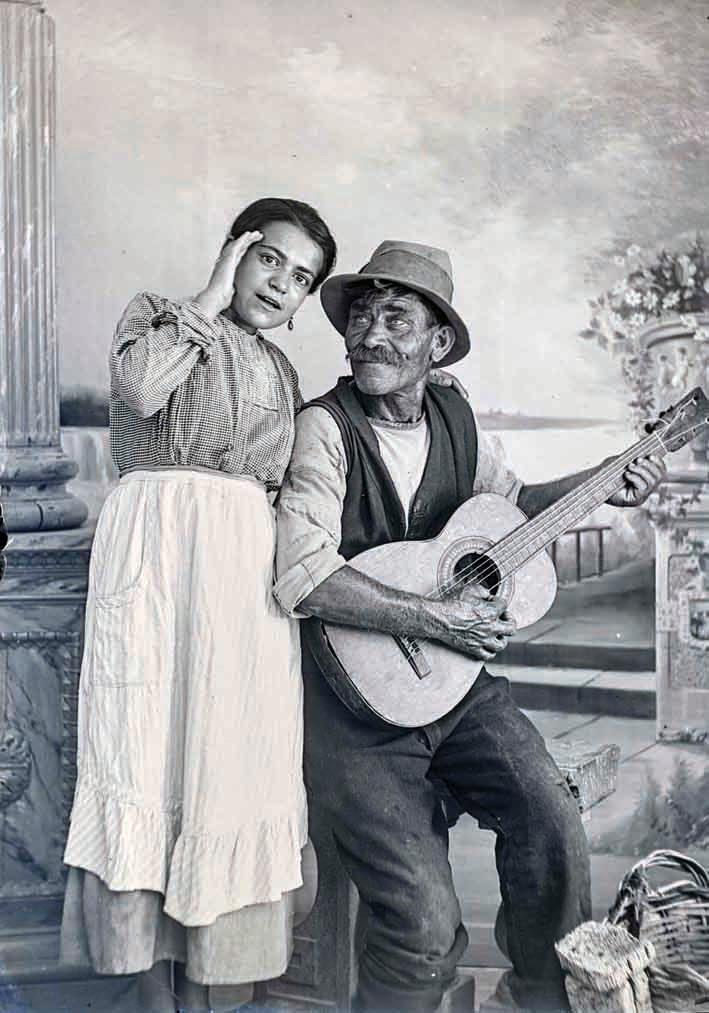
Seeing the extensive material available and being an ex-schoolboy who had regularly attended the Salesians, I offered my voluntary help in order to validate and nurture this treasure to the best of its possibilities. Through my work, and that of other volunteers who I roped in, I hope to restore Fenech's forgotten photographic legacy.
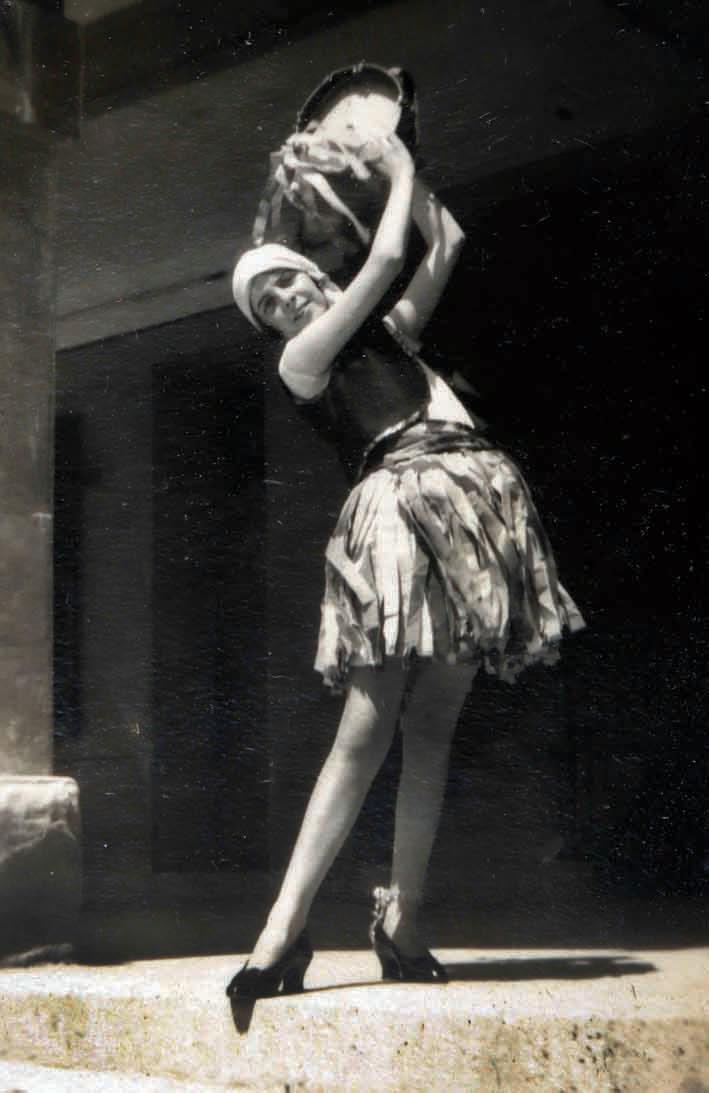
The project will encompass four critical objectives: the careful restoration of Fenech's vintage cameras and photographic equipment; extensive research and cataloguing of his glass plate negatives and printed photographs, analysing their historical and artistic significance within Malta's cultural context and creating a detailed inventory of the collection's holdings. Finally, the result of these interventions will hopefully culminate in a scholarly publication that positions Fenech's work within the broader framework of early Maltese photography. Furthermore, I am always advocating for such collections to be shared with the general public, and so, we hope to eventually make the digital versions available online as well as create exhibitions and lectures on Fenech's work.
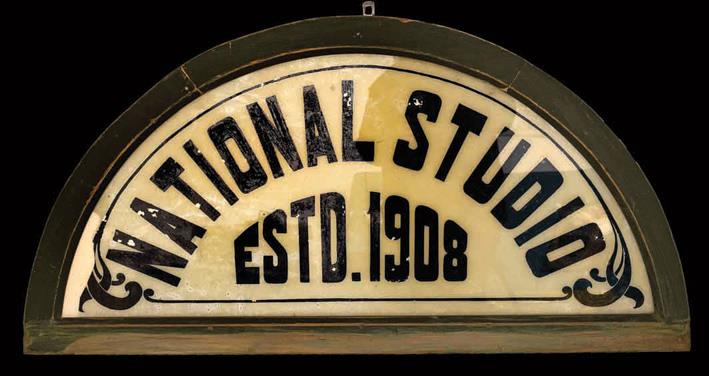
Although I have only taken on curatorship of this collection for a few months, I am happy to report that a lot of progress has been made: The cameras have already been voluntarily restored to their former glory by none other than the island's amazing camera collector - Paul Vella. From my part, I have already digitised the whole collection which amounts to over 1,500 photographs, glass negatives and documents. The inventory is being painstakingly drawn up, with the help of Andrew Cutugno. So, together with the help and coordination of Bryan Magro, matters are steadily moving and we hope to soon be able to dedicate a public display at the Salesians.
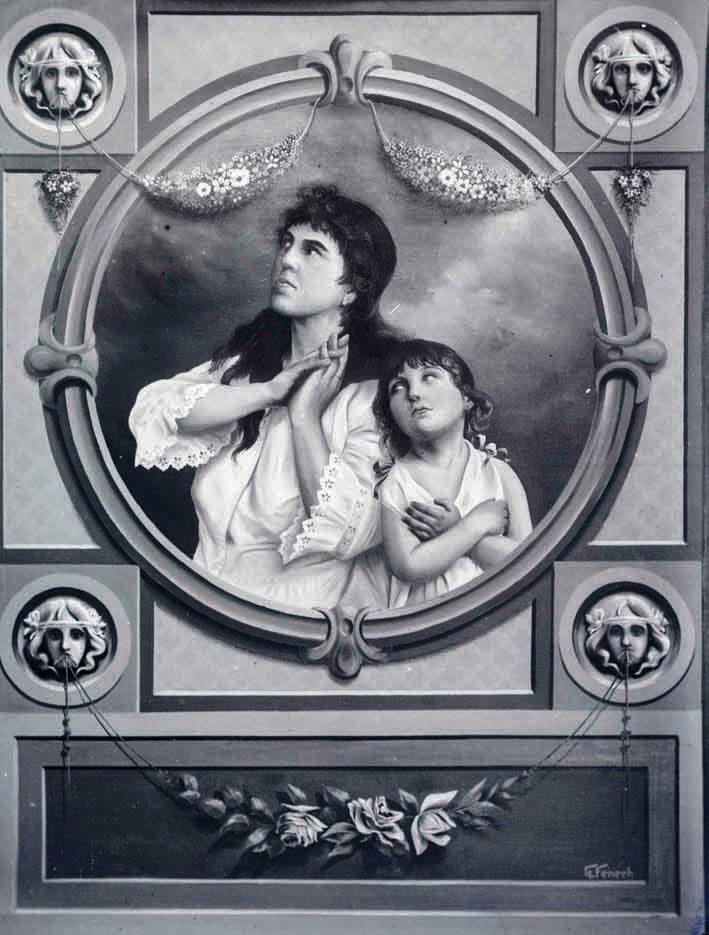
Fenech was born in Cospicua on 1 June 1883. It is known that in 1902 he studied drawing at the Cospicua night school. He has in fact left a few paintings that also make up part of the bequest. A very important discovery was that, as a young man, he was employed as a "retoucher" with Salvatore Lorenzo Cassar. In 1908, Fenech established The National Studio in Cospicua at 74 Strada San Paolo, Cospicua.
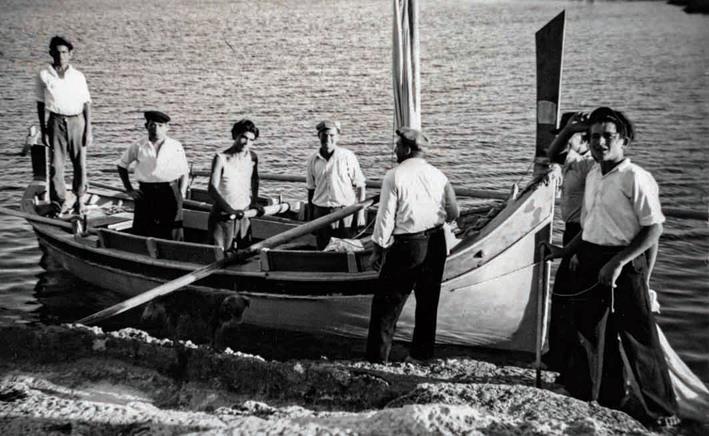
In 1940, due to the Second World War, Fenech, together with his wife and five children, were constrained to move to Gozo. In a way, this was beneficial as the collection contains several iconic and unique photographs of Gozitan events and society of that time. While in Gozo, he resided at 118, St Ursula Street, Victoria, were he also set up a studio and worked as best he could from the island. After the war, the Fenech family returned to Malta and resided at 14, St John Bosco Street, Sliema, where Fenech resumed his career as a photographer. It was within this property that the collection was found.
Alas, Fenech died in Sliema on 13 June 1971, but through this bequest, his name and work should live on forever.
Kevin Casha is a photographer, historian and researcher