Opened to the public in 2023, the Mysterium Fidei Museum beneath St Catherine's Monastery in Valletta invites visitors into an underground complex that served as the home of cloistered Augustinian nuns for over 400 years - a self-sustainable place where daily life was defined by simplicity, discipline, faith, and an unbroken vow to remain within the monastery's walls, even after death.
The Mysterium Fidei - "The Mystery of Faith" Museum is quite literally, a world within a world.
It was director and 'founder' of the Museum Albert Dimech who guided The Malta Independent on Sunday through the rib-vaulted rooms and hidden garden, a tour that felt less like moving through a museum, and more like being let into a sealed chapter of Valletta's past.
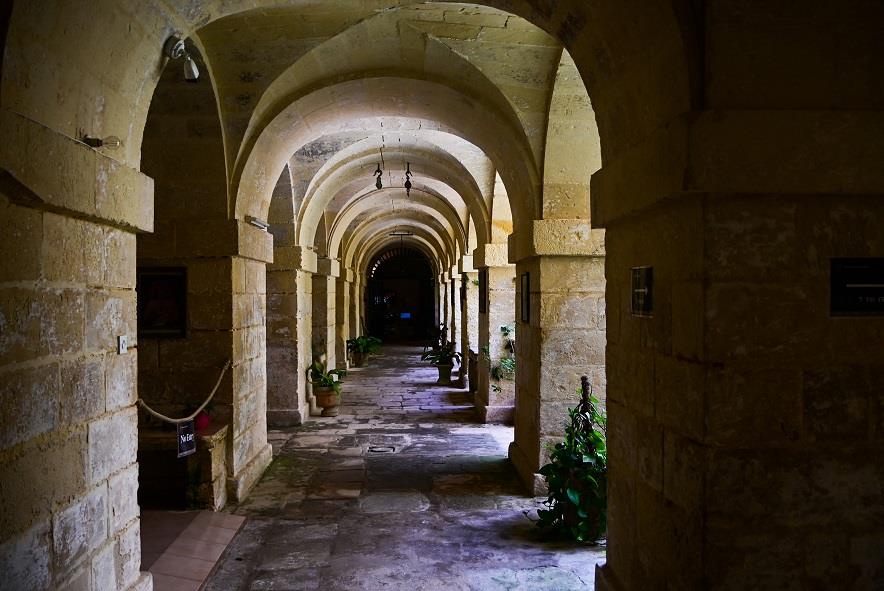
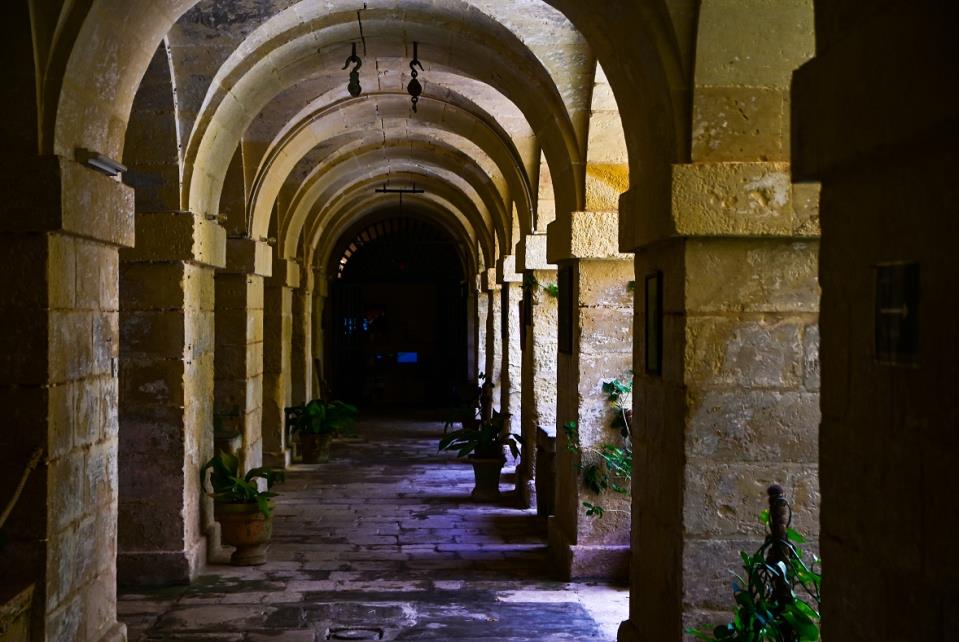
The experience moves through the underground rooms, cloisters, gardens and crypts that once sustained generations of cloistered nuns of the Second Order of Saint Augustine.
"These women chose to lock themselves away from the outside world. They lived here until death, and beyond it," Dimech explained.
For more than four centuries, the monastery functioned as a fully self-sustaining ecosystem, and at one point, there were over 100 nuns living there. Today there are only three.
The underground structures reveal the everyday rhythm of monastic life: bedrooms marked by austerity, spaces for washing and food preparation, burial chambers, shelters carved into stone, and a secret garden hidden at the heart of the complex.
A sanctuary built on gratitude and promise
St Catherine's Monastery was founded in 1575, when the Marquis Giovanni Vasco Olivero and his wife Katerina donated their palace, Casa Vanilla, as a safe haven for female orphans.
The gift was made in gratitude for their son's recovery from the plague. The couple not only expanded the building, adding a cloister and another floor, but also bequeathed all their belongings to the order upon their death.
The monastery takes its name from Marquisa Katerina Olivero, while the Augustinian nuns who inhabited it lived by a 400-year-old promise: 'Omnia ad Deum' - everything for God, a vow which shaped every aspect of daily life.
Labour, water and ingenuity underground
One of the most striking rooms in the underground complex is the reservoir, a space used primarily for washing large textiles such as church linens and decorative cloths.
The varying sizes of stone slabs still bear witness to this work. Rather than relying solely on groundwater, the nuns engineered a rainwater collection system behind the room's walls, storing water that could be pumped into baths using a hand pump - a system that remains functional to this day.
Nearby, zinc bathtubs and wash basins line the room, each brought as part of a nun's dowry upon entering the convent.
"When a woman joined the monastery, she was considered to be marrying Christ. As in traditional marriages, the family provided a dowry," Dimech said.
Often, this took the form of a zinc bath, a small wardrobe, or basic furniture. Some wardrobes still carry the initials of the nuns to whom they once belonged.
Rooms of control and quiet transformation
Several rooms, known as the control rooms, were used to house young women deemed a moral threat by the standards of the time.
In many cases, families forcibly brought their daughters to the monastery, sometimes against their will.
The walls witnessed desperation, with girls being dragged, and kicking and screaming.
Once inside, however, the nuns assumed responsibility for their care, guiding them towards reform.
One of the most well-known cases involved the niece of Grandmaster Pinto. Her transformation was so complete that she eventually chose to remain within the monastery as a nun, spending the rest of her life behind its walls.
Lives of simplicity and prayer
The bedrooms reflect the austere nature of monastic life. One room shown belonged to the Mother Superior, distinguished only by a bed with curtains, with the other representing a typical nun's quarters.
Furnishings were sparse: a chair, a bedside table, a wash basin, a kneeler for prayer, and a small desk used for reading or meals, Dimech said. The crucifix, however, always stood at the centre of every room.
Poverty was a vow, not a hardship, and their only luxury was spirituality. Community prayer and personal devotion filled these spaces with what Dimech described as a "sanctified silence."
War and the shelters
During the Second World War, parts of the underground complex were repurposed as shelters.
Two openings in one room tell the story - one for air circulation, the other an emergency exit should debris block the main passage.
The monastery's proximity to the Grand Harbour made it particularly vulnerable during bombing raids.
Bombers used to attack from dangerously low altitudes, and many people who can down to the shelter felt the earth tremble with explosion
As elsewhere across Malta, prayer became both refuge and hope for deliverance.
The secret garden at the centre
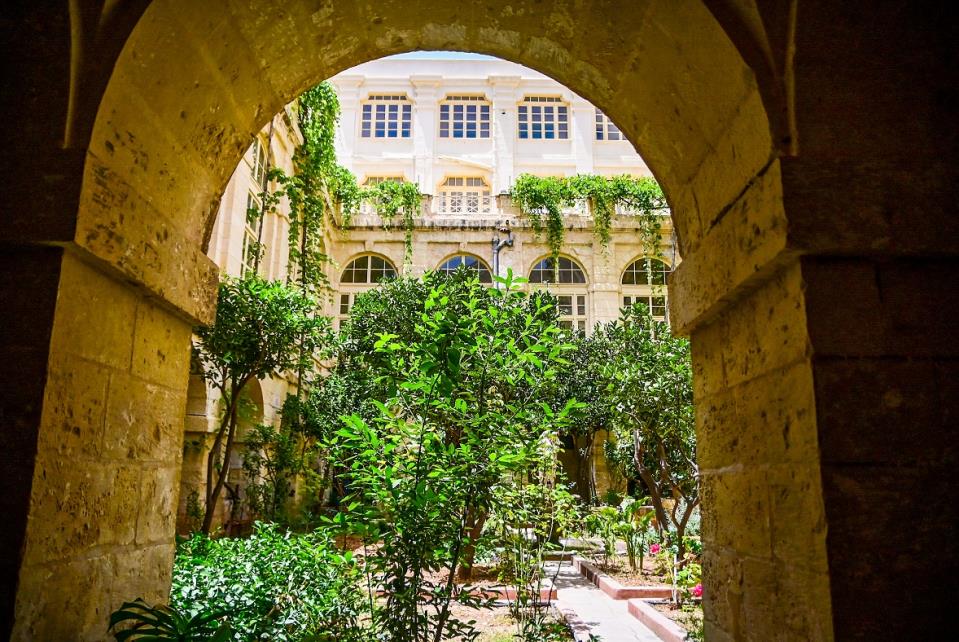
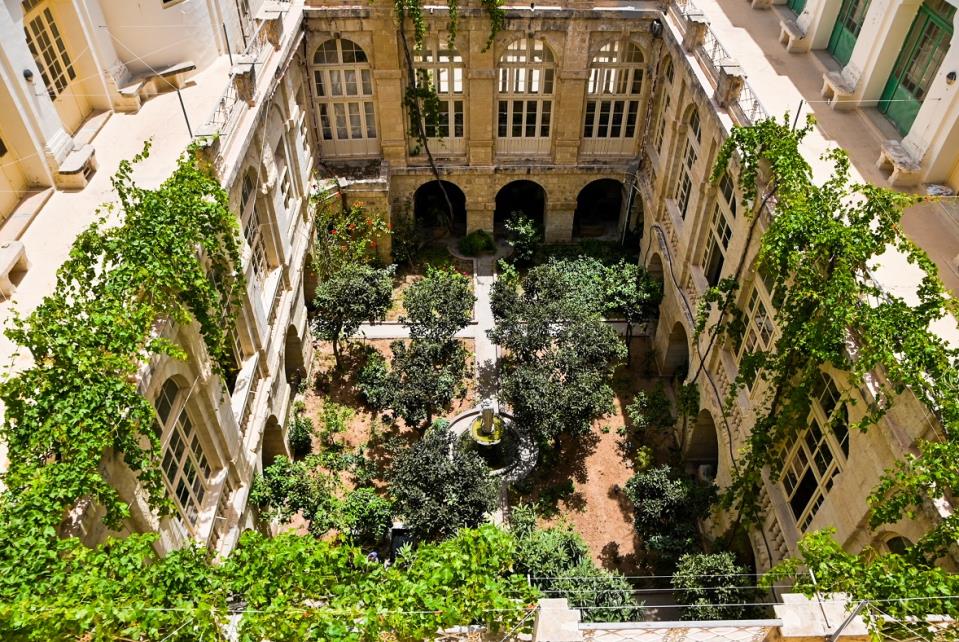
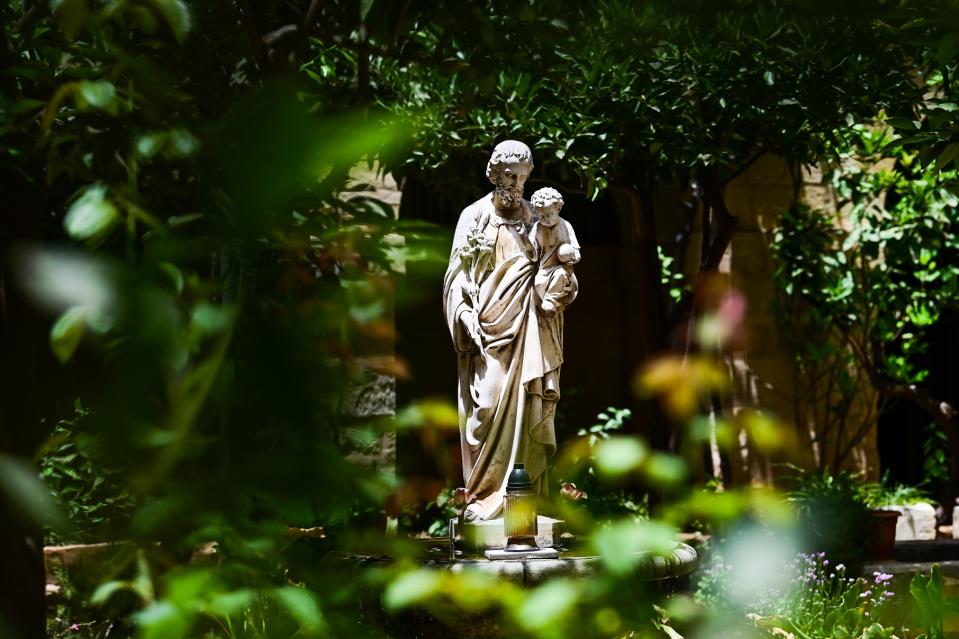
At the heart of the monastery lies a rare, enclosed garden, a space of light and colour sheltered from the city's noise.
Once a quarry that provided stone for the monastery's construction, it now sustains fruit trees, herbs and vines rooted around three freshwater wells.
Oranges, lemons, tomatoes and medicinal herbs nourished the nuns for centuries, making the garden the monastery's backbone.
Today, cats roam freely among the plants, enjoying the same tranquillity that once sustained generations of cloistered women.
Death within the vow
Simplicity extended beyond life, as Dimech's tour came across the antechambers.
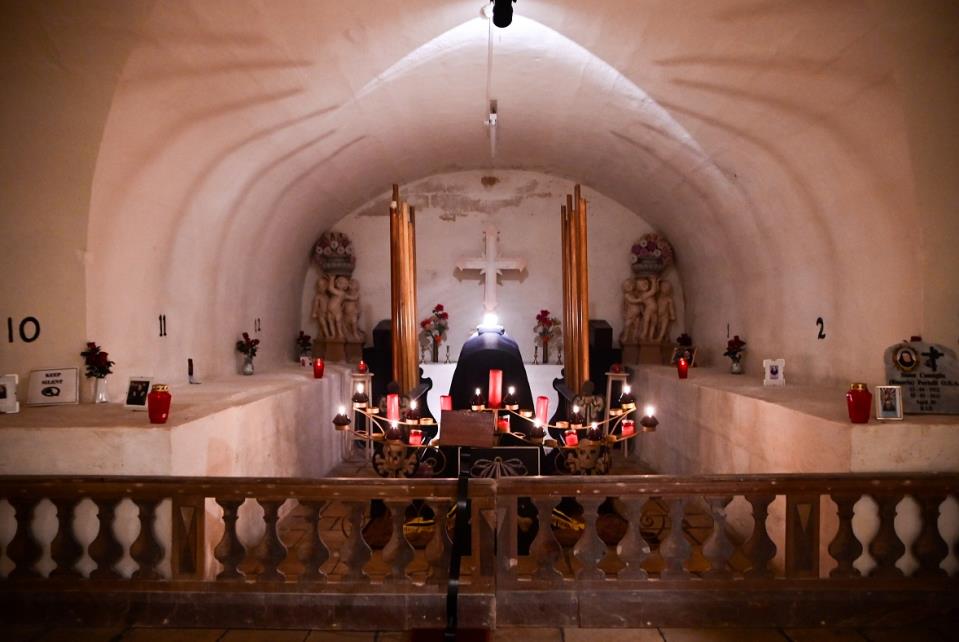
When a nun died, she was laid on an official death bed, four candles lit on either side, before being carried in a funeral cortege to the underground burial chamber.
This practice was interrupted in the 1970s, when new government regulations required burials outside the monastery.
For the nuns, this was devastating, as leaving the walls meant breaking a lifelong vow.
The photo display in the burial chamber includes a photo of Sr Emanuela Micallef, who entered the monastery at just thirteen and became the first nun to be buried outside its walls.
Later, the nuns were exempted from this rule and burial was again allowed in the chamber.
Healing, fire and food
Other rooms reveal the monastery's role in healing and service, as one space was dedicated to the preparation of rose water, or Melissa, made using crushed leaves mixed with red wine, cloves and herbs.
Known for its soothing properties and lemony scent, it was once widely sought after, Dimech said.
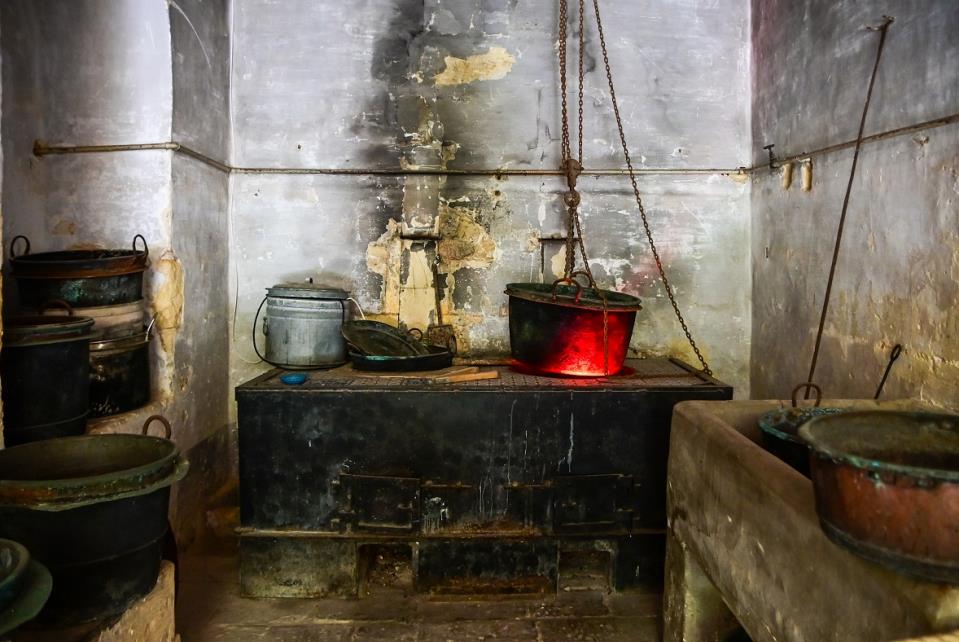
Another room housed the fire ovens used for boiling water and washing clothes, not only for the nuns but also for monks in nearby convents.
Ingenious pulley systems reduced physical strain, while adjustable iron bars controlled airflow and flame, which was quite a modern method at the time, Dimech said.
Food preparation areas speak to the monastery's connection with the wider community, as meals were prepared not just for the nuns, but also for people in need.
Work began early, after prayers, and continued throughout the day. Even sackcloth used to transport wheat was recycled into kitchen aprons, and nothing went to waste.
A brief convergence with the Magdalene nuns
The history of St Catherine's Monastery briefly intersects with that of the Magdalene nuns, a community originally formed by former prostitutes seeking repentance.
While many Magdalene houses were poor, the Maltese community gained wealth in 1602 after being granted rights to a portion of the estates of deceased prostitutes by Pope Clement VIII.
That prosperity ended abruptly with the French invasion in 1798, as the Magdalene monastery was suppressed, its wealth confiscated, and its nuns forcibly evicted and marched to St Catherine's Monastery.
Most eventually died there, marking the quiet end of a community that had long lived at society's margins.
Continuity above ground
Today, just three cloistered nuns remain at St Catherine's Monastery, with their living quarters now being above ground, while the underground complex stands as testimony to centuries of devotion, labour and resilience.
Despite their enclosure, Dimech said that the nuns continue to serve the community, as people still seek their prayers and advice. "If they can't help, they will direct you to someone who can," he said.
While Valletta rushes above ground, life at St Catherine's Monastery continues at a slower, measured pace. The underground complex, now opened to the public through the Mysterium Fidei Museum, no longer echoes with the daily labour of dozens of nuns, yet it remains deeply alive with memory.
Though cloistered, the nuns of St Catherine's were never removed from the world, as for centuries, their labour fed the hungry, washed the linen of neighbouring convents, healed with herbs, and sheltered those in need.
Beneath Valletta's streets, the Mysterium Fidei Museum preserves not only stone and structure, but the quiet endurance of women who chose a life withdrawn - yet never disconnected - from the world beyond their walls.