Festivals Malta works to expand cultural access while preserving Maltese traditions, with the agency's mission being to strengthen the country's cultural identity while providing artists with greater opportunities to showcase their work, CEO Francis Agius said.
In an interview with The Malta Independent on Sunday, Agius explained that Festivals Malta has operated as an independent agency for almost six years, although its roots go back much further. The organisation originally formed part of Arts Council Malta and earlier evolved from the Department of Culture established in the 1970s, whose primary role was to organise major national festivals such as Carnival.
Over time, however, Malta's cultural landscape expanded significantly, creating the need for a dedicated agency capable not only of organising festivals but also of strengthening and developing them. According to Agius, Festivals Malta today does not simply focus on entertainment events but also places strong emphasis on cultural festivals that support Maltese heritage and creativity.
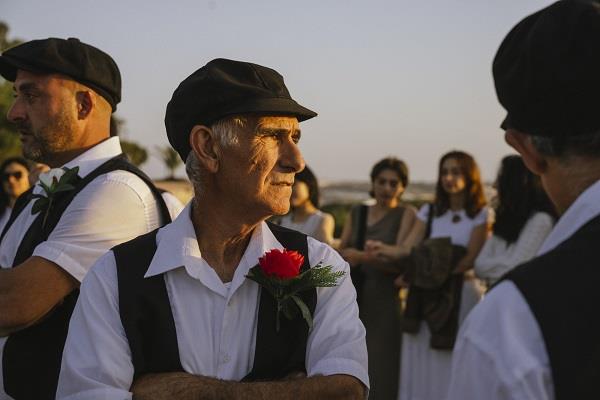
Festghana - Photo Chelsea Muscat
The organisation aims to give artists a platform where they can present their work while ensuring that Maltese audiences can enjoy the country's cultural talent. "The main aim of Festivals Malta is to make culture and the arts more accessible to the community," Agius explained, adding that the agency also seeks to provide artists with opportunities that may eventually allow them to perform and work internationally.
Agius stressed that festivals play an important role in shaping and safeguarding Malta's cultural identity, but maintaining this identity requires a careful balance between tradition and modern expression. He said that cultural traditions cannot survive if they are repeated in exactly the same way every year without adapting to changes. Instead, they must evolve while still preserving their roots.
He cited the example of Carnival, which has continuously developed throughout the years by introducing new elements while keeping its traditional foundations intact. Festivals Malta therefore aims to invest in modern artistic expressions while ensuring that traditional forms are not lost.
One example is the revival of Qarċilla, a traditional form of Maltese street theatre known for its satirical and humorous commentary on social and political life. Rather than abandoning the tradition, Festivals Malta reintroduced it in a contemporary format while preserving its original spirit. Another example is the creation of Festgħana, a festival dedicated to Maltese folklore that celebrates traditional għana music and other folk traditions.

Muzika Muzika - Photo Darren Agius
Agius explained that if traditions, such as għana, remain unchanged and are not adapted to modern audiences they risk gradually disappearing. For this reason, the organisation focuses on preserving traditional elements while presenting them in ways that remain appealing to new generations. This philosophy is reflected in Festivals Malta's motto, Celebrating the Past, Creating the Future, which Agius said summarises the organisation's approach to cultural programming.
In terms of artistic direction, Agius noted that the organisation follows a flexible model that prioritises creative freedom. Festivals Malta manages the administrative and organisational aspects of its events, but each festival is entrusted to an artistic director who is given significant independence to shape the festival's identity. These artistic directors are generally appointed for cycles of around three years, during which they are free to develop their vision and programming.
This system ensures that festivals remain dynamic and prevents them from becoming repetitive, while also allowing new voices and perspectives to emerge when leadership changes. According to Agius, maintaining distinct identities for each festival is essential in a cultural environment where audiences are increasingly exposed to a wide range of artistic offerings.
Accessibility is another major focus for Festivals Malta. Being an organisation funded by public funds, it aims to ensure that its festivals are accessible to as many people as possible. Agius explained that this includes keeping ticket prices affordable while also ensuring that events are physically accessible. Since Festivals Malta does not own its own venues and instead uses different locations across the islands, accessibility sometimes depends on the facilities available at each venue.
Nevertheless, the organisation works to adapt spaces whenever possible to accommodate both audiences and performers with disabilities. Initiatives within certain festivals are specifically designed to promote inclusivity, allowing artists with different abilities to participate. Festivals Malta also takes into consideration elderly audiences or individuals with physical limitations by providing suitable seating and viewing arrangements. Agius emphasised that art and culture should be accessible to everyone, stating that people should not be excluded from cultural life simply because of financial or physical barriers.
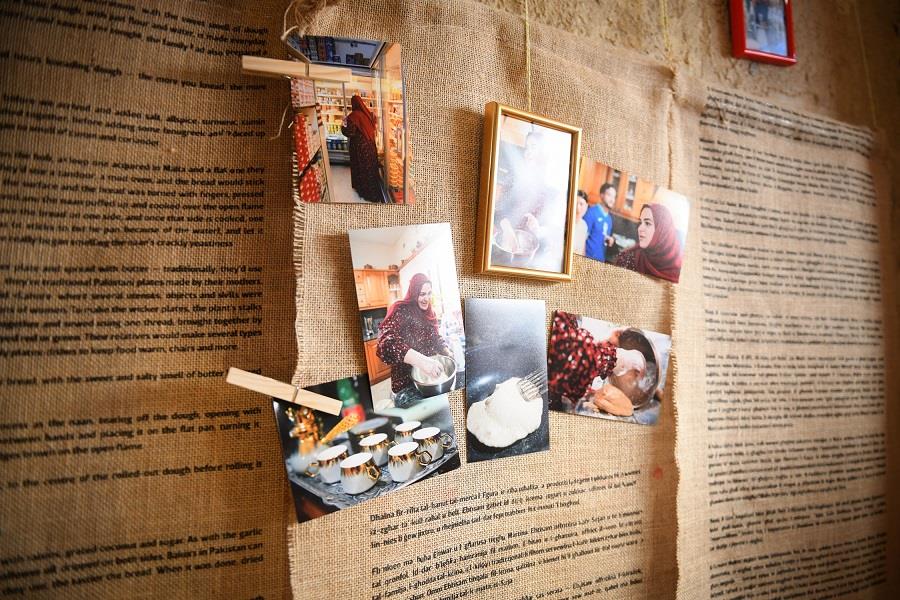
Ftira making - Photo Matthew Mirabelli
The organisation has also had to adapt to Malta's changing demographics. As the country has become more diverse, Festivals Malta has increasingly sought ways to include different communities within its programming. One example is the collaboration with Refugee Week during the Malta International Arts Festival, which provides refugees living in Malta with opportunities to participate and present elements of their culture.
Agius said that cultural events should reflect the society in which they exist and that including different communities helps enrich Malta's cultural landscape. While such changes may sometimes face resistance, he said the organisation remains committed to ensuring that festivals represent the realities of contemporary Maltese society.
Festivals Malta measures the success and impact of its events in several ways. Attendance numbers remain an important indicator, but the organisation also relies on audience feedback gathered through surveys, interviews and vox pops. This data allows organisers to compare results from year to year and evaluate how festivals evolve over time.
Despite the disruption caused by the Covid-19 pandemic, Agius said that attendance has generally increased in recent years. In some cases, the organisation has had to rethink how festivals are presented in order to maintain engagement. Festgħana, for instance, initially struggled to attract audiences because some traditional enthusiasts felt the concept did not accurately represent the original spirit of għana music. Following discussions with audiences, Festivals Malta rebranded and redesigned the festival, bringing it closer to the earlier concept of Għanafest while modernising its presentation. The changes helped increase participation and renewed public interest in the event.
Seasonality has also been a long-standing challenge for Malta's cultural calendar, with many events historically concentrated during the summer months. Festivals Malta has addressed this by distributing events more evenly throughout the year. One example is the Valletta Baroque Festival, which takes place in January, traditionally a quieter period for tourism after the Christmas holidays.
By introducing festivals during these quieter months, the organisation aims to maintain cultural activity year-round. Other major events such as Notte Bianca, typically held on the first Saturday of October, as well as the Malta International Arts Festival and various jazz and dance festivals, have become annual fixtures that audiences now expect and anticipate.
Looking ahead, one of the organisation's major priorities is the development of a Culture and Arts Hub that will serve as a permanent base for Festivals Malta. Currently the organisation operates without its own venues and relies on multiple locations across the country.
The proposed hub is expected to provide facilities not only for Carnival-related activities but also for rehearsals, performances and other creative initiatives connected to the organisation's festivals. Agius described the project as a significant investment in Malta's cultural infrastructure that will allow Festivals Malta to expand its work and provide better resources for artists. Among other initiatives being planned is a new Guitar Festival expected to take place in September. Although it will initially be a relatively small event, the organisation hopes it will grow over time and showcase a wide range of guitar-focused musical styles. Other potential festivals are also being explored, although these ideas remain in the early stages of development.
Collaboration remains central to Festivals Malta's activities, both locally and internationally. The organisation frequently works with cultural institutions such as Teatru Manoel, Spazju Kreattiv and the Malta Philharmonic Orchestra to produce high-quality artistic programming. These partnerships help raise artistic standards while also expanding the reach of festivals.
At the same time, Festivals Malta makes extensive use of digital platforms to promote its events and engage with audiences. Agius acknowledged that technology, including artificial intelligence, is rapidly changing the cultural landscape and presents both opportunities and challenges for the arts sector. However, he emphasised that digital promotion can never fully replace the experience of attending a live cultural event. Online platforms may encourage people to discover festivals, but the real value of these events lies in the shared experience between artists and audiences.
Reflecting on the organisation's growth over the past five to six years, Agius said the aim is for Festivals Malta to continue expanding both its reach and its cultural impact. The long-term goal is not only to grow as an institution but also to strengthen Malta's cultural ecosystem by supporting artists, developing new festivals and creating opportunities for audiences to engage with the arts.
To view Festivals Malta's events visit www.festivals.mt