Tucked away along 217, St Paul Street, Valletta, the Notarial Archives stand as one of Malta's most extraordinary yet often overlooked cultural treasures. Behind their historic façade lies a vast repository of human stories - contracts, wills, agreements, and records - that together span over six centuries of life on the islands. The archives house more than 20,000 notarial registers and manuscripts, forming an unparalleled documentary record of Malta's social, economic, and cultural past.
Yet the story of the Notarial Archives is not only about the documents they contain. It is also about the buildings themselves - two historic palazzi that have, in recent years, undergone a remarkable transformation. Once in a state of serious deterioration, these structures have been painstakingly restored through dedicated conservation efforts. The restoration project sought not merely to repair what was damaged, but to respect and reveal the architectural character of the palazzi, allowing their original features to re-emerge with dignity and authenticity.
I remember coming to one of these buildings, many mangoe seasons ago, to renew my passport. It was in a terrible state.
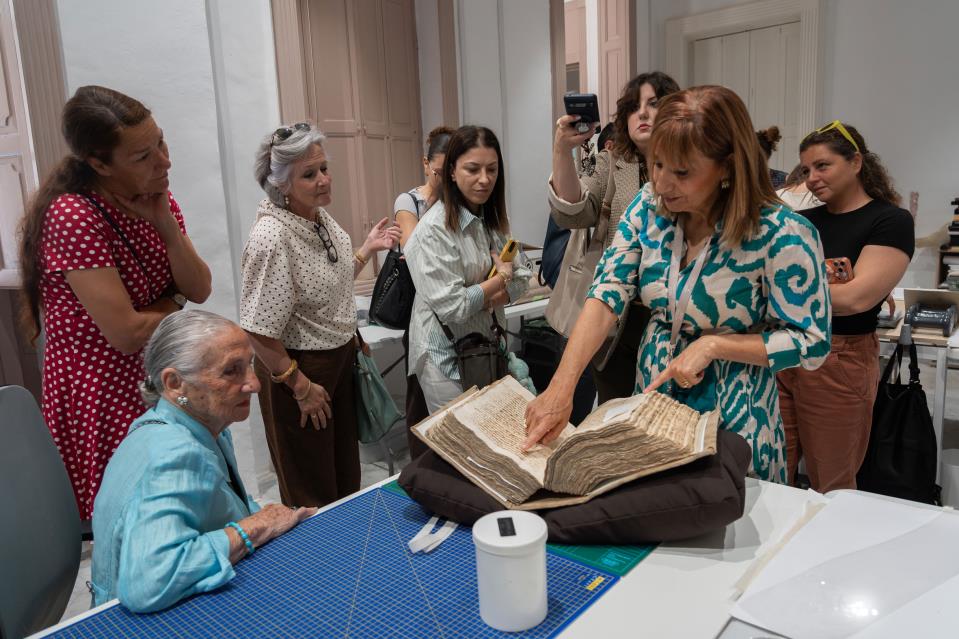
This careful restoration has given the buildings a renewed purpose. Today, the palazzi do not simply house archives; they actively participate in the storytelling. Visitors stepping inside encounter not just documents, but an environment where history is tangible - where the setting itself echoes the centuries contained within the registers. The interplay between space and content creates a powerful experience, reinforcing the idea that heritage is not static, but living.
At the heart of this transformation is the work of the Notarial Archives Foundation, a voluntary organisation dedicated to preserving and promoting this unique collection. Its mission goes beyond conservation: it seeks to showcase and diffuse knowledge, ensuring that the archives are accessible and meaningful to contemporary audiences. By safeguarding these documents and the buildings that contain them, the Foundation helps secure an irreplaceable legacy for future generations.
I understand that the restoration is EU funded.
Importantly, the restored palazzi now function as both repository and cultural space. Exhibitions, educational initiatives, and research activities bring the archives to life, connecting modern audiences with the individuals and events recorded in ink centuries ago. In doing so, the project demonstrates how heritage sites can be sensitively adapted for present-day use without compromising their historical integrity.
What a world of difference from the national archives in Haiti which I visited in the early 80s, while I was attending a conference. There one of the assistants showing us round told us how these old papers were ideal for the ripening of mangoes and avocados. Yes. Sadly. He saw no other use for those ancient documents which, apart from anything else, recorded the history of slavery in Haiti.
The time to leave had arrived but not before we were led to the courtyard full of plants which looked healthy and happy, including an aspedistra or two.
Two young ladies were behind a table waiting to serve us coffee from a stanjata, the kind of coffee my mother made with cloves and orange flower water and which my parents drank after lunch. Like Proust and his madeleine, this coffee, served in a glass took me back to my childhood. We were also offered biscuttini, I shall call them. Then it was time to bid goodbye and thank Dr Abela for the opportunity to be guided by her through the archives she knew so well.
The Notarial Archives at St Paul's Street therefore stand as a powerful example of what can be achieved when conservation is guided by vision and respect. The restoration of the palazzi has not only rescued two important buildings from decline, but has also created a vibrant centre where Malta's documentary and architectural heritage coexist. It is a place where the past is preserved, interpreted, and shared - ensuring that the voices captured in those ancient registers continue to be heard.
What is more, I had met a paleographer. The first inn my life and almost certainly the last.