The Federation of Maltese Aquaculture Producers (FMAP) has collected nearly eight tonnes of floating waste, together with an additional 25,550 litres of oily liquid, from Malta's coastal waters during its 2026 sea clean-up campaign.
FMAP CEO Dr Charlon Gouder said the industry had also registered a notable improvement in coastal water conditions this summer, with limited and only occasional, if any, sightings of oily liquid affecting bathers and other sea users.
"This is the result of an industry pulling in the same direction and recognising a very simple principle: the sea belongs to us all. As an industry that uses the sea for commercial purposes, we also have a responsibility to protect it and leave it clean," Gouder said.
He noted that areas including Ħondoq, St Paul's Bay, Sliema and St Julian's, as well as coastal areas in the south of Malta, remained largely free throughout the summer from the oily liquid commonly referred to as "slime".
When mixed with other oily residues, this can form a thick slick on the surface of the water, causing considerable inconvenience to swimmers and other sea users.
"Credit is certainly due to the farms themselves, which together with the Federation worked hard throughout the summer to ensure the least possible inconvenience to the public," Gouder said.
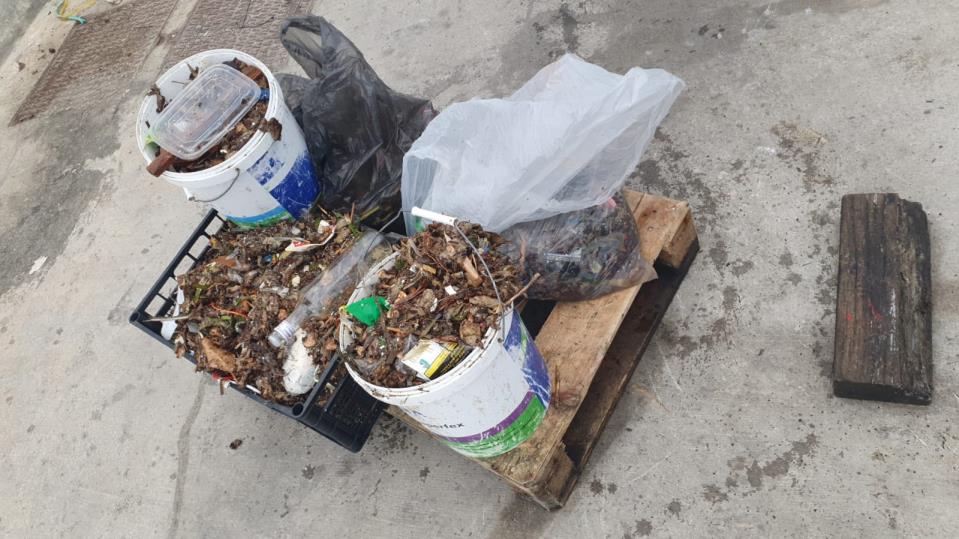
FMAP's commitment to cleaner seas, however, goes beyond efforts to minimise oily liquid in coastal waters. As part of its wider environmental commitment, the Federation once again carried out a nationwide sea clean-up campaign.
Undertaken between 13 July and 21 September, the campaign involved 71 days of cleaning activity along Malta's eastern coastline, covering areas both north and south of Valletta. The operation resulted in the collection of 7,997 kilograms of floating waste and a further 25,550 litres of oily liquid.
As part of the campaign, and following discussions with the local council, FMAP also organised a daily morning clean-up in the Gillieru area. For all 71 days of the campaign, Federation personnel visited the area and carried out waste collection and cleaning activities.
During a press call outlining the results of the initiative, Tristan Camilleri, Technical Expert of the Federation, gave an overview of the extensive operation undertaken throughout the summer.
Commissioned annually by the Federation, the campaign supplements the cleaning efforts carried out individually by FMAP members. It provides a coordinated operation across a wider stretch of coastline, reflecting the industry's commitment to contributing to cleaner coastal waters and tackling floating waste during the busy summer months.
The 2026 operation involved between two and five vessels each day, depending on the amount and location of floating waste identified. In total, the campaign accounted for 260 vessel days, representing the cumulative deployment of vessels over the reporting period. With patrols operating from 6.30 a.m. to 6.30 p.m., this amounted to 3,120 vessel operating hours. Each vessel carried a crew of three, bringing the total personnel effort to 9,360 working hours.
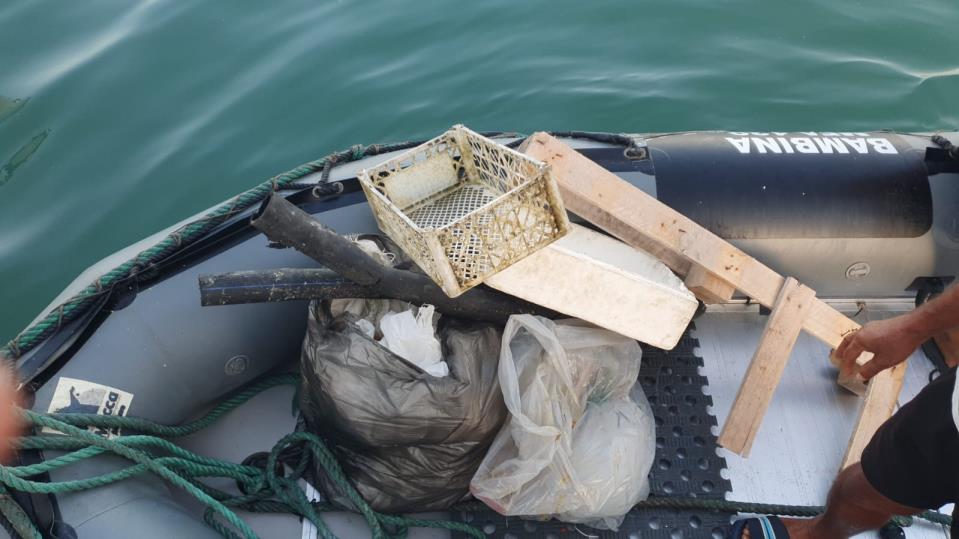
The vessels were equipped with collection equipment, storage containers, dinghies and oil booms. The operation combined routine patrols with adjustments to the areas covered according to prevailing winds, currents and the location of floating waste. This enabled crews to focus their efforts on areas where material had been identified or was likely to accumulate.
In the north, the daily patrol routine in the St Paul's Bay area began with coverage from Tal-Għażżelin to Baħar iċ-Ċagħaq, before crews proceeded to other stretches of coastline according to prevailing conditions.
Operations south of Valletta provided complementary coverage, with the northern and southern operations each accounting for 130 vessel days over the course of the campaign.
Cleaning efforts also extended to inshore and land-based areas. During inclement weather, crews redirected their work towards these locations, allowing cleaning activity to continue even when sea conditions affected offshore operations.
The Marsaxlokk slipway area was cleaned on 18 occasions, while further clean-ups were carried out in Birżebbuġa on six occasions and Marsaskala on three occasions.
The recorded total of 7,997 kilograms of collected material comprises 4,415 kilograms from the northern operation and 3,582 kilograms from the southern operation. This is a conservative total based on identifiable recorded weights. Separately, crews collected 25,550 litres of oily liquid. These liquid volumes are additional to the reported weight of collected waste.