Current waste collection policies do not adequately account for tourism-driven waste, environmental NGO Żibel has said. The NGO argued that Malta's door-to-door system struggles during peak summer months, when the population in tourist-heavy areas increases significantly.
In response to questions sent by The Malta Independent on Sunday, Żibel spokesperson Cristina Macelli said that tourist hotspots are particularly affected. Areas including St Paul's Bay, Sliema, St Julian's and Swieqi experience sharp increases in waste generation during summer. Part of the problem is that short-term visitors may be unfamiliar with collection schedules. Many tourists and Airbnb guests do not know Malta's day-specific waste collection system, contributing to incorrectly sorted waste and bags being left outside at inappropriate times. The seasonal nature of the problem points directly to short-term rentals. Żibel noted that the same issues are not experienced to the same extent during winter, suggesting the system is unable to adapt to peak seasonal population increases.
Narrow streets and limited space worsen the problem, Macelli said. Waste bags can accumulate on pavements faster than they are collected, creating overflowing rubbish in densely populated urban areas. The summer heat further increases environmental and public health concerns. Żibel warned that overflowing waste can attract rats and vermin, while poorly managed rubbish risks being blown or washed into the sea. Moreover, public events also require better waste planning. With festivals and large gatherings increasing across Malta, Żibel said waste management should be incorporated into event planning from the outset, with clear and enforceable measures rather than being treated as an afterthought.
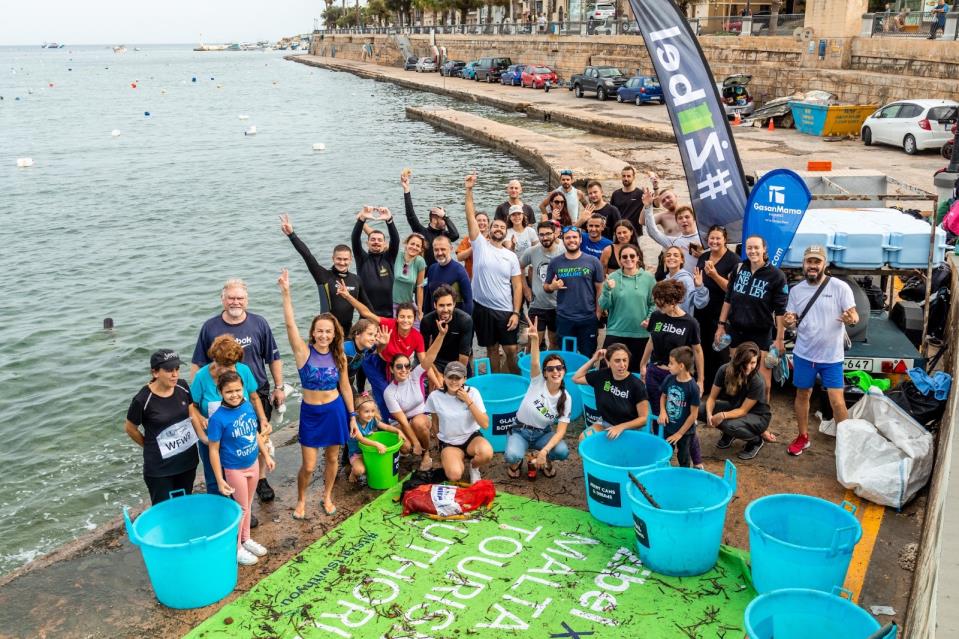
Żibel was founded in 2017 by three people, including Andrew Schembri, after they were concerned by litter along Malta's coastline. It began with a small public cleanup at Fomm ir-Riħ organised by friends. The NGO said it has since grown into a community of more than 11,000 volunteers and 1,200 divers. Its work has expanded beyond cleanups to include ghost-net recovery, environmental education and school outreach, consultation with government entities, and the development of Malta's first local recycling solution for ocean plastics through its Micro-Factory project. Żibel said its focus has shifted from simply removing litter to addressing the causes of waste and pollution. Its broader mission is to reduce waste across Malta and restore natural environments, while encouraging civic responsibility.
More than 234 tonnes of waste have been removed by the NGO since 2017. Żibel said this includes material recovered from Malta's seafloor and coastline, through its cleanup events and Żibel Tribe Bin network. In addition, more than 300 ghost nets and cages were removed - this has been carried out through its Proġett Xibka Ghost Net recovery project, which the NGO said has attracted international attention. Żibel's long-term goal is to reach what it calls a "zero point" in Malta's bays - removing as much accessible waste as possible and then moving towards ongoing maintenance rather than continually dealing with accumulated historical waste.
Żibel said its cleanup and diving data since 2017 show the largest categories of waste recovered are tyres (41 tonnes), metal (28 tonnes), ropes and fishing gear (14 tonnes, excluding more than 300 ghost nets and cages), and plastics (14 tonnes). It also regularly finds glass, cigarette butts and everyday litter. Żibel said the waste has different sources. Some is recent litter that is blown or carried from land into the sea. Some is legacy waste, including tyres and glass that may have accumulated over decades. Other plastic waste is transported by Mediterranean currents and reaches Malta's coastline.
According to Macelli, public awareness of environmental responsibility has improved since 2017, partly because of environmental campaigns and schemes such as BCRS, which Żibel singled out as a major success. Żibel said the scheme has significantly changed how plastic bottles are handled in Malta and that its effects are visible. That being said, while supporting the principle of the scheme, Żibel questioned the placement of some BCRS stations near the sea or protected areas and said the areas affected by spilled containers or material appear to be increasing. Organic waste collection is another success story - Żibel said the introduction of separate organic collection was an important step that continues to produce benefits.
"The work is far from done, but Malta is a very different place from 2017," Macelli said.
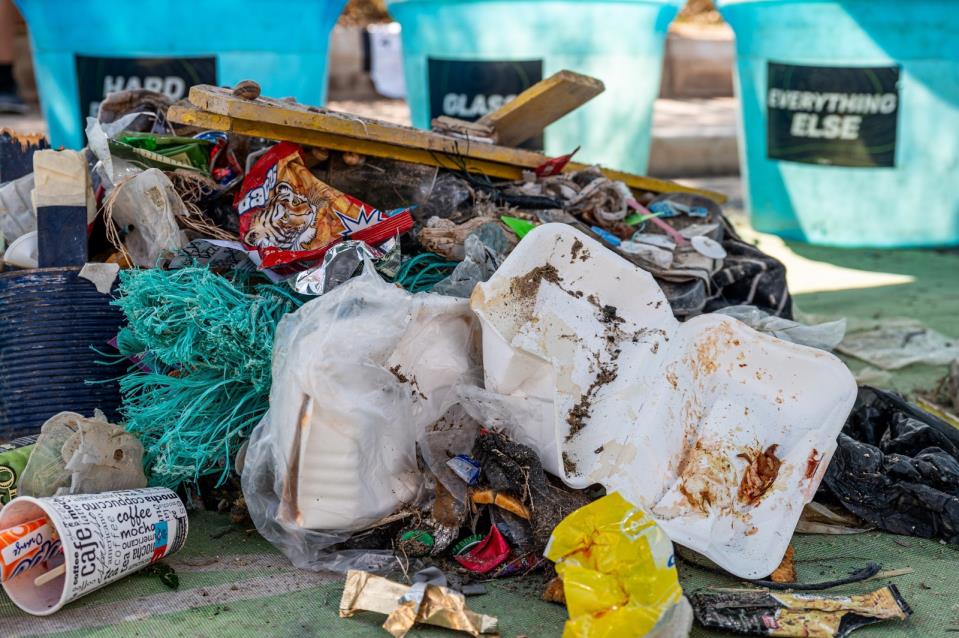
On the other hand, the NGO said the biggest remaining challenges are the black bags, skips and construction waste. Mixed waste is the central concern. Żibel argued that these waste streams contain recyclable or otherwise recoverable materials that are ultimately sent to the landfill instead of being separated and recovered. The NGO wants greater separation at source. Żibel said the contents of black bags should be separated before reaching landfill, as well as through further separation at WasteServ. The NGO also linked waste in landfill to impacts on wildlife. It said stray food-containing packaging can become a food source for birds, which can lead to birds eating waste and, according to Żibel, dying from starvation.
Businesses should reduce waste throughout their supply chains, not just at the point of sale, Żibel said. This includes cutting single-use packaging during manufacturing and distribution. Moreover, companies should avoid environmentally harmful ingredients, such as microbeads, and design products for longer lifespans rather than disposable consumption. Żibel encouraged businesses to support environmental NGOs through practical partnerships, including corporate social responsibility events and funding. The NGO said these are important sources of support and can sometimes be more consistent than government support. Żibel argued that sustainability is not necessarily about eliminating plastic or choosing materials marketed as "green". Instead, businesses should select materials based on durability, lifespan, and environmental impact. The NGO said it has spent the past nine years helping some of Malta's largest companies move towards sustainable practices.
Macelli identified two main challenges that Żibel faces today: limited funding and misconceptions about the role of NGOs. The NGO sector often lacks investment and operates in an uncertain space between the government and private enterprise. Moreover, a significant criticism is that environmental NGOs can provide expertise and practical solutions but are not always incorporated into government decision-making. Żibel said it has worked under three different environment ministers, yet believes many of its projects, solutions and expertise have gone unnoticed. The NGO argued that environmental organisations should be seen as partners in shaping and guiding government policy, rather than as separate entities operating outside the system.
Żibel said its work involves significant costs, including equipment and maintenance, fuel, skips and waste disposal, training, and technology and logistics. The NGO emphasised that its work is physically demanding and can sometimes be dangerous, making adequate equipment and training essential. Furthermore, despite its growing operations and volunteer base, Żibel said logistics, planning, education and advocacy are handled by a small core team with just one full-time staff member. Much of the organisation's work depends on members volunteering time outside their formal roles and personal commitments. As Żibel's activities expand, the NGO said maintaining the quality and impact of its work while managing limited resources is becoming increasingly difficult.
When asked where the NGO sees itself in five to 10 years, Żibel said it is working with CRDC Ltd to establish what it describes as Malta's first facility capable of processing contaminated plastic, including plastic recovered from the sea. This is significant because marine-recovered plastic is often too contaminated or degraded for conventional recycling systems. The NGO said local processing could reduce the carbon footprint associated with transporting waste overseas, prevent Malta from exporting its plastic waste problem, and create a local solution for difficult-to-recycle marine plastics. Moreover, over the following years, Żibel said it wants to expand its work further offshore and underwater. Its ambitions include recovering waste from depths below 55 metres, investigating plastic pollution further offshore, and addressing the large amounts of plastic moving through Malta's surrounding waters. The NGO acknowledged that achieving these goals will require substantial investment in both personnel and finances.
Żibel identified Paradise Bay as one if its clearest examples of lasting impact. When the NGO first visited, it said the bay was covered by approximately two metres of plastic bottles, polystyrene and driftwood. After nine years of cleanups and the removal of approximately 20 tonnes of waste, Żibel said the bay has been significantly transformed. That being said, Żibel stressed that cleaning a bay does not necessarily mean the pollution problem is permanently solved. It said the Mediterranean continues to wash approximately one tonne of debris back into Paradise Bay every year.
Żibel's closing message to Maltese residents is that environmental action should begin immediately, rather than waiting until people feel qualified, informed or prepared enough to do so. The NGO emphasised that taking action does not require degrees, money or specialised equipment. Żibel promotes gradual, consistent change rather than the expectation of becoming sustainable overnight. It combines individual passion and commitment with an evidence-based and practical approach to environmental problems. The central message is captured in its motto: "It starts with you."