Last weekend, the President's Palace in Attard was once again the focal point for celebrating Maltese literature during the official ceremony of the National Book Prize 2026. Under the auspices of the President of Malta, Her Excellency Myriam Spiteri Debono, a total of 18 awards were distributed across various categories, recognising the finest publications of 2025 for children, young adults, and adults.
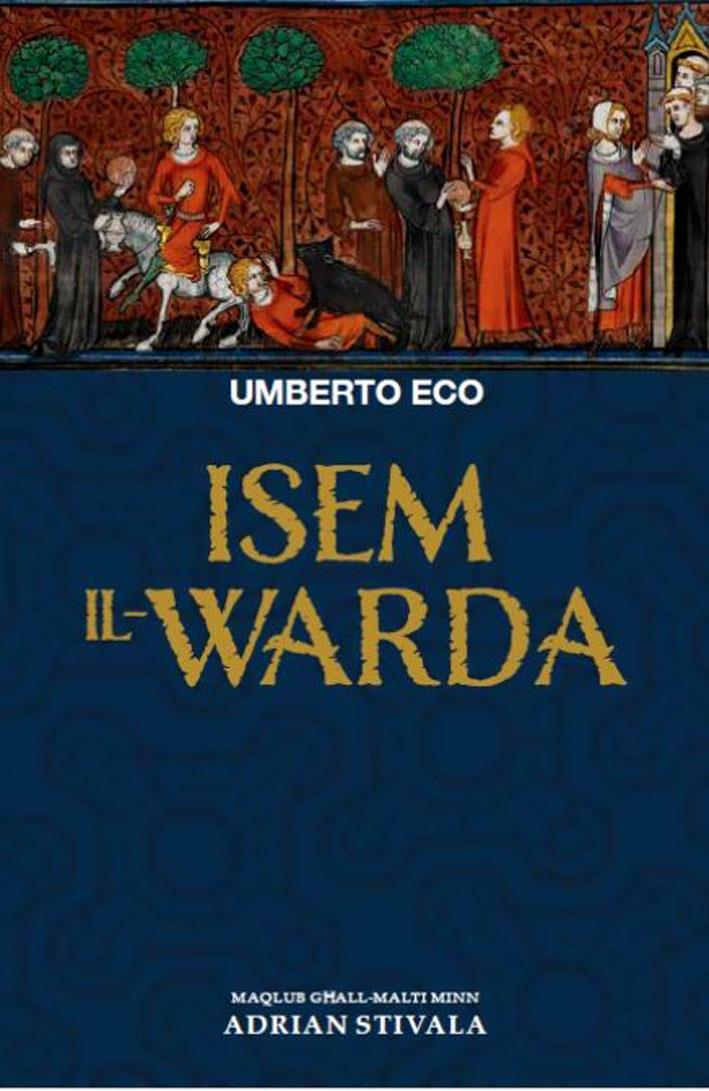
Among the evening's most significant highlights was the presentation of the Prize for Best Translation of Fictional Prose to Adrian Stivala. He was honoured for his monumental translation from Italian to Maltese of Umberto Eco's masterpiece, Isem il-warda (Il nome della rosa). Published by Klabb Kotba Maltin, this project is not only the first-ever translation into Maltese of a work by the renowned Italian semiologist and professor, but it also made history months ago when it was inducted into a special section dedicated to Eco at the University of Bologna Library, becoming the first Maltese-language book housed in this prestigious library.
The ceremony was attended by several high-ranking figures from the cultural and political spheres, including the Minister for Arts, Culture and National Heritage, Dr Malcolm Paul Agius Galea; the executive chairperson and CEO of Arts Council Malta, Dr Luke Dalli and the executive chairperson of the National Book Council, Mark Camilleri, all of whom presented awards to the respective winners.
Recognition, challenges, and a special dedication
In his acceptance speech, Stivala expressed his surprise and satisfaction at receiving this honour, thanking the National Book Council and his publisher for their trust and financial assistance, which made this project possible.
In a moving moment, the translator paid tribute to the memory of Professor Joseph Eynaud, a pioneer in the academic study of Translation in Malta. Eynaud was a major driving force and guide throughout the translation process but, unfortunately, did not live to see its final completion. The book is dedicated to him in recognition of his life's work, as well as to the translator's family - particularly his wife, Anna - for their support and patience throughout long years of working on this complex volume.
Stivala also made sure to mention the major challenges faced by translators in Malta, particularly the high costs of acquiring copyrights from foreign authors. He noted that while the National Book Council's assistance is crucial, there remains a need for further financial support, as funds often do not cover total production expenses.
Translation as a cultural bridge
Looking ahead, Stivala emphasised that a country like Malta, as an island state, has an even greater need to actively experience and maintain live contact with world literature through its own tongue. He appealed for all possible support to be given to similar initiatives so that Maltese readers can access works of international literary calibre in Maltese.
Concluding with words of gratitude to all those present and offering his congratulations to the other winners and finalists, Stivala expressed hope that reading in Maltese will continue to flourish and grow, supported by national initiatives such as this annual prize, which celebrates Maltese literature year after year.