The Officer of the Refugee Commissioner has so far this year received some 500 asylum applications from foreigners who travelled to Malta legally, mostly by air, Refugee Commissioner Mario Friggieri said this morning.
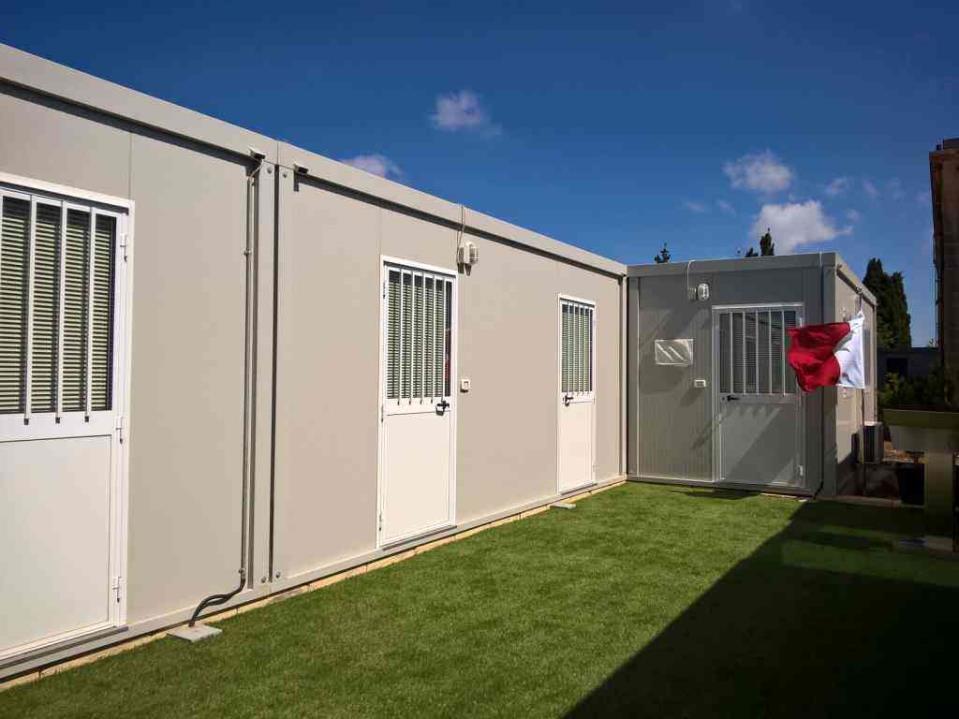
Mr Friggieri was speaking at the inauguration of new mobile officers at the Safi AFM barracks which will be used to provide information sessions and asylum application processing services to newly arrived migrants. The project was funded by the EU. The refugee Commissioner said that, while the number of boat people arriving in Malta has decreased drastically during the past couple of years, a new phenomenon has emerged. The number of people who sought asylum after caming to Malta using legal means, mostly by air and holding valid visas, has increased dramatically. Most of these migrants came from Syria and Libya but also included a number of Europeans, including nationals from former soviet states. There were also a number of Libyans who had been living in Malta and applied for asylum after trouble erupted in their home country.
Home Affairs Minister Carmelo Abela also referred to this new phenomenon. The Office of the Refugee Commissioner, he said, received a total of 1,459 asylum applications in 2014. 216 persons were granted refugee status, 940 were given subsidiary protection and 386 applications were refused.
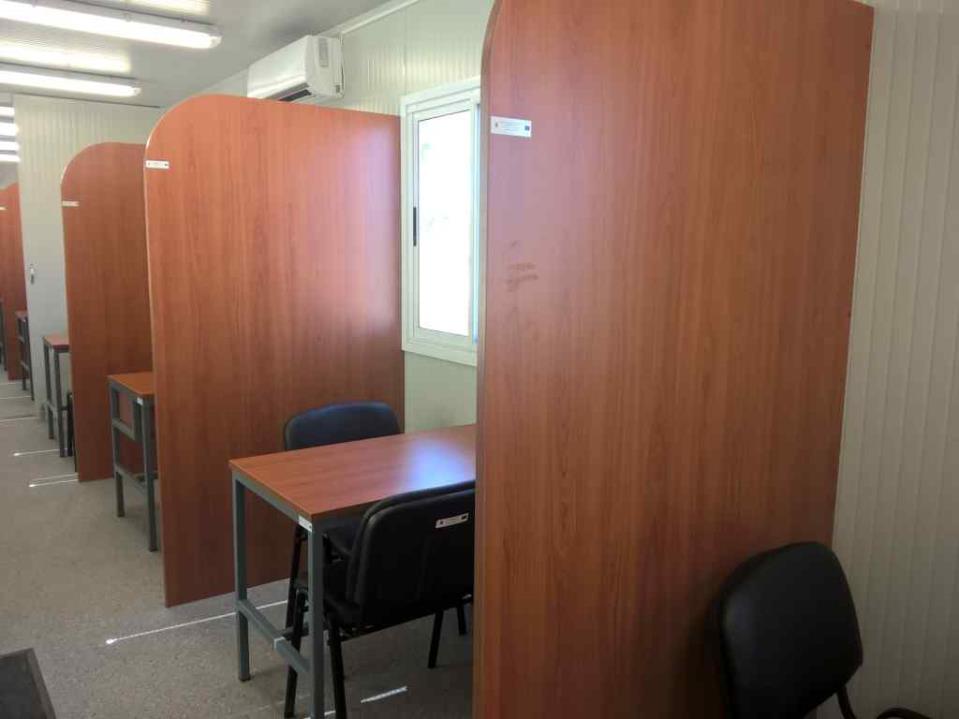
In the meantime, Mr Friggieri explained the process used in the information sessions for newly arrived migrants. The migrants are split into groups of six, according to the language spoken. They are shown a 7-minute audio visual feature provided in 11 languages. They are then informed about their rights and choices and are asked if they want to apply for asylum. The migrants are then interviewed by staff from the Refugee Commissioner’s office and cultural mediators and helped to fill the relevant forms. These sessions were previously being held in two separate offices, which were built in 2009, but which lacked space. More than 10,000 people have made use of the information sessions since their inception.
Mr Friggieri explained that the project also included staff training and the production of the A/V feature. The Office’s 19,000 files are also being digitised and refugee status cards are now being provided in the form of an ID card, instead of a piece of paper. The whole project cost some €300,000.
The Refugee Commissioner said other EU funds will also be obtained for other information sessions to be offered at the end of a process. These sessions will see staff explaining to asylum applicants if their application has been accepted or not, the reasons why and the possibility of appealing that decision.
Parliamentary Secretary Ian Borg said EU funds had not only been instrumental in strengthening the AFM's live saving capabilities but have also been used to improve Malta's reception and processing facilities. He spoke about the government’s political commitment to help anyone in need of protection, irrespective of whether they come by boats or plane. He also spoke about the ongoing EU negotiations on burden sharing and said the government was doing its duties but also ensuring that other member states did theirs.
Home Affairs Minister Carmelo Abela said the Office of the Refugee Commissioner has a central role in the migration issue. It has not only invested in these new offices but also in its human resources. He spoke about a meeting of EU Home Affairs Ministers he attended earlier this week and said that, although the talks were not easy, there were some signs of improvement. He said EU funds, such as those obtained for this project, were needed by the EU should not only offer financial support. It should also show solidarity and cooperation through the relocation of migrants to all member states and by helping countries facilitate the return of failed asylum seekers.