A musician who played with the National Orchestra for 35 years feels that his skills are being wasted after he was transferred from the Johann Strauss School of Music to an office job without being told why.
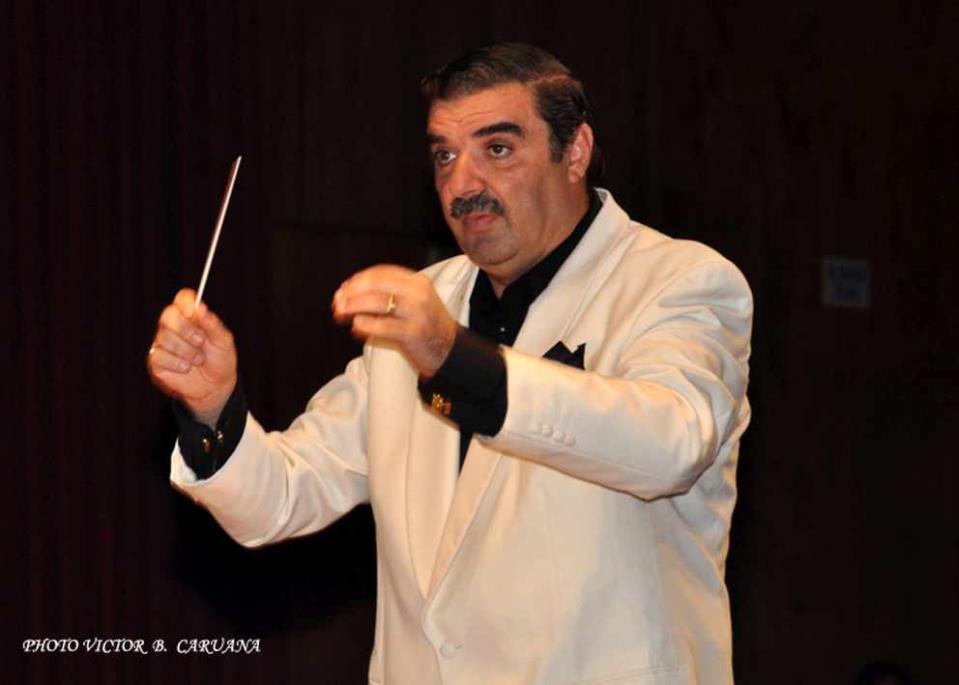
Emanuel Spagnol, himself the son of a music teacher, was the National Orchestra’s principal horn player for several years, and he also conducted the orchestra on several occasions. But last year, he had to unwillingly leave his job as a full-time musician after his teeth started to detach from his gums – the result of long hours of horn playing.
He was then transferred to the music school, only to be removed a couple of months later without a warning or an explanation.
In an interview with The Malta Independent on Sunday, Mr Spagnol explained that it all started one evening while he was brushing his teeth and noticed a loose tooth – which for a horn player is a sign of trouble.
He visited the dentist thinking that the problem could be easily solved, but following X-rays, the specialist informed him that the tooth had become detached from his gums, and what’s more, it was not the only tooth that has done so. The condition was not the result of poor dental hygiene, but, rather, the result of long hours playing the horn.
Mr Spagnol spent thousands of euros on implant treatments, a process that took over 10 months. But at the end of it, he still could not play in the same way he did before, and it was time to start considering a new career.
“I did not have many options because I had dedicated my entire life to music,” he explains.
Accepting the fact that he could no longer play his beloved instrument was no straightforward challenge and had a psychological effect on the musician, but eventually he had to think of ways to maintain his family.
He shared his story with Minister Evarist Bartolo and, following consultations, was transferred to the Johann Strauss School of Music. In January 2015, the directorate of the Life Long Learning Programme agreed that Mr Spagnol would be appointed artistic director of the music school.
His responsibilities included the coordination of special celebrations, the supervision of the reclassification process and running of the library, the conservation and storage of instruments, loan of instruments, set up of school resources and purchasing of school resources, among others.
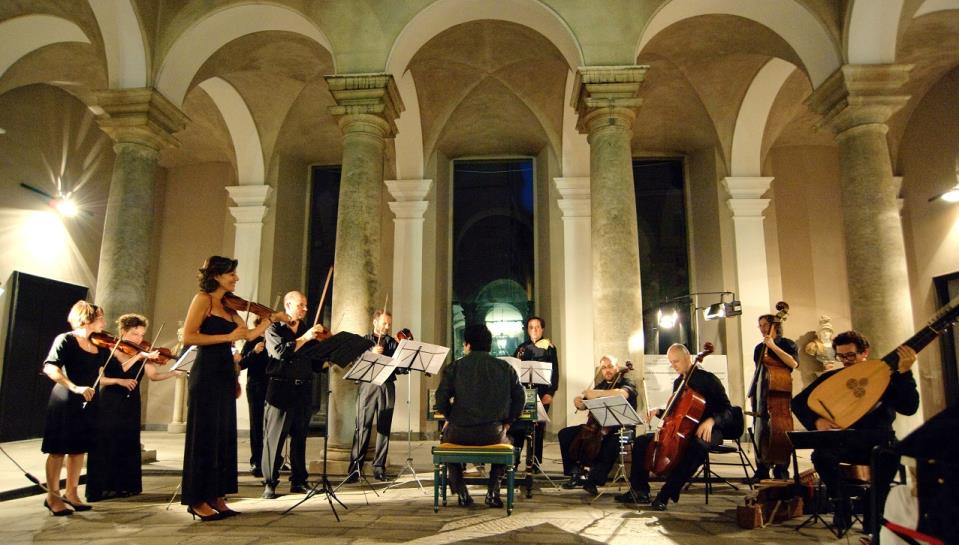
The musician was one of the first students at the school back in 1975, and even taught students there for eight years on a part-time basis. His enthusiasm for the school is evident. “The school has so much potential, there is so much we can do with it,” he says.
Mr Spagnol started preparations for the 40th anniversary of the school; bringing the school’s students into one orchestra and leading rehearsals.
But after a few months in the job, he started noticing that he was not being given tasks to do and he was, somehow, being put aside. He stopped being informed of events, concerts and meetings held at the school, and the 40th anniversary event he was coordinating was postponed without being given a reason.
In April, he was summoned to the Permanent Secretary’s office, who told him that he could choose where to work, except for the school of music. When he asked why he was being transferred, the Permanent Secretary replied that there was no work for him at the music school.
“I had no warning of this, and was given no reason why I was being transferred. Should you throw away 40 years of experience just like that, particularly when it is needed?” he questioned. “I don’t care about fancy offices, I am a musician at heart, and I want my skills to be used to the maximum potential,” he said.
Mr Spagnol voiced his concerns to various ministers, and also to Prime Minister Joseph Muscat, but his questions have remained unanswered.
He explains that he chose not to teach music because he believes a tutor should be able to play the instrument he is giving lessons in.
He has since been transferred to St James Cavalier, but despite being grateful for the opportunity, Mr Spagnol says he is not fit for an office job. Rather, he wants to put his musical knowledge and experience to the best use possible.
“I am not here to criticise or point fingers at anyone, but I do deserve a logical explanation why this happened,” he says.