Lengthy pre-trial detention is a problem in Malta whereby authorities occasionally confined foreign suspects for more than two years while awaiting arraignment and trial.
More than 20%of the prison population was in pre-trial detention until the end of last year, the US Department of State 2014 Country Report on Human Rights Practices in Malta shows.
The issue of pre-trial detention of foreign suspects, including American suspects, is a continuous bone of contention with sources having expressed concern many a time over the fact that foreigners endure a lengthy pre-trial detention period before their trial or case is heard, at times even denied bail. The courts in Malta normally deny foreigners bail out of fear that they abscond.
Sources with a legal background explained to this newsroom that one of the contributing factors leading to this is the fact that police inspectors have a dual role in Malta: that of investigating and prosecuting - which could at times lead to delays before the trial or sentencing is heard, exceeding the stipulated pre-trial time-frame.
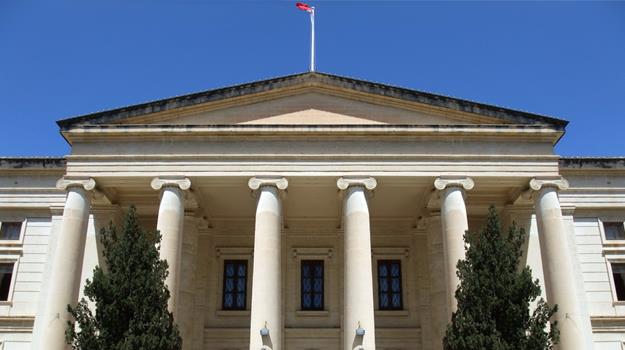
In 2013, Malta was found to have breached the human rights of a Lithuanian who spent 22 months in prison without trial, the European Court of Human Rights had ruled. Malta was found guilty of breaching Tomas Mikalauskas’s right to have the lawfulness of his imprisonment decided speedily after he complained about the excessive length of his detention on remand. It was also guilty of not bringing the accused to trial within a reasonable time or to release him pending trial. Mr Mikalauskas was detained in Malta on charges of possessing and trafficking 15kg of cannabis in September 2009.
A more recent ruling was made on May 29, 2014 after a judge ruled in favour of two Somali men who had not received a fair hearing within a reasonable time. The court awarded each applicant €5,000 in damages. The government appealed the sentence, and the case was pending at year’s end. The US report makes reference to this particular case.
The report also highlights Malta’s judicial delays in general.
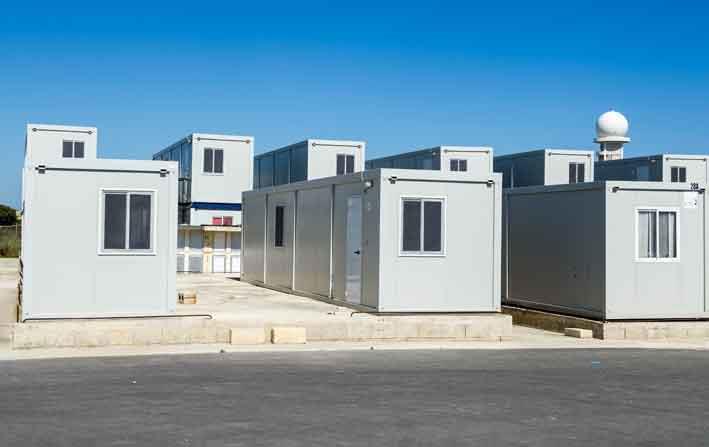
Report notes Maltese authorities renovated living quarters in open centres
The report noted that the authorities renovated living facilities in open centres – a positive aspect of the report.
“In response to a 2010 report by the UN Working Group on Arbitrary Detention indicating that the detention regime imposed on irregular migrants arriving by sea did not conform to international human rights law, the government undertook a number of improvements, including the provision of mental health counselling and social services for such migrants immediately upon their arrival,” the report read, listing this initiative in the report under ‘improvements’.
However, the report highlighted the negative aspect as well. “The government’s practice of detaining irregular migrants and asylum seekers from North Africa was the most serious human rights problem during the year, with strongest criticism directed at inadequate government programmes for integrating migrants into Maltese society,” the report said.
Worthy of note is the fact that recently, the newsroom reported Home Affairs Minister Carmelo Abela’s call on the Maltese public not to fear and resent the integration of migrants but to understand the phenomenon. Mr Abela shared his thoughts during the closing conference of a round table meeting organised by the Agency for the Welfare of Asylum Seekers (AWAS) where NGOs present shared concerns expressed by open centre residents following a number of information sessions with residents. The minister also highlighted that it is vital to give migrants who land on our shores good first-hand information which serves as a tool for integration.
He said that a debate on integration will soon kick-off and a successful integration process can only come about if migrants are better informed.

Prison and detention centre conditions
Prison and detention centre conditions generally met international standards. Poor conditions in government-run detention centres for irregular migrants persisted though. As for the independent monitoring of such centres, “the government permitted visits to detention centres by independent human rights observers, foreign diplomats, and the media”.
In some open and closed centres, high temperatures during the summer months and inadequate ventilation in prefabricated housing units contributed to uncomfortable living conditions. Delays in status determination and poor living conditions have led to riots among detained migrants.
Recently, this newsroom visited the open centre at Hal Far along with a BBC crew.
We reported that there are around 165 mobile homes lined up at the centre which are fully insulated. Each mobile home costs €10,000 and houses up to six persons. A centre employee said that 90% of the mobile home costs are paid for by the EU and the remaining 10% by the Maltese government. The cabins include basic cooking appliances and a TV set. This newsroom also noted the cleanliness and good hygiene practices used at the centre.
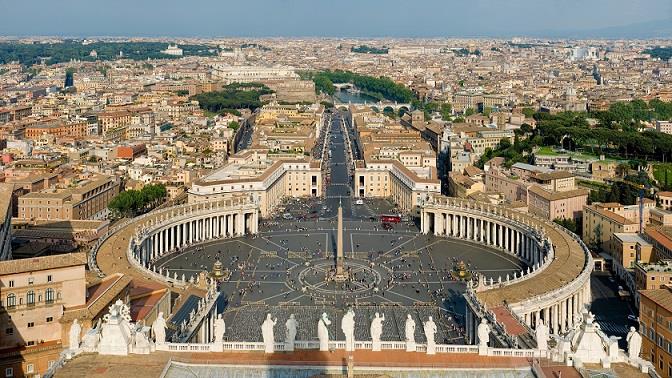
Vilification of the Roman Catholic Church
The report goes on to say that the law prohibits "vilification" of or "giving offence" to the Roman Catholic Church - the country's official religion. Also illegal, but carrying a lesser punishment, is vilification of or giving offence to any "cult tolerated by law," (essentially all religions other than Roman Catholicism).
However, last week, the government announced a new law which will see the complete removal of articles 163 and 164 of the Criminal Code, meaning that the vilification of the Roman Catholic Apostolic religion and other religions will no longer be a crime. The two articles made it illegal to vilify religion “by words, gestures, written matter, whether printed or not, or pictures or by some other visible means”. Those found guilty of vilifying the Roman Catholic religion faced a maximum punishment of six months imprisonment while those found guilty of vilifying other religions faced half the amount.
Arbitrary or unlawful deprivation of life
There were no reports that the government or its agents committed arbitrary or unlawful killings or any reports of politically motivated disappearances, abductions, or kidnappings.
The report noted that on February 14, 2014, the authorities amended the criminal code to prohibit corporal punishment in all settings, including the home.
Regional human rights’ court decisions
Through August, the ECHR delivered one judgment in a case dealing with asbestos exposure at the former Malta Drydocks Corporation. On July 27, the ECHR found in favour of the plaintiffs, who claimed violations of their right to life and right to privacy under articles 2 and 8 of the Convention on Human Rights.

Respect for freedom of speech, press freedoms
As for freedom of speech, the government “generally respected these rights”. An independent press, an effective judiciary, and a functioning democratic political system combined promote freedom of speech and press.
On freedom of the press, “the independent media were active and expressed a wide variety of views without restriction”.
Internet freedom
The government did not restrict or disrupt access to the internet or censor online content, and there were no credible reports that the government monitored private online communications without the appropriate legal authority. According to Eurostat statistics, approximately 79%of households had access to broadband and internet connections. However, only last week, The Times reported that Malta was looking to purchase “hacking software” – a remote-controlled system which enables interception into computers of its targets. The software was being promoted during a counter-terrorism fair in London. Interestingly, the firm which sells the software – Italian firm Hacking Team - was itself a target of hackers and e-mail exchanges between representatives of the firm and potential clients were published by Wikileaks. The firm is described by Reporters Without Borders as the “enemy of the internet”.
Reacting to the newspaper’s report, Home Affairs and National Security Ministry said: “As is normal practice, personnel attending such conferences contact possible suppliers of products and services that appear to be of interest. In this case, an e-mail requesting unacceptable conditions was ignored. No contact was made with named company.”

Participation of women and minorities
On April 4, a woman President was appointed - the second in the country's history. Four of the six representatives elected to the European Parliament in May were women. There were nine women in the 69-seat parliament and two in the 23-member Cabinet of Ministers. Approximately 13%of senior government officials were women. Five of the 23 judges and 11 of the 21 magistrates were women. There were no members of minority groups in the government.
Discrimination
The Ministry for Social Dialogue, Consumer Affairs, and Civil Liberties, and the NCPE are responsible for gender equality. These entities focused on broader integration of women into society and provided advice to the government on the implementation of policies to promote equality of women and men. On June 3, parliament amended the Equality of Men and Women Act implementing the principals of equal employment opportunity.
Women constituted a growing proportion of graduates of higher education and of the workforce. Nonetheless, they remained underrepresented in management and generally earned less than their male counterparts. Figures on the wage disparity between women and men differed moderately. Eurostat reports showed the gender pay gap for 2012 was 6.1 percent. According to Eurostat, in 2013 the female employment rate was 47 percent, compared with 74 percent for men.
In April, the government introduced free child-care centres. The media reported that as of May more than 2,000 women applied to use the service.
On April 17, parliament amended the constitution to "introduce immediate protection" from discrimination on the grounds of sexual orientation.
On August 1, authorities amended the criminal code to widen the scope of offences related to homophobia and racial hatred.
Corruption and lack of transparency in government
The criminal code provides criminal penalties for corruption by officials, and the government generally implemented these laws effectively. There were isolated allegations of government corruption during the year.

Public access to information
In adherence to the law, the government established procedures to provide members of the press information to help them "fulfill their public tasks." The government has not defined the scope of this mandate. The government did not allow access to government information in matters of public interest, security, or court proceedings in progress. Authorities generally granted access to government activities not subject to disclosure under the law.
The law establishes the right to request information held by public authorities with a few exceptions, such as national security or internal court working documents.
Ombudsman
In responding to wholly or partly justified complaints, the ombudsman submits recommendations to the public entity responsible for addressing the complainant's grievance. The ombudsman has no power to impose or compel a remedy, but relevant public bodies accepted most of the ombudsman's recommendations.
The government set up internal review boards in the Armed Forces and the state energy company to address alleged injustices. In August 2013, the ombudsman stated he would hear grievances from the Armed Forces and the state energy company after the boards concluded their reviews; the ombudsman and the armed forces did not resolve the issue of jurisdiction during the year.
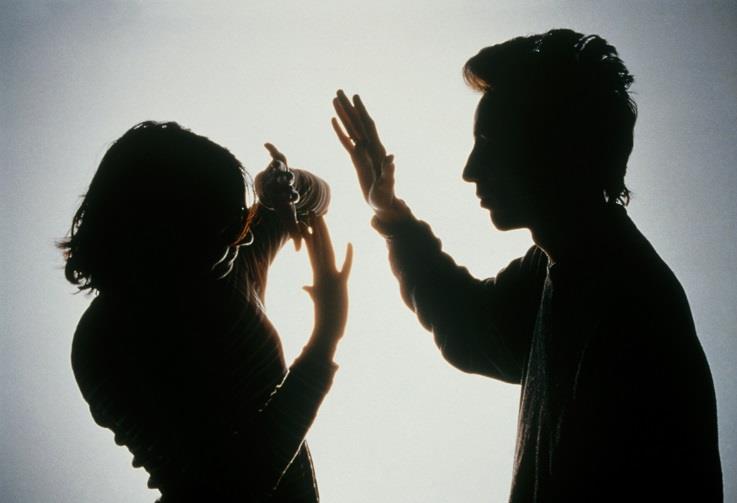
Domestic violence
A special police unit and several voluntary organisations provided support to victims of domestic violence and all forms of gender-based violence. A hotline existed to assist victims of abuse through counselling and shelter referrals. The Ministry for the Family and Social Solidarity was responsible for a government-supported shelter for women and children. The government also provided financial support to other shelters, including those operated by the Church.
Forced labour
The government took some steps to prevent and eliminate forced labour and acted quickly to investigate and address complaints.
Although there were no official cases of child labour reported to ETC during the year, underage children reportedly worked as domestic labourers, restaurant kitchen help, or vendors and in family-owned businesses during the summer.
Industrial accidents remained ‘frequent’
Industrial accidents remained frequent, particularly in the manufacturing, and building and construction sectors.
To view full report visit: http://tinyurl.com/pzetebz