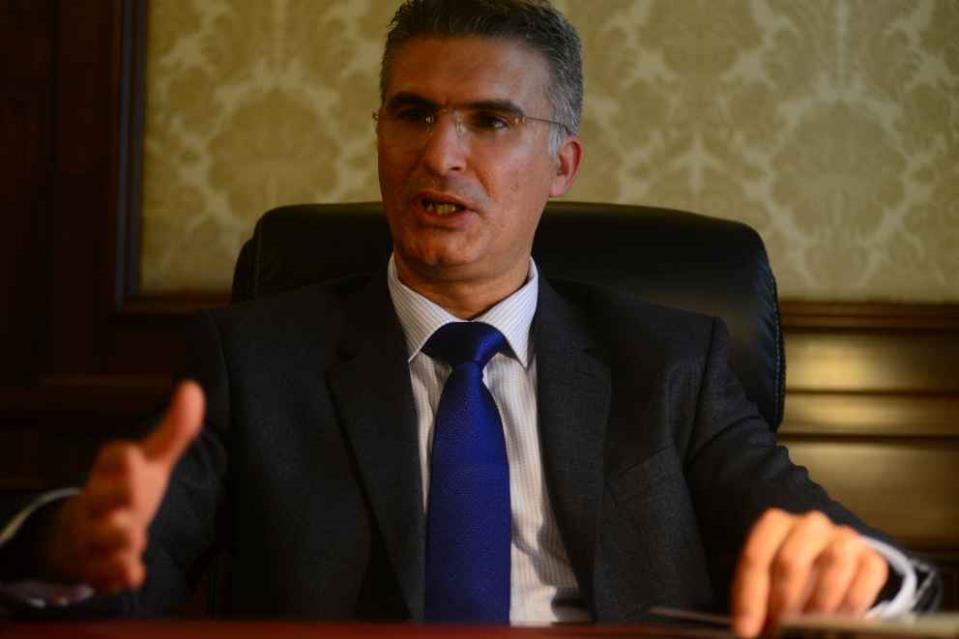
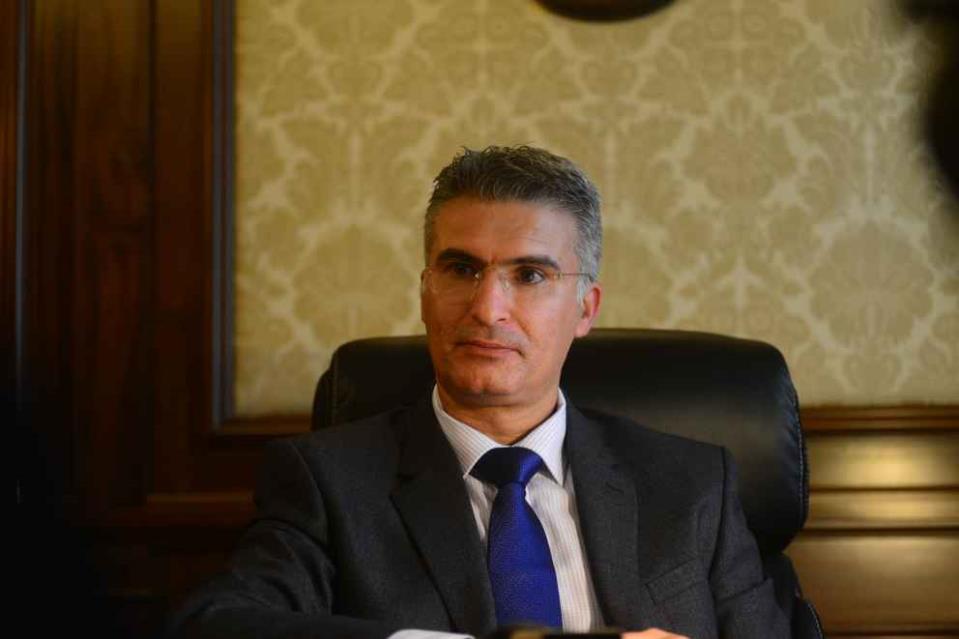
Home Affairs Minister Carmelo Abela tells this newsroom in an interview that he does not believe Ministers should order police investigations, when asked whether an investigation is underway into the Panamagate scandal.
Energy Minister Konrad Mizzi, who was found to have a company in the secretive jurisdiction of Panama, has been at the centre of a scandal ever since accusations were made against him just before he was elected to serve as the Labour Party’s new deputy leader.
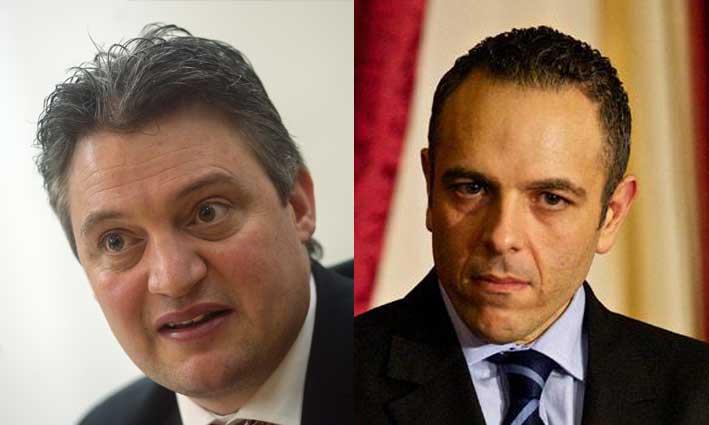
Earlier this week, the police told this newsroom that they have not launched any investigations into government-approved contracts that Energy Minister Konrad Mizzi and the Prime Minister's Chief of Staff Keith Schembri were involved in, despite the Opposition’s call for such an investigation.
In an interview held prior to the release of that information, Mr Abela, asked whether he knows of any investigation into the Panamagate scandal, said: “I have been a Minister for 15 months. Where investigations are concerned, it is not my role as a Minister to either order or intervene in any investigation. The police are free to investigate everything they feel they should investigate where there is merit for such an investigation. I do not issue orders to the Commissioner of Police as to what to investigate. You won’t hear statements similar to what former Prime Minister Lawrence Gonzi used to make, telling the police commissioner of the time what to investigate.
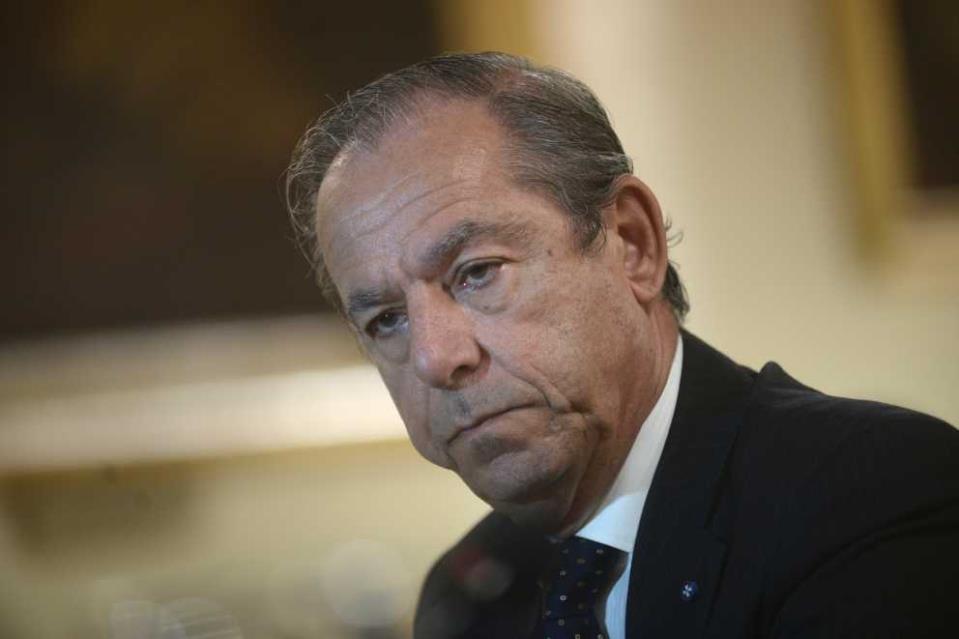
“It shouldn’t be politicians who order police what they should investigate, otherwise it would mean that when a politician does not tell them to investigate, they won’t, and that is a mistake”.
Asked whether he believes an investigation should take place, he said, “If I give my opinion, it would be as though I am giving some form of direction. I feel that the police are at liberty to investigate whatever they feel they should investigate.”
Minister Abela said he found out about Minister Mizzi’s Panamanian company through the media.
Nothing similar to a SWAT team in Malta
Given the recent spate of terrorism acts in Europe, the Minister was asked about the kind of anti-terrorism and SWAT training the Rapid Intervention Unit (RIU) receives.
The Minister said that the scope of the RIU is to have more presence on the street, adding that these are officers who are able to respond to calls for help quickly. “These are over and above the number of district police officers. As for training, I feel that more work is needed, not only in the RIU but in all of the disciplinary corps. There is a disciplinary corps where a favourable training mentality exists, and we need to strengthen it and improve coordination. There are others where we need to begin from scratch.”
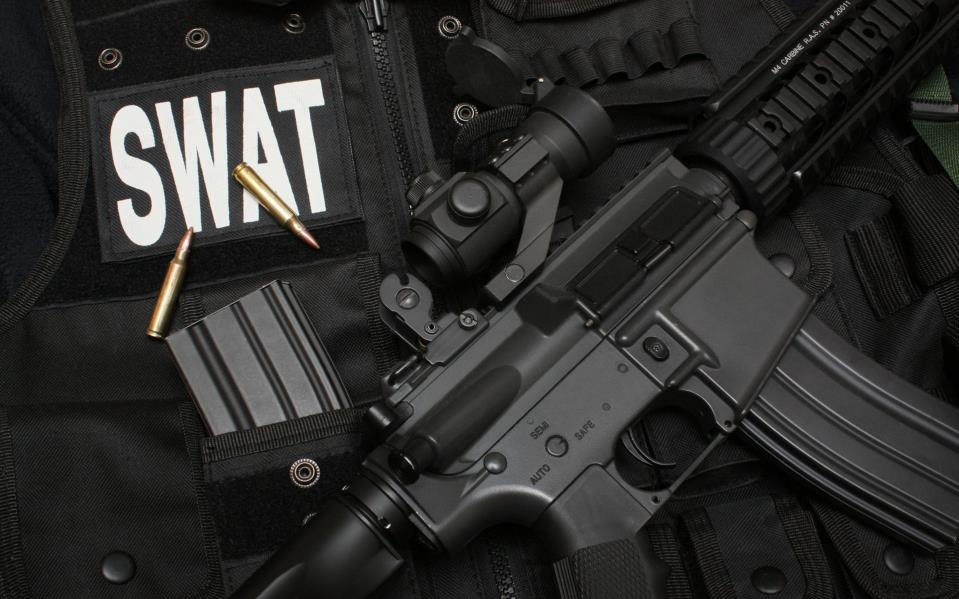
Asked whether Malta has anything similar to a SWAT team, he said it does not. But, he added, “There was a group of police officers, who form part of the RIU, who undertook intensive training as a SWAT team in the run-up to the Valletta Summit and CHOGM held in Malta”.
As to whether Malta should move forward with a separate SWAT team, or have part of the RIU continue to train in such a manner as was the case before, he said this is an issue that should be discussed as part of a reorganisation or development that could take place in the Police Corps. “I think we should discuss it and keep it as an option.”
Following the recent heinous attacks in Brussels, the Minister described the incident as “a dark day for Europe”.
“This is a moment of anguish, a moment that must unite us Europeans together against every form of terrorism. While there have been no threats made against Malta, we are still strengthening our security in strategic locations as a precaution.”
As a deterrent, he said, a number of measures have been taken, including strengthening security forces. “The number of Rapid Intervention Unit, K-9 unit and soldiers has been increased in the airport, the zone surrounding it as well as the seaport.
“We are continuously monitoring the situation and taking the necessary action. We must keep in mind that the aim of terrorists is to create fear, and disturb our everyday routines. We must remain strong and focus on combating threats as a unified Europe, and a unified world.”
He recently attended an extraordinary meeting of the EU Home Affairs Ministers in Brussels, and “united, we condemned attacks against innocent people, while expressing the solidarity of the Maltese people with Belgium, and all those touched by this tragedy.
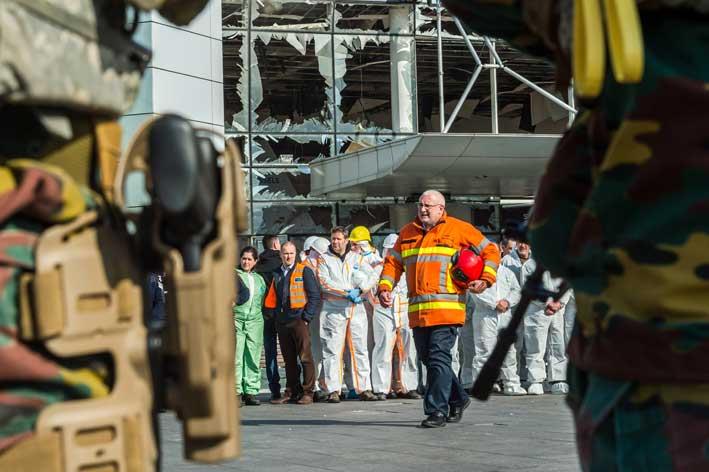
“This was an attack against European values and we need to join forces as Europeans and show solidarity.
“During the meeting, the EU ministers committed themselves to accelerate the realization of a number of measures designed to make continued progress in the fight against international terrorism. Ministers also unanimously adopted a declaration listing a series of measures that the EU will finalize as soon as possible.”
Minister Abela welcomed the text of the joint statement, adding that Malta is fully committed to doing its utmost to cooperate with European and international partners to identify and eliminate international terrorist cells and financing. The Minister concluded by saying that Europe needs “to make a collective effort not to allow terrorists to remain one step ahead of us”, adding that this not only means improving security at Europe’s external border, but also flushing out all terror groups already inside the EU.
The police need more resources
Over the past years, newer forms of crime have emerged, such as cybercrime and more in-depth forms of financial crime. Asked whether the police needs more resources and manpower to tackle these issues, he said, “Obviously yes, despite the goodwill and hard work of the police corps. It’s obvious as, even when speaking at European level, the issue of cybercrime hits a number of countries and not a single state. Criminals, especially in crimes involving millions of euros, do not work within the confines of a nation; in these kinds of crimes, he will steal from wherever he can.”
He stressed the need for more cooperation between EU states in these cases, which naturally means more organisation at a national level.
The Minister described a budgetary proposal where professionals, who do not form part of the police force, could help in certain kinds of crimes.
Turning to financial crime, the Minister said, “I believe we should keep an open mind as regards involving civilians. Obviously there would need to be safeguards, however I think we have to try and change the culture, and have more civilians in the corps.”
AFM officers and companies
This newsroom had previously revealed that Stephen Ciangura, a serving member of the AFM who has been seconded as a personal chauffeur to MCST Chairman Jeffrey Pullicino Orlando, is a 99.9 per cent shareholder in a security company Executive Security Services Ltd and was never given approval to perform any private work. It was also revealed that recently retired Colonel Claudio Spiteri, the former commanding officer of the AFM’s Air Wing, was listed as being the sole director, shareholder and legal representative of Personal Security Services Ltd, registered in 1998, and Vigilante Security Services Ltd, registered in 2003.
Asked for his reaction, regarding news that AFM officer Stephen Ciangura and former AFM officer Claudio Spiteri were involved in security companies, Minister Abela said, “I’m going to focus on the general situation rather than individual cases. If someone wants to do part-time work while forming part of the disciplinary corps, that person must follow clear procedures. It is up to each disciplinary corps to move according to procedure. In fact the police commissioner had sent a memo some time ago saying that anyone who has part-time work must declare it and must acquire the Commissioner’s permission, and the same must be done within the AFM and AFM leadership. It is the same for the armed forces. Therefore, disciplinary corps members cannot do part-time work without prior approval, or if it is clashes with their official work. This is the policy and one must follow policy.”
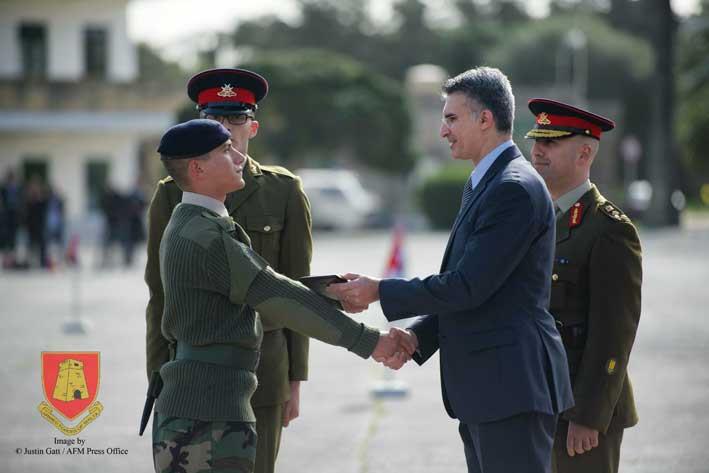
An AFM member can, if permission is granted, there is no conflict of interest, and of course as long as there are no illegalities involved, owns a licence to run a business in his name, and run it himself, as long as no private work takes place during AFM working hours.
One is also at liberty to invest his or her funds wherever they want, as long as this is not linked to any illegal activities. If an officer holds a position, or have some form of executive position in a company, the person must obtain permission beforehand.
“Members of the Armed Forces are not, however, able to obtain licences to work as security guards,” this newsroom was told.
Turning back to the two cases mentioned to him, the minister said – “Just to be clear, one of the two people you mentioned (Claudio Spiteri) is no longer with the Armed Forces and the other (Stephen Ciangura) is not conducting AFM work at the moment.”
Asked whether Mr Ciangura is still employed by the Armed Forces, the Minister said, “I think he’s on the books with the AFM; however he is not working with the AFM right now and has not done so for around three years.”
Asked whether any action is being taken against the two AFM officers, he said, “I have not been informed of any action being taken. One of them, as I said, is no longer part of the AFM, and the other one does not directly work with the AFM right now.”
Oil smuggling
Turning to oil smuggling, Minister Abela said that the concerned authorities investigate each and every report, both on oil smuggling and on other issues involving on-goings in the Mediterranean. “Are these things we advertise on newspapers, definitely not. Investigations can take their time and are not necessarily quick to conclude, however I assure you that investigations are taking place. Sometimes one would need more information… but everything whether tied to oil smuggling or something else, will be investigated by the concerned authorities.”
As for international collaboration, the Minister explained that at EU level, one of the things stressed is the importance of information sharing. “Many a time, situations could affect multiple countries, so collectively we are responsible to share information. From our end, information we have, we share with other entities and foreign agencies.
“In today’s world we cannot work individually, especially since there are multiple countries affected by diverse illegal activities.”
The Minister explained that there is no specific special unit set up to tackle oil smuggling and he does not believe one should exist. “Like oil smuggling, there could be arms smuggling, or people smuggling. I don’t think our country can afford a specialised squad on a single type of criminal action. The disciplinary corps work together and that is important.”
The Minister was also asked about migration. Given that the recent EU-Turkey deal could result in new migration routes opening up, or perhaps an influx of irregular migration through the central Mediterranean route, he was asked what Malta is doing to prepare for such a possible influx.
“Prior to last week’s EU Council, EU Interior Ministers met and discussed the Turkey issue,” he said.
While stressing the issues affecting the Turkey route, and its value as a strategic partner in tackling the migration situation in that area, he said: “Tackling that route automatically puts other routes in question, and this is not just the southern and central Mediterranean. While we want an agreement with Turkey, we must keep our eyes on other routes. As with Turkey, we must be ready to tackle other routes.

“Are we prepared enough? If for example, 500,000 people were to leave Libya, which is more than Malta’s population, I don’t think Malta would be expected to accommodate 500,000. Discussions in the Interior Ministers Council centre on how one country can help another. Right now, the agreements reached last year focused on helping Italy and Greece as they have been the most affected, including through the relocation of migrants. We have even sent a person to Italy to help in one of the hotspots with the registration of migrants. We did the same with Greece, where we sent two people”.
As for EU finances, and whether Malta could expect more should there be an influx, the Minister said, “I don’t think it’s just a question of finances. It’s also a question where the EU would need to show solidarity and share refugees among the member states. I am comforted by the fact that the EU is conscious of what Malta has done over the years. What we can give we are giving, and if we are hit by an influx which we would not be able to deal with, I am comforted by statements made that the EU would come to our aid.”
Criticism of theft crime rates
Turning to crime rates, he said that the latest analysis of the statistics would soon be available. He criticised statements that theft is increasing. “This is not the reality. When I hear Opposition statements in Parliament without figures being mentioned, I automatically go and check whether this is true. A few weeks ago, when the Opposition said that theft was increasing, it turns out that from 11 categories of theft crimes, nine of them, when comparing the 2015 full-year statistics with the 2012 full-year statistics, have dropped, and this includes household thefts. One category remained the same, and the other saw a rise in pickpocketing. Now we know that there was a group of foreigners who came to Malta, and pickpocketing statistics rose, especially in Sliema. Thankfully, these people were caught and the situation returned to ‘normal’ levels”.
“I will never be content with just saying this, and we must make every push to reduce criminality in every way possible. We cannot however, have someone like the opposition creating alarm saying crime increased without providing figures. This is why I checked and hopefully in the coming days we will have this discussion. I made the comparison to 2012 not to start attacking each other, but to see where progress was made, where things got worse and where more work needs to be done in order to see where the police need to focus their resources.”.
CHOGM cars still sitting in the police academy
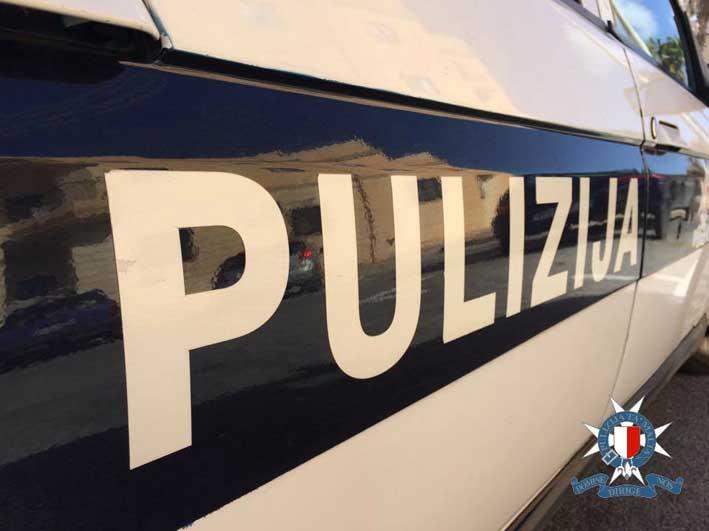
There are 36 cars, which were bought to be used during CHOGM, still sitting idle at the police academy, the Minister confirmed. The cars cost around €400,000. Work being undertaken will transform them into police cars. “There are internal procedures that must be observed, otherwise problems would arise if they are not followed. Unfortunately this process has taken longer than normal. It seems things are moving and I will be very pleased when they start being used.” He said that at least four cars are being used.

The Minister said he was not given a particular date or period as to when they will be ready. The work being carried included spray painting, installation of lights, stickers, and so on.
He said that there is always a need for more cars.
“Sometimes we are criticised for not having a car in a particular station. In fact they would have one, but was being used on other police work where, for example, a report is filed and the car in use there.”
The district police, however, do work together and if a car is idle, it is used for other cases if needed, he said.