Home Affairs Minister Carmelo Abela outlined the progress made so far in the government’s efforts to reform the youth correctional system, which does not only include investment in new facilities but also a change of mentality and new rehabilitation programmes.
Mr Abela was speaking during a visit to the Young Offenders Unit Rehabilitation Services (YOURS) facility in Mtahleb. The facility is being enlarged and a new block will create much needed space for therapeutic care, workshops, classes, visitor rooms, new showers, a library, a gym and games rooms. The project, which is co-funded by Norwegian funds, costs €1.5 million. The facility will shortly start receiving female inmates.
“All youths should be given the chance to succeed in life, including those who brush with the law at a young age. We have been committed from the start of this legislature to give them dignity and attention needed after the rough experience they went through. Unfortunately many are early school leavers and find it difficult to find a job after they get out. Others come from damaged families and unstable environments. Some come from criminogenic families, and this makes is more difficult for them to be aware of their criminal actions,” Mr Abela said.
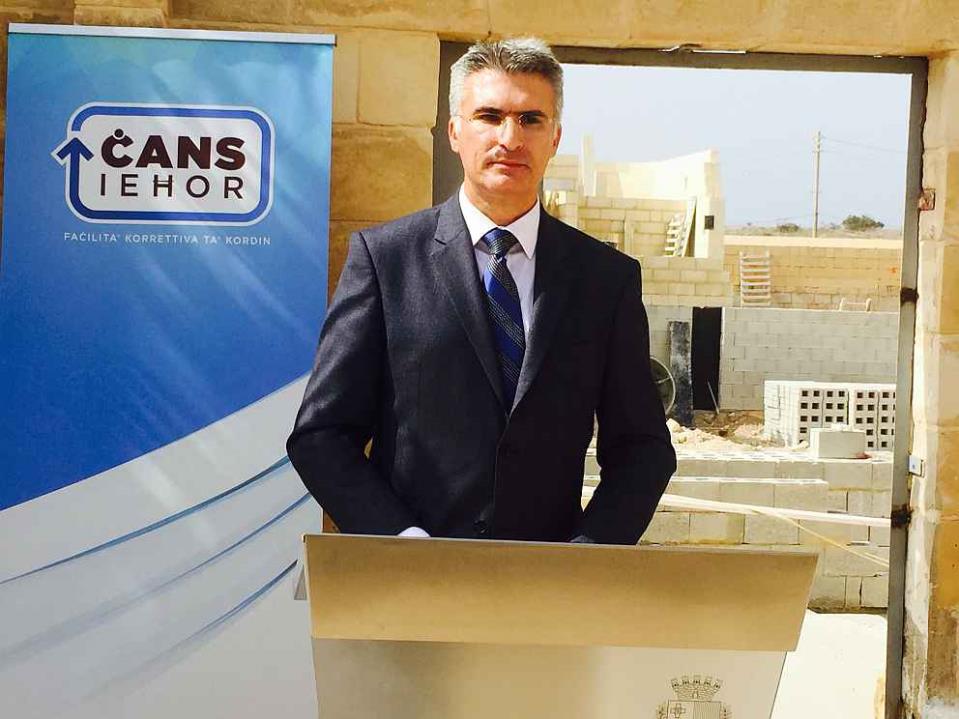
“We started by acknowledging that keeping persons under the age of 21 at the prison in Corradino or Mount Carmel was unacceptable. Under-21s are now being sent to the betted adapted correctional facility in Imtaħleb. At the same time we started giving more attention to their skill development and started new rehabilitation programmes.”
The minister said there are currently 17 persons residing at the facility, the youngest being 16 and the oldest 20. 10 are Maltese nationals while the others are foreigners. Their crimes vary from aggravated theft to possession and importation of drugs to causing grievous bodily harm. A number of residents have behavioural or psychological problems or have a drug or gambling habit.
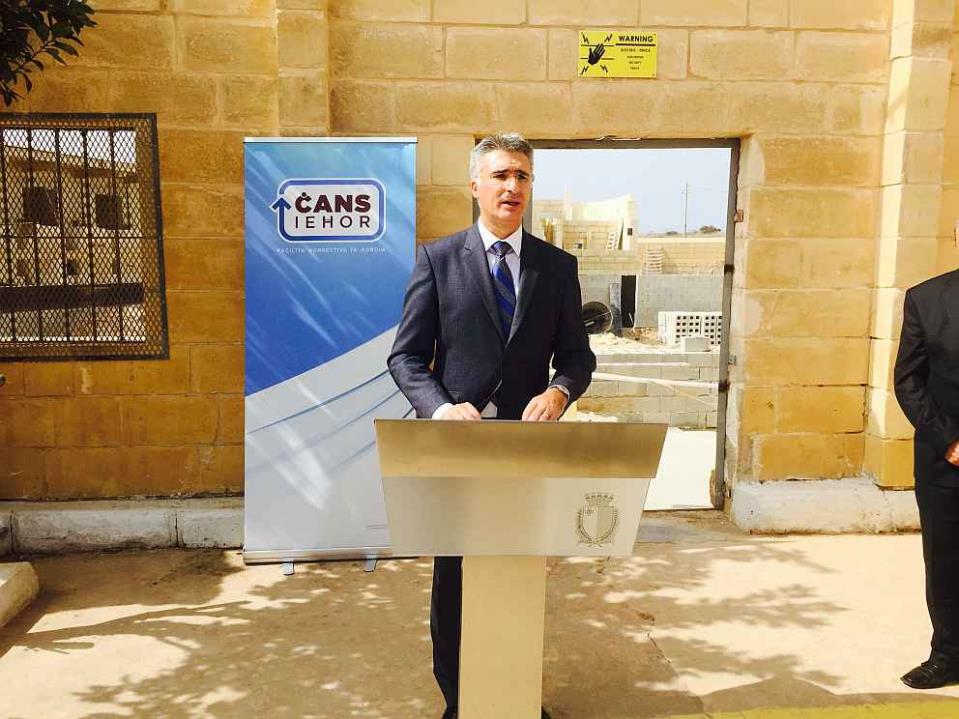
“One finds that these youths do not realise what the consequences of their actions are and blame the system. The sense of anger and disappointment they harbour against everything and everyone leaves them trapped in this unfortunate situation. As such we realised that we needed to top our game. “
Mr Abela said recruitment calls for professionals and correctional officers were issued earlier this year.
The situation of the inmates is now being analysed by a care-plan coordinator and a team of professionals and a care and action plan is drawn up. “We are focusing on the individuality of each person.” Inmates are also being offered the services of a psychology assistant and, where necessary, they are made to follow Caritas and Sedqa residential programmes. The Social Services Department and Jobs Plus are also being roped in to help the inmates find accommodation and a job once their sentence is up.
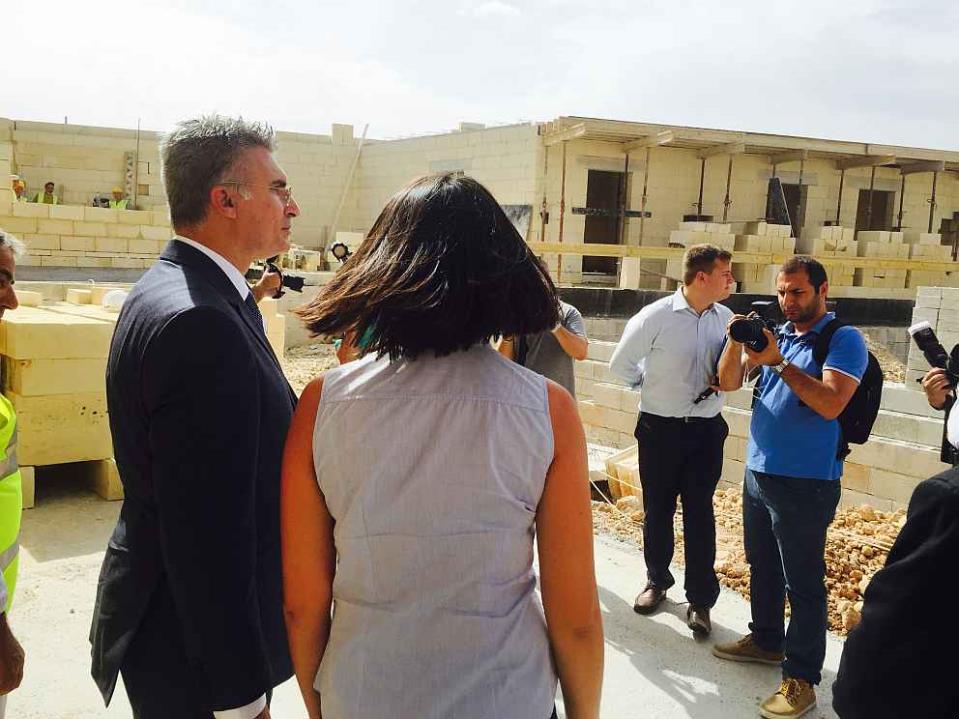
The next project will be to reform the youth prisoner correctional sector. Men and women under the age of 21 will be serving their sentences at the Centre of Residential Restorative Services, away from the main prison. The reform will be based on Education and Therapy, training for correctional officers and the expansion of the youth correctional facility, with separate branches for men, women and persons with disabilities.
“While we believe that the physical environment is important, our emphasis remains on the behavioural progress of these youths – that they leave here determined to never again set foot in the police HQ, the courts or the prison. Our message is that we believe in you and want to give you the chance to get back on your feet,” Mr Abela said.