The Upper Barrakka Lift
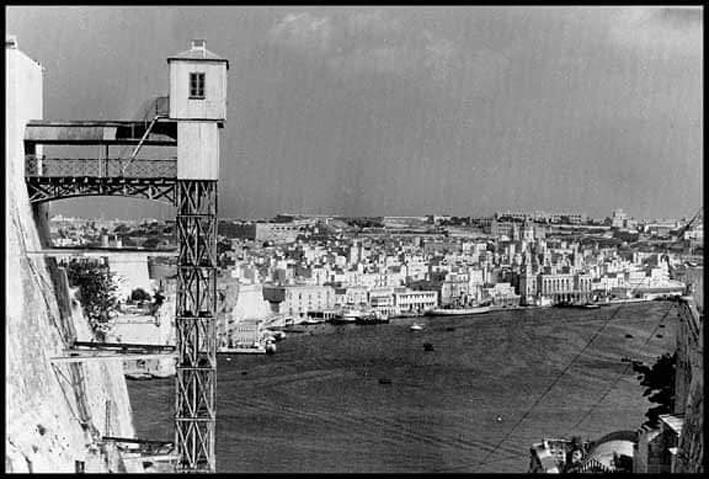
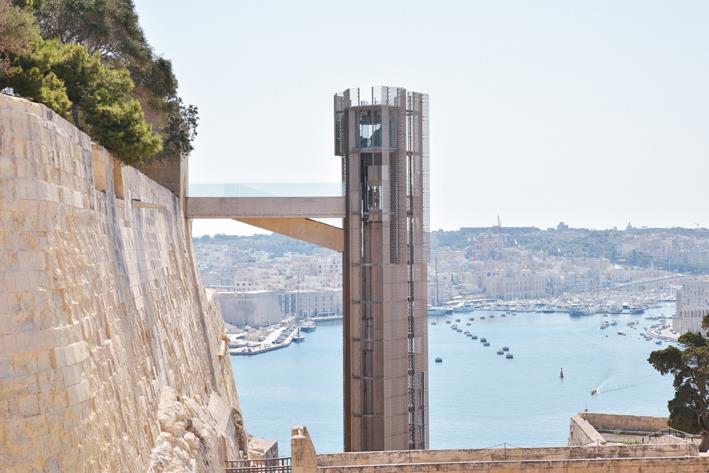
The Upper Barrakka Lift was first opened in September 1905 at the cost of a whopping £5,000. It incorporated two cabins, each capable of carrying 12 passengers and rose through 75 tonnes of steelwork up to a height of 167 feet and 7 inches. It remained in service until February 1973, when it had to close following a drop in revenue which came as a result of the privatisation of the dockyard and the gradual withdrawal of British servicemen from the island. It was eventually dismantled ten years later, in 1983 before being reconstructed and inaugurated in its current iteration in 2012.

Valletta City Gate
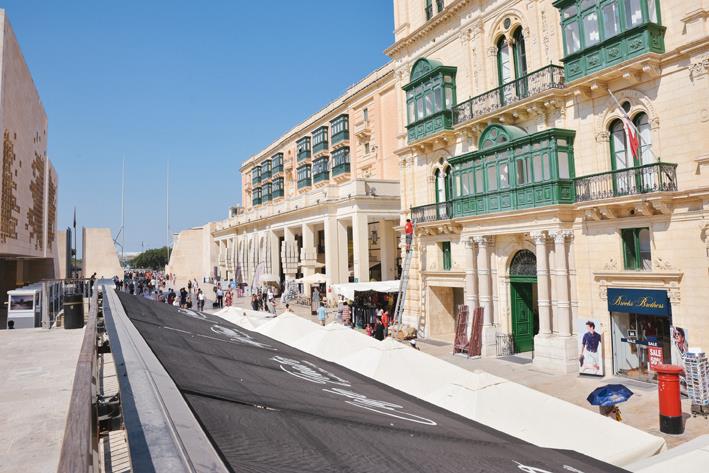
Renzo Piano’s design for the entrance to Valletta is the fifth gate in the city’s half-millenium history. The first gate was known as Porta San Giorgio and was completed in 1569. It was apparently quite plan in its design and was simply an opening in the fortified walls. It was replaced in 1633 with a gate which is generally attributed to Maltese architect Tommaso Dingli, and which consisted of a central archway with a smaller arch on either side and a wooden drawbridge across the city’s ditch. The drawbridge that is believed to have been part of this gate is now exhibited at the Fortifications Interpretation Centre in Valletta.
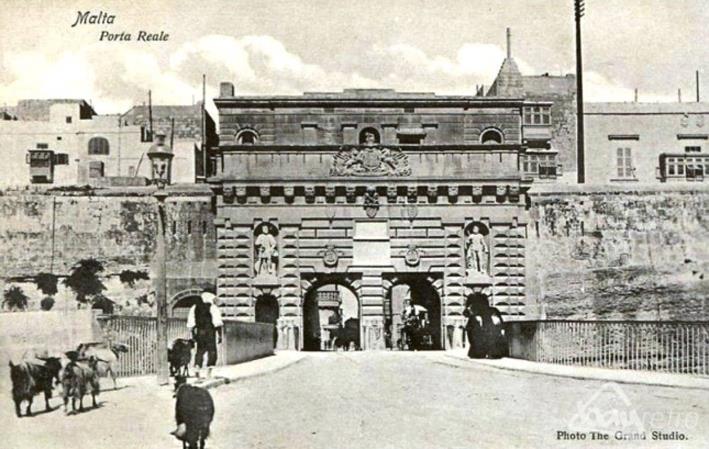
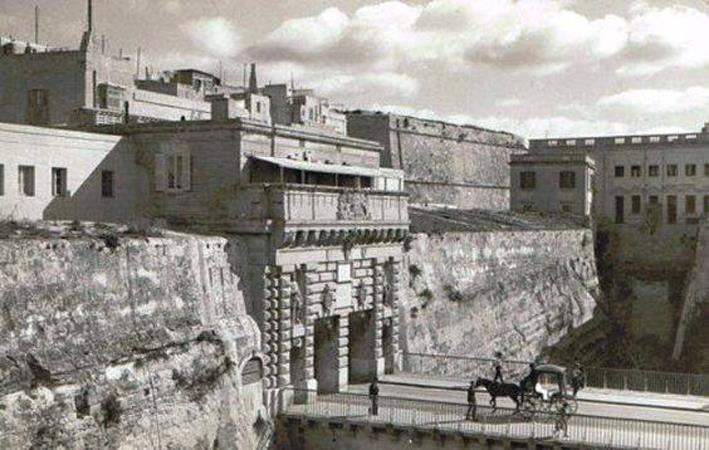
The third, and perhaps most iconic, gate design was Porta Reale – or Kingsgate as it was known to the British – and is pictured here. It was built in 1853 and designed by Colonel Thompson of the Royal Engineers, consisting of two central arches with a smaller arch on each side. By the early 20th century however, the gate had become too small to cope with the influx of people entering and exiting Valletta on a daily basis. It survived the war with little damage, but by the 1950s the first plans to redevelop it and the Royal Opera House were made. These were revived in 1962 by then Prime Minister in 1962. The gate was pulled down in June 1964 – only three months before Malta became independent.
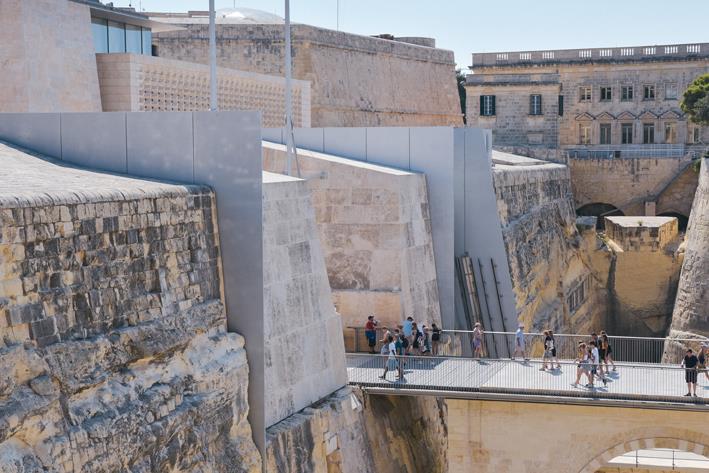
It was replaced by a gate design by architect Alziro Bergonzo, who followed the Italian rationalist style. It was controversial at the time of its construction, with the general public having mixed opinions on the gate. In March 1965 in fact, when construction of the gate was underway, the Chamber of Architects described its design as an "architectural flop". Renzo Piano first made an attempt to redevelop the entrance to the city in 1988, but his project was shelved by 1992. Piano however was re-contacted in 2008, with his plans revealed a year later. Construction began in 2011 and was completed in 2014.
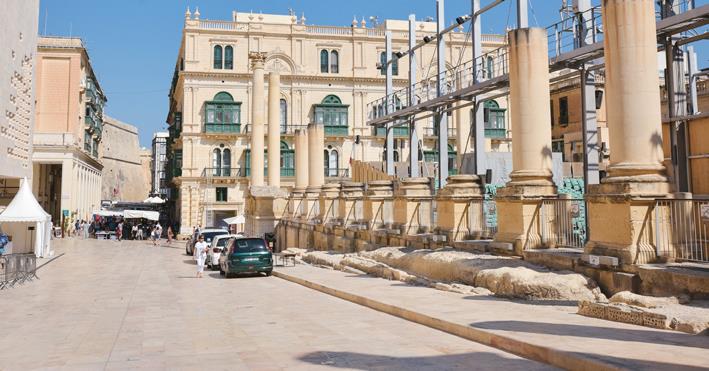
The Royal Opera House
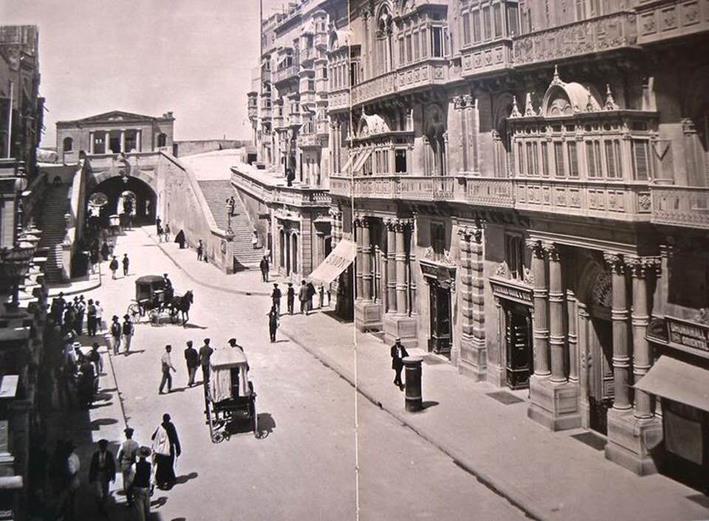
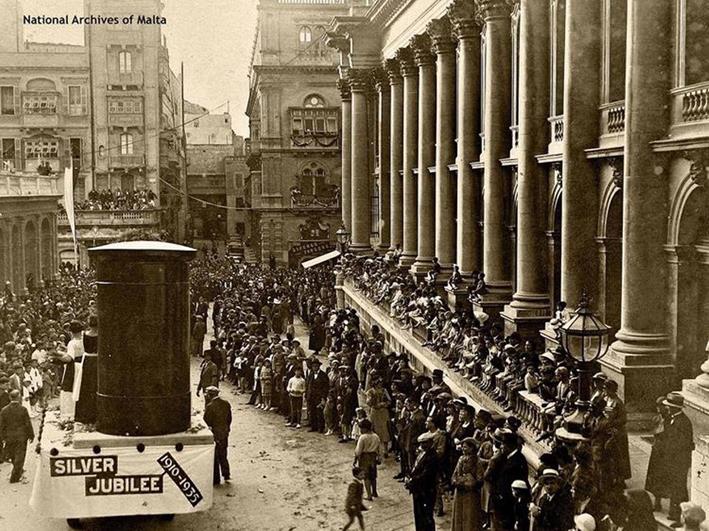
Designed by English architect Edward Middleton Barry and built in 1866, the Royal Opera House was one of Valletta’s most startling centrepieces. It remained active – save for a four year period between 1873 and 1877 when it was extensively damaged by a fire – until 1942, when it took a direct hit during the bombings of World War Two, frequently being the centre of celebrations. This picture shows people gathered around the Opera House in 1935 for the Silver Jubilee celebrations. Several plans to rebuild the Opera House from its ruins fell by the wayside over the years. The ruins were eventually re-designed by Renzo Piano as part of the City Gate project, and it was re-opened in 2013 and an open-air theatre, a role which it still has today.