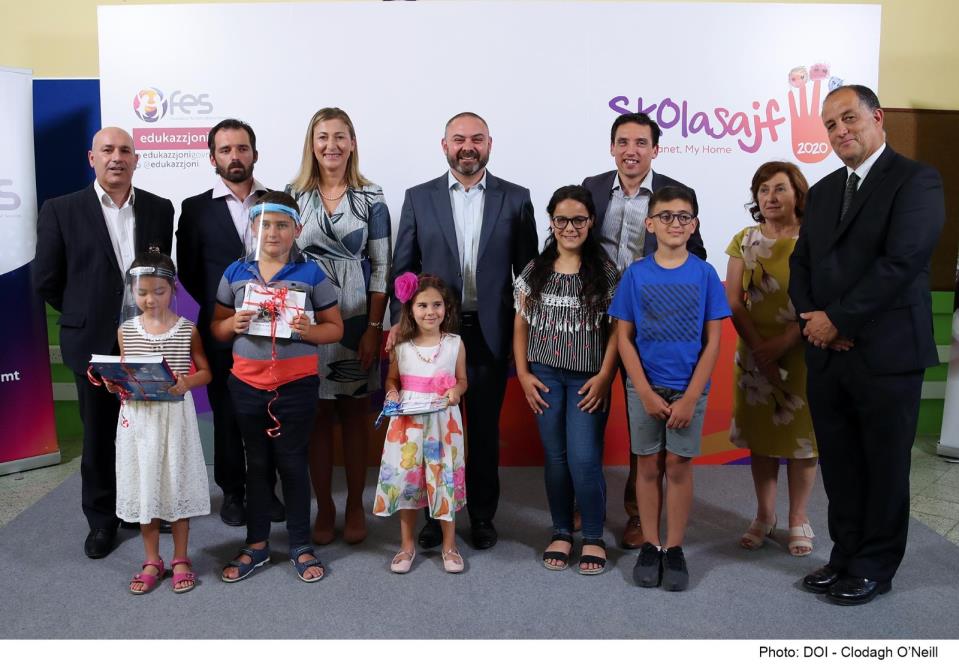
SkolaSajf opened its doors on Wednesday as it aims to bring a sense of routine back to children's lives.
A total of 7,849 applications were received, with Education Minister Owen Bonnici saying that the number of applications is a show of faith by parents in the work that the education authorities have carried out.
SkolaSajf will be held in 55 centres across Malta and Gozo with a total of 1,607 people employed with the project.
Bonnici said that the programme opening is staggered over three days - with half the applicants starting from Wednesday, and the remaining spread across Thursday and Friday.
He said that Malta is a model for how the education sector should operate in times such as this.
"Others can call us fat, but they cannot say that we aren't prepared", Bonnici said, referring to British Prime Minister Boris Johnson's recent remarks on Malta's obesity levels.
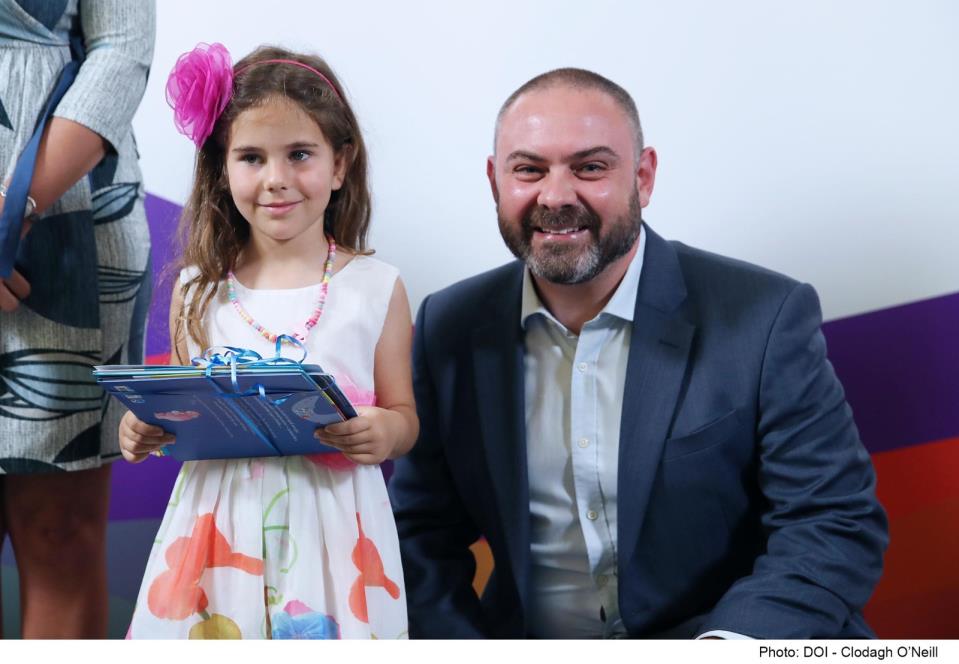
"Seeing the smile on the children's faces when they come here makes all of our work worth it - that is the most beautiful present we can have", Bonnici said.
Education Ministry Permanent Secretary Frank Fabri said that Malta had been a leader in the education sector amongst its European counterparts in how the pandemic was handled, and added that, unlike in other countries, the number of Covid-19 cases had not increased when educational institutions such as child-care centres were re-opened.
The CEO of the Foundation for Educational Services Dermot Galea said that the theme for this year's SkolaSajf will be 'My Planet, My Home', tied to nature and the environment. He said that the programme will run for 10 weeks rather than the usual eight weeks.
The Chairperson of the Foundation Pamela Schembri said that they were starting to see the frustration of parents having children around every day, which is why the programme kicked off two weeks early.
She denied that the programme was simply a baby-sitting service, noting that every year Skolasajf meets specific targets such as giving the participants space to explore their creative skills, in a method known as learning by doing.
She said that there is an additional aim this year: reinstating a sense of routine in children's lives. "Routine helps children feel safe and secure in their environment, something which they lost due to the recent pandemic", she said.
SkolaSajf will run for 10 weeks from Monday to Friday between 8:30am until 12:30pm. There is also an extended service for families with both parents working which is offered in some of the centres between 7:00am until 8:30am and 12:30pm until 5:30pm.
Education Ministry ‘determined’ to open schools in September
In comments to The Malta Independent, Bonnici said that the government remains determined to have schools open come September, and for children to continue with their lives.
“We are preparing ourselves for every scenario, but our commitment is clear – that in September we open and children return to school”, he said.
Bonnici said that they are very content with the level of public engagement when it comes to taking all the necessary precautions, noting that the level of success obtained in facing the pandemic was no coincidence, and was down to good leadership and to the public adapting to the situation at hand.
Schools were amongst the first institutions to close their doors when Malta began to implement restrictive measures in order to try and stem the Covid-19 pandemic, initially closing only for a week before then being closed altogether for the whole scholastic year.
Teaching continued online, as did examinations in most educational institutions, however Bonnici noted that there were some children who had “dropped off the radar completely”, with absenteeism increasing in the time of the pandemic.
He said that this is a worrying factor which authorities need to get to the bottom of and understand the reasons behind it.