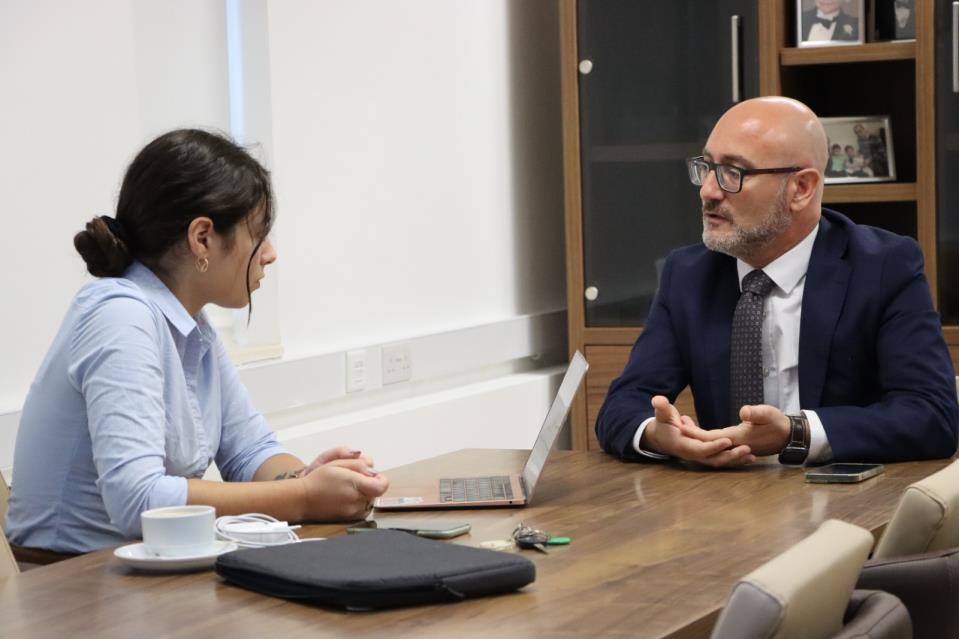
Social Housing Minister Roderick Galdes says control systems to prevent abuse in the social accommodation sector have been strengthened to limit illicit practices, such as renting out an apartment one has been given.
“If you ask me how many times I reported to the police on allegations I receive, then I tell you that this happens once a week,” he said in an interview with The Malta Independent on Sunday. In such cases, he said he informs the police for them to investigate.
Galdes was asked whether checks and balances are in place to avoid abuse in his ministry, particularly in the wake of scandals that have emerged recently which involved other ministries, those of Social Services (disability benefits) and Transport (driving licences).
When asked whether he was concerned about the possibility of his ministry being involved in a similar scandal, he expressed confidence in the robustness of the control system.
The minister replied that the systems in place in his ministry need to be strong as, after all, what people are benefiting from is not something small, but an apartment which costs “€150,000 or €200,000”.
Is it therefore fair that people do not declare that they have accepted co-habitants? Is it fair that then they rent out the apartment illegally? he asked. This is why he said he insists on enforcement.
"I will not be supporting anyone who abuses," Galdes said, adding that people have been arraigned in court on such matters, with some ending up in prison.
One of the first initiatives he undertook upon assuming the role of the minister responsible for social accommodation was the establishment of a freephone for reporting cases of social housing abuse.
"It is not acceptable for individuals to conceal information such as cohabitation when the government offers you an accommodation," the minister said.
"The presence of an effective control system allows me peace of mind," Galdes said, adding that it is the duty of any political figure to report such allegations directly to the police.
Addressing the issue of providing affordable housing for those with lower incomes, he said that "we need to combat this sense of entitlement." Galdes elaborated that the provision of a social housing apartment is a temporary measure aimed at offering individuals an opportunity to improve their social circumstances.
The minister said that the government is committed to ensuring that everyone has access to the property market based on their financial situation. He highlighted that around 82% of the country's population are homeowners, reflecting positive trends, while acknowledging the presence of those still in need of assistance.
Since April of last year, the housing authority has allocated 250 apartments for individuals unable to purchase their own homes. Galdes said that the government's vision was also one to provide a diverse range of services to cater to various social circumstances, such as the introduction of the 10% deposit incentive on property for young people.
In addition to the current measures, the minister highlighted the government's plan to tailor solutions for specific individuals, including those facing separation from their spouse, resulting in increased demand for accommodation. He cited the equity sharing scheme as one of the strategies to alleviate such pressures.
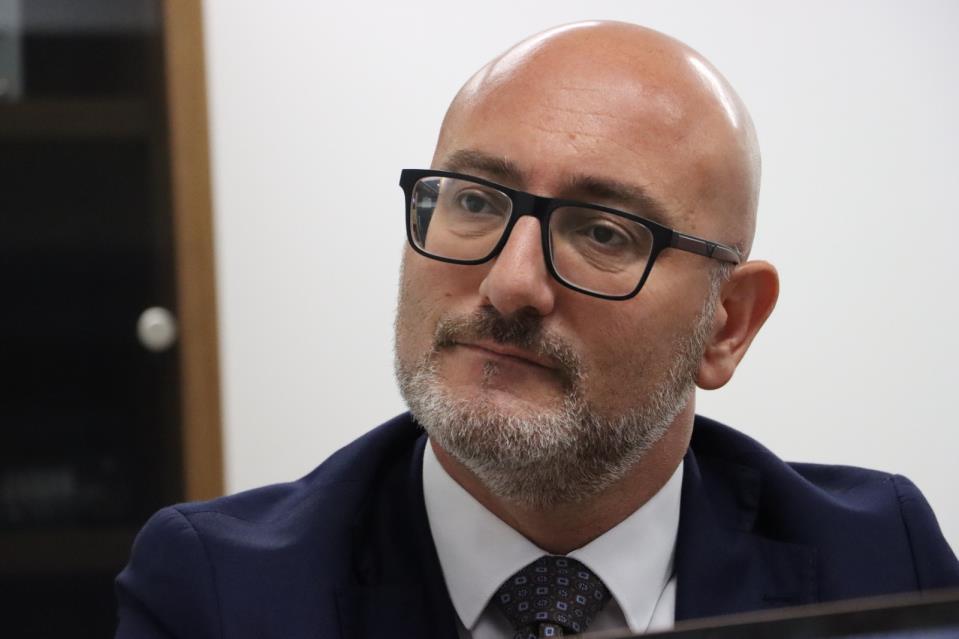
Describing the scheme, he outlined the government's role as a second party in purchasing another property, covering up to €90,000. This scheme would not levy taxes on the amount covered by the government for up to 20 years, enabling individuals to progress in their lives.
Galdes observed a current trend where single individuals, rather than couples, aspire to become homeowners, noting that societal changes, driven by globalization, necessitate adaptive solutions. He said that the housing authority is responsive to these changes, offering suitable solutions to meet evolving needs.
Discussing the increase in schemes by his ministry over the last five years, the minister underscored the significance of the rent benefit scheme. Known as the Private Rent Housing Benefit Scheme, it ensures that individuals do not pay more than 25% of their income in rent, with specific limits depending on the household's composition.
Galdes pointed out that around 55,000 individuals are currently living in rented accommodation, including 7,000 Maltese families. He also acknowledged the challenges faced by those unable to secure loans due to age or social circumstances amongst other issues, despite maybe having a good income.
Currently the government is investing in a massive project which is to provide a total of 1,700 apartments, spread across around 22 localities in the country, Galdes said, adding that the government has no intention of selling any of its stock. A recurring means test every three years is also in place, to ensure that benefiters still fall within the parameters to benefit from the scheme.
Additionally, the government has leased approximately 800 properties from private owners to alleviate housing pressures.
These sparse property acquisitions are all in effort not to create any ghetto situations, said the minister. Moreover, he also said that through an interviewing exercise done back in 2021 with every applicant on the social housing waiting list, it became clear that people are attached to communities they are accustomed to.
Since the establishment of the dedicated social housing ministry, the number of people on the waiting list for social accommodation has been reduced from 3,300 to 1,400. The decrease in the number of people benefiting from social services is contingent on the employment rate, according to the minister.
Unlike the period prior to 2013, Galdes said that the employment landscape has changed significantly, as “today work seeks you out”. He said that the increase in property ownership among individuals could also be attributed to initiatives such as the 10-year €10,000 scheme that enabled 3,000 young individuals to purchase their own homes.
In response to queries about homelessness levels in Malta, the minister highlighted the readiness of the Housing Authority to assist those in need. He said that homelessness issues are not always linked solely to poverty, but could also stem from mental health challenges and substance abuse.
Collaborating with NGOs such as Caritas, the government aims to facilitate social mobility for individuals facing various difficulties. Galdes stressed that while the necessary support is available, it is ultimately up to the individuals to embrace change and seek assistance.
In such situations, the minister said it is not the first time that social workers have directly contacted the ministry over behavioural concerns from their client, such as not wanting to follow positive directions.
“No state can sponsor your problem, but we can guide you to come out of it,” he said.
Regarding reports of non-EU nationals residing in overcrowded apartments, Galdes quoted the effectiveness of new laws, with a total of 55,000 registered rental agreements.
He said that in individual cases where abuse is being identified “we are clamping them”. Asked to further explain the concept he said that fines can reach €10,000 for a property owner who abuses, “which is no joke”.
Also included in future legal updates is “a legislation which crystallises such situations”, said the minister.
However, he said that nowadays the process of knowing who is living within a certain property is very easily discoverable thanks to an online system.
Apart from such introductions, there are also more updates to come on the recently introduced rent law to amend the pre 1995 rental agreements.