Dottoressa Anna Porcheddu has been in Malta for a long time, 23 years in fact. She is a Sardinian who speaks excellent English. How come, I want to know when we meet for coffee and a chat, in a café nearby. "I have always been very interested in foreign languages. I studied French at school, as that was the most popular foreign language in Italy and maybe in Europe in those days. I obviously chose to study foreign languages at university and I thought it was time for me to learn English." She considers herself lucky as the lecturer she had, John, from Sunderland, was "a great lecturer and a wonderful person. He would only speak English to you, whatever your level was, in my case.... total zero... and that would happen not just at university, but wherever we might meet, in a supermarket, a shopping centre, a café. It was English all the way."
Anna says that the first time her teacher spoke to her in English she was so embarrassed and literally terrified, but it worked. "I learnt how to speak English.
When I was still an undergraduate at the University of Cagliari I was chosen - together with two more students attending the same course - for a six-month exchange, a programme which had already been going on for years between Cambridgeshire College of Arts and Technology and the University of Cagliari." She looks upon it as "a great experience. Before that I had a summer scholarship in Romania. I was in Brasov - a very interesting city, in central Romania, surrounded by the Southern Carpathians mountains - for a whole month and that certainly helped discover a beautiful country and improve my knowledge of Romanian, one of the languages I had chosen to learn." Yes, no doubt, Anna is a linguist.
After she graduated, she was again lucky and was awarded a scholarship to carry out research on "Children's games and rhymes" at the University of Cork, Ireland. "I was in Cork for a full year - my mentor and, at that stage good friend, John, had suggested Cork rather than Dublin or Galway, which were also available. He turned out to be absolutely right as I was to discover in my enjoyable stay there."
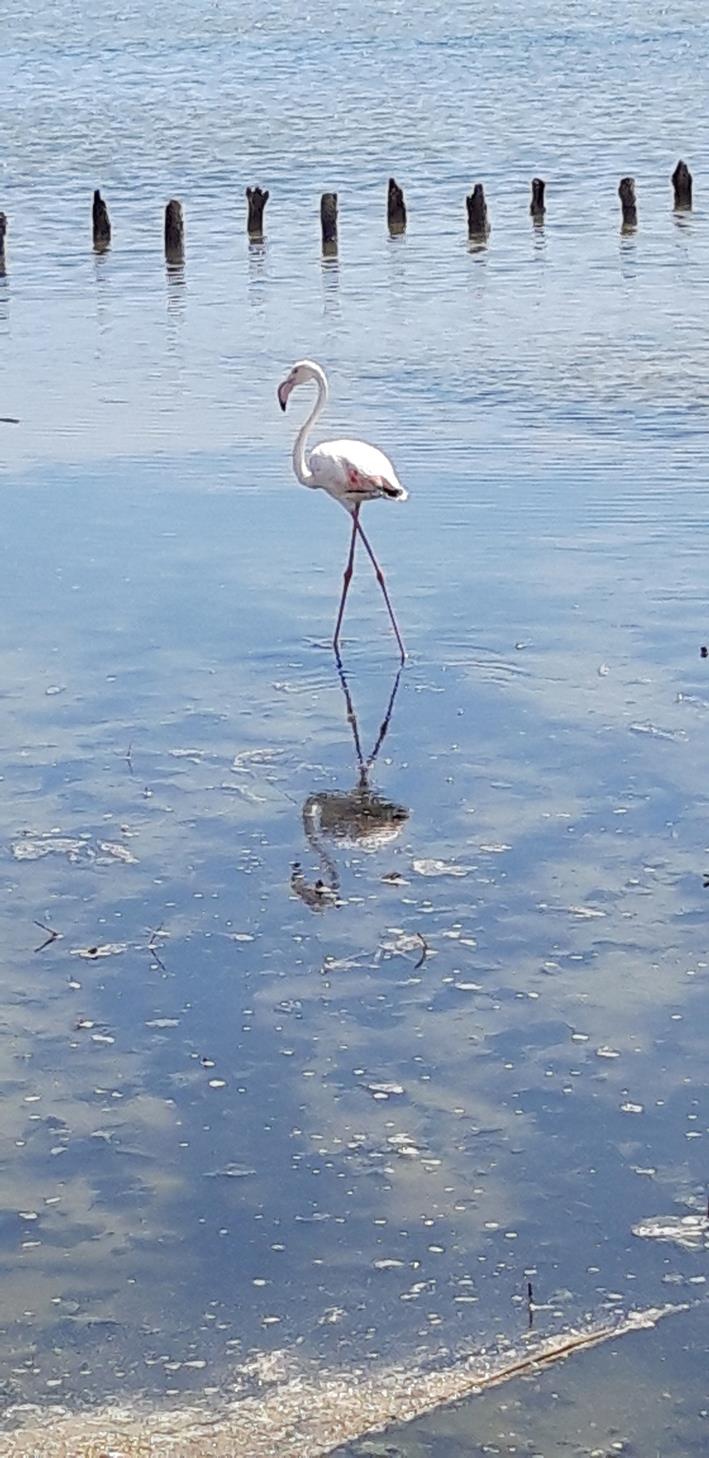
What does she miss most in Sardinia? "Sardinia, certainly, is a beautiful island much bigger than Malta (approximately 300 km by 130 km) and full of breathtaking sandy beaches, which I really miss. As a matter of fact one of my favourite beaches in Malta, Little Armier, reminds me of Sardinia. Cagliari, the capital city and my hometown has a very long sandy beach called Poetto, almost 8 km long, including in fact the next city, called Quartu, and right on the opposite side of the beach there is a lagoon, called Molentargius, full of interesting birds, but especially flamingos. There are thousands of flamingos that you can see all year round as twenty years ago, in 2003, they chose Sardinia as their permanent residence. As a matter of fact, we call them "sa genti arrubia" which means "the red people" in our local language, as when thy are adults they get this pretty red colour, but also because we consider them to be our friends."
Anna assures me that Sardinia is not just beautiful beaches. "Like Malta, it has much more to offer: very interesting archaeological sites, beautiful cities, very good food. People are friendly and welcoming. You might stop in a town or village where you have never been before, have a coffee and find out that somebody has already paid it for you; or that you've just been treated to a particular kind of local wine, even maybe produced by the person you are speaking to... On the whole the Sardinians are a friendly lot."
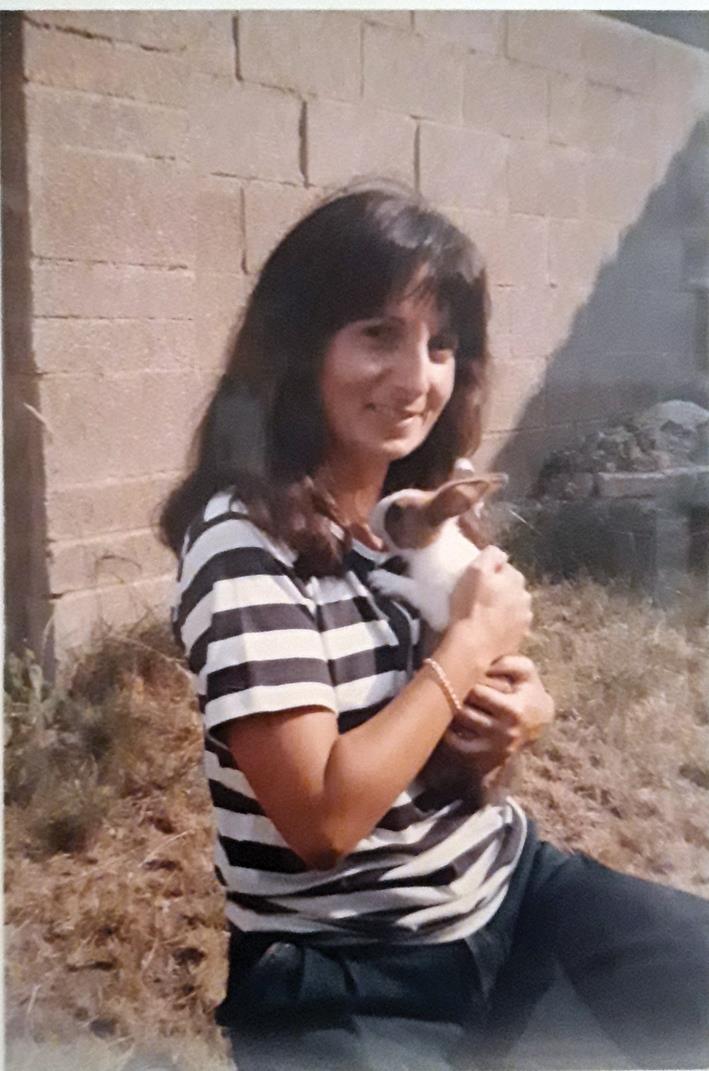
What does she miss about her island home, most? "The beautiful beaches and the flamingos..." she says, somewhat nostalgically.
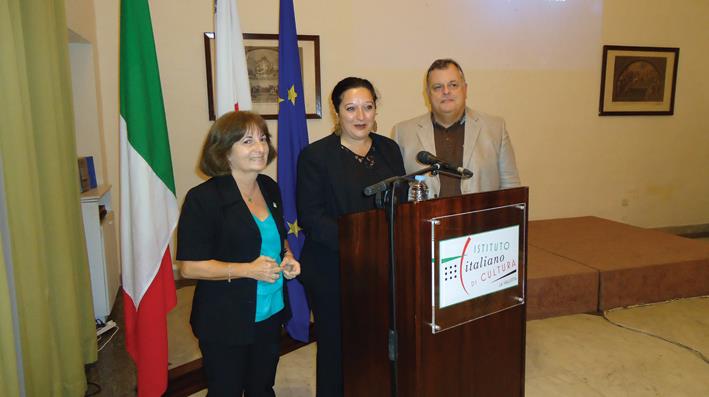
How did she finish up in Malta? "After a very short visit with my mother at the end of 2001 or 2002, later, in 2006 I had won a competition organized by the Italian Ministry of Foreign Affairs and was sent to Malta, one of the first places in the long list of possible choices I had. This is how it all started. I was working for the Italian Government as lecturer at the University of Malta for seven years." Anna taught courses on Italian culture, history, music and song lyrics, language and much more. "It was a great opportunity, as I got to know colleagues from different departments, students from different countries with whom I am still in touch after more than ten years. It was an opportunity to learn more about Malta - I love exploring new places. I love the Maltese language, history and traditions. I got so involved that at the end of that experience at the University of Malta, in 2013, I had already started a regular event, La Scatola Magica, which was "created" ten years ago together with a very multi-faceted director of the Italian Cultural Institute, Dr Salvatore Schirmo."
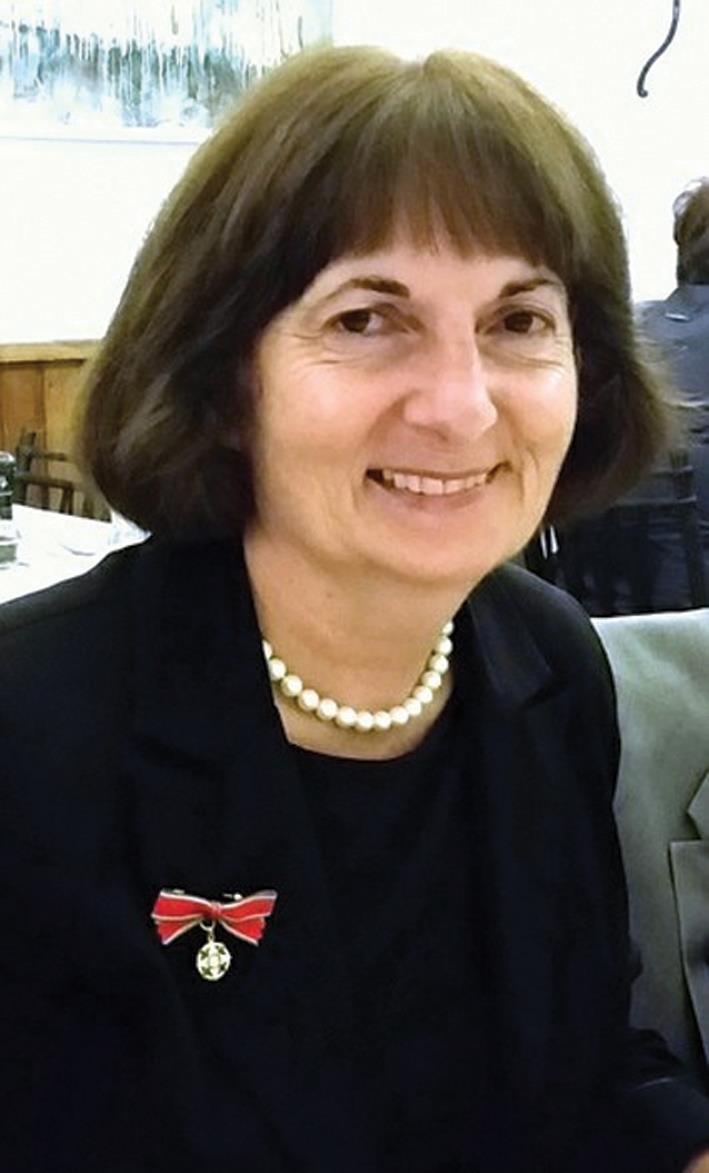
As we know La Scatola Magica continues to be popular to this day and is now firmly fixed in our cultural calendar. "Every month there is a new topic," says Anna, who never seems to run out of ideas.
Anyway, after her seven years of lecturing at the University of Malta she decided to stay on "this small but very 'vibrant' country with an international population - and therefore make use of some of the other languages I had studied at the University of Cagliari." So, that's how she became a certified translator and interpreter, which is her main activity now.
In all Dottoressa Porcheddu has been living here for 17 years.
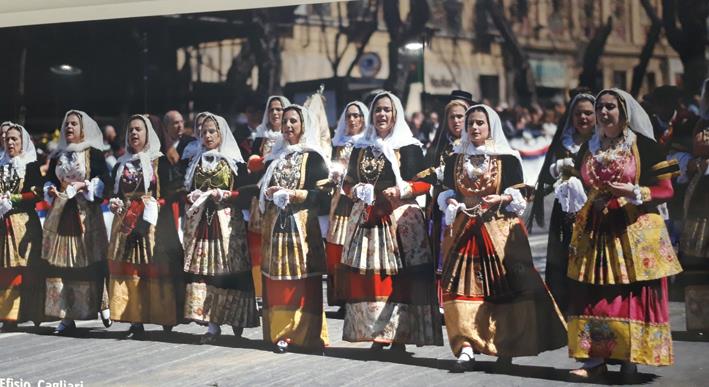
What does she like about Malta most? "As I said, the international atmosphere that you breathe here. Such a small country, but full of interesting events. There are many musical events throughout the year. I love classical music; different kinds of cuisine - whatever you want to eat, you'll find it in Malta, thanks to its diversity of restaurants (Maltese, Italian, Indian, Chinese, Thai, Greek, Spanish, Serbian, Macedonian, Mexican, Argentinian; you name it...). Malta has a very interesting history and archaeological sites, beautiful baroque churches and, last but not least, wonderful feasts with processions, fireworks, amazing decorations with multi-coloured lights. Generally speaking, Maltese people are friendly, generous and very helpful." But, she says, they totally change when they drive. "Some of them are terrible: they don't respect basic rules or other people, especially bikers and pedestrians. They, including taxi drivers, and not just Maltese drivers, stop anywhere they like, often right in the middle of the street, blocking other drivers, even when they could have parked very close by to where they wanted to stop. They are so dangerous, careless and, yes, even rude."
How could I not sympathise with that fair assessment?
"Something else I cannot stand is the behaviour of many Maltese waiters/waitresses in restaurants or cafés. Whatever they do, even when they make mistakes, they are so rude, and always want to be right even when they are not, and what is even worse, managers side with them, instead of apologizing to the client."
She recounts an anecdote, something that happened to her at the end of a dinner, with two Maltese friends. "They were allergic to nuts and chose panna cotta... just to be on the safe side. Unfortunately, the one they were served was covered with chopped hazelnuts. Of course, it was in fact the Bacio version of panna cotta. Mad! And very dangerous for their health."
She adds more negative things to what she likes least about our island: the fact that Malta does not care for its old trees. "They are so often cut down for several reasons and just replaced - if that happens - with some very young ones. Trees are so important, especially in a country which reaches very high temperatures every summer. Trees take years to grow. Apart from their beauty we need them for the shade they provide."
Another dislike is hunting "another serious problem. Every year beautiful birds, such as flamingos or swans, are killed for no reason. Why does it still happen?" I wish I could provide her with an answer.
"One major problem in Malta is the fact that old buildings, beautiful historical villas are often taken down because maybe somebody wants to build a new hotel with 20 or more floors. I don't think tourists are attracted by these horrible new buildings."
But on the whole, Anna loves living in Malta, with frequent visits to her family in Sardinia and the occasional holiday abroad. "A small island can be claustrophobic, but there are ways of getting round that," she says, smiling. Anna never seems to be in a bad mood.
This month La Scatola Magica will be dedicated to one of the most fascinating musical instruments: the pianoforte. Francesca Settipani, architect and web and visual designer and very active in the world of music will speak about the history of the pianoforte and will reply to questions from the audience. After the presentation there will be drinks and nibbles. This event will take place on 14th November at 6pm at Valletta Design Cluster. Anna is looking forward to meeting old friends and welcoming new ones.