The mental health of young people in Malta has becomes a growing concern. Parents, educators and health professionals are increasingly alarmed by rising levels of anxiety, isolation, and emotional struggles among children and adolescents. Yet access to support remains limited. Many young people feel overwhelmed and misunderstood, with few options available that are both welcoming and effective.
In the previous article published on 8 June in The Malta Independent, I wrote about how the arts can be used as a form of prescription, supporting people's emotional and mental wellbeing through creativity, connection and self-expression. This follow-up article shifts the focus specifically to young people and argues that creative expression, whether in music, painting, poetry, theatre or dance, can offer life-changing benefits for youth in Malta today.
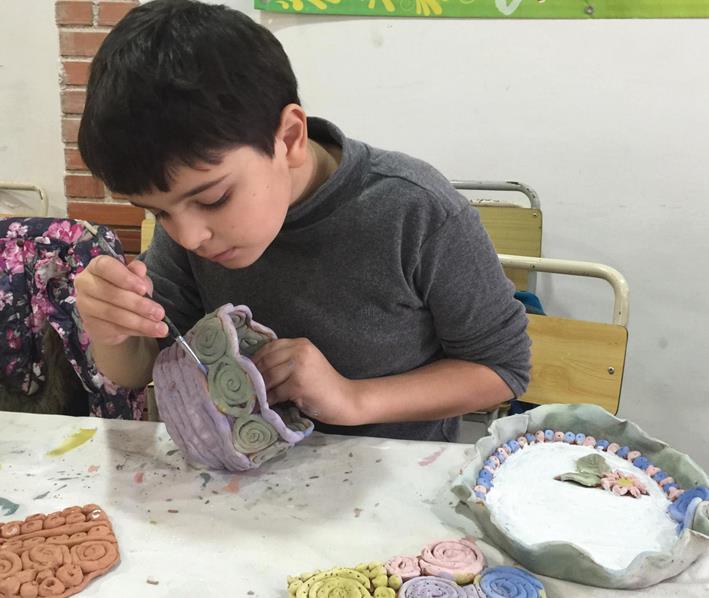
Why young people are struggling
Adolescence is a period of change and vulnerability. According to international studies, half of all mental health conditions begin before the age of 14, and many go untreated. In Malta, post-Covid challenges, academic pressure, social media anxiety and difficulties at home are all contributing to a growing mental health crisis among youths. Teachers and guidance counsellors often report that many students experience emotional dysregulation, lack of motivation and low self-esteem.
And yet, traditional models of support, such as clinical therapy, are not always accessible or appealing to young people. There is still stigma, long waiting lists, and a shortage of trained professionals.
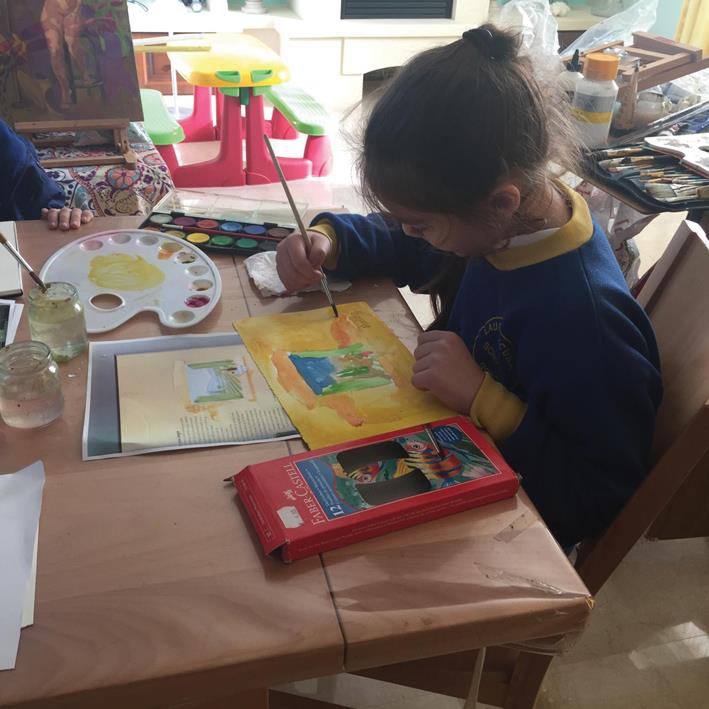
Why the arts can make a difference
The arts offer a safe space for young people to express emotions that are difficult to put into words. Research has shown that creative activities like drawing, writing, painting and playing music can reduce stress, improve emotional resilience, and even strengthen brain function. But beyond science, there is something deeply human about turning pain or confusion into a poem, a painting or a performance.
Creative expression helps young people make sense of their inner world, connect with others, and feel heard, without judgment. Importantly, it can be done outside a medical setting, in schools, youth centres, or even at home. This makes it an inclusive and cost-effective tool for prevention, not just intervention.
Local examples in Malta
Thankfully, there are already some inspiring examples happening here in Malta, for example, Right to Smile Foundation has long been using theatre, art and storytelling in youth communities around Malta to help build confidence, belonging and self-expression among young people. Many of its participants say they have found their voice through these creative spaces.
As part of the national PSCD (Personal, Social and Career Development) curriculum, there is growing recognition of the role that creative expression can play in students' emotional and social development. In several schools across Malta, PSCD teachers are increasingly incorporating drawing, journaling, music and role-play into their lessons, offering young people more imaginative ways to explore topics such as identity, relationships and emotional wellbeing. Through drawing, journaling and colour exercises, students explored their emotions in a safe and imaginative way. Teachers observed improvements in classroom focus, peer connection, and overall emotional openness.
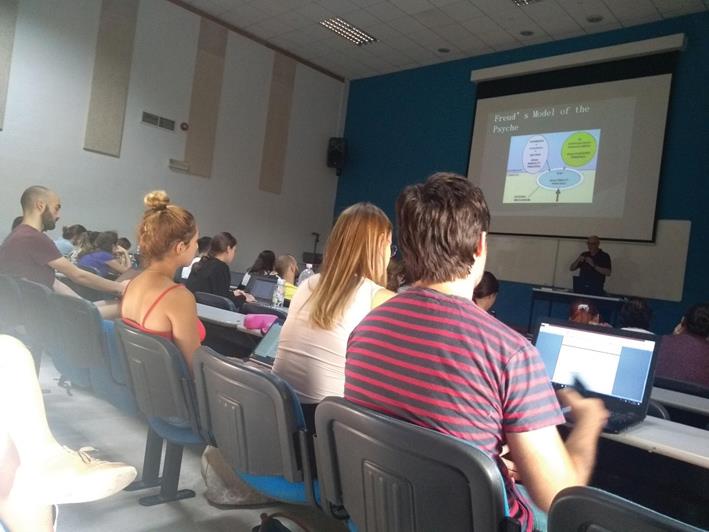
At the University of Malta, the study-unit The Arts for Health and Wellbeing introduces students as future educators, social workers and health practitioners to the growing field of arts in mental health. The course gives students the tools to understand and apply creativity in real-world care settings.
These are only a few examples, but they point to the enormous potential of combining art and mental health in Malta, particularly for younger generations.
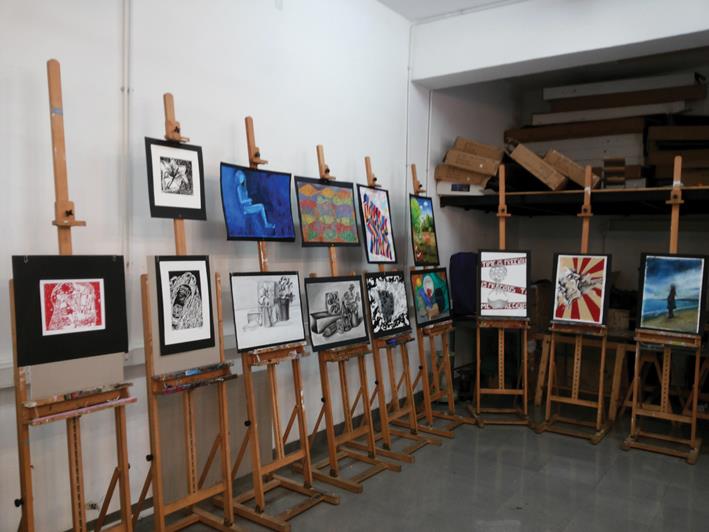
From isolated projects to national policy
Despite these successes, most programmes are still isolated and rely on short-term funding. What Malta urgently needs is a national strategy to integrate the arts into both education and health. This means:
- Introducing creative emotional literacy sessions in schools, not just for students but also for educators and carers;
- Providing training for artists who want to work in mental health and education;
- Supporting youth organisations to include expressive arts in their outreach work; and
- Involving young people themselves in designing these programmes, so their voices are part of the solution.
These ideas are not new, and they are not radical. Countries like the UK, Canada and Finland already support arts-on-prescription schemes and school-based creative mental health programmes. Why not Malta?
Conclusion
Young people today are facing real emotional challenges, and they deserve real, human-centred solutions. Art is not a luxury or an add-on. It is a lifeline. Whether through painting, music, theatre or storytelling, creative expression gives young people the tools to face their struggles, discover their strengths, and connect with others.
If we want a future generation that is resilient, empathetic and mentally healthy, we must start building those foundations now and the arts have a vital role to play.
Prof. Louis Laganà PhD (Lough) lectures on the Arts for Health and Wellbeing at the University of Malta. He is also a curator and practising artist