From economic growth to personal ambition, the desire to build and achieve is not inherently destructive, but becomes so when pursued at any cost in the pursuit of immediate dominance. Like medicine, what is intended to sustain us can become an overdose when taken beyond what is necessary. As Wallace Falzon observes, "Narcissism is a decision you need to work against." In The monument of self: Narcissus and his hornet tower, Falzon explores the consequences of unchecked ambition, material accumulation and Malta's changing landscape.
Falzon (b. 1967) turned his primary focus towards art in the mid-2010s, following an extensive business career. His practice spans mixed-media painting, sculpture and large-scale metal installations, often incorporating recycled industrial materials and found objects. Through the interplay of vivid primary colours and raw, repurposed surfaces, Falzon explores themes of struggle, hope and transformation, while engaging with broader social concerns and questions of human existence and self-discovery.
The monument of self: Narcissus and his hornet tower, curated by Christian Attard, brings together mixed-media works encompassing sculptural installations and works in metal, acrylic and other media. Centred on Narcissus, a figure of excess whose ambition takes form in the construction of an imposing tower, the exhibition examines the pursuit of power and the fragility of the authority it establishes. Upon death, what has been accumulated is neutralised and redistributed, yet the destruction wrought by its pursuit endures.
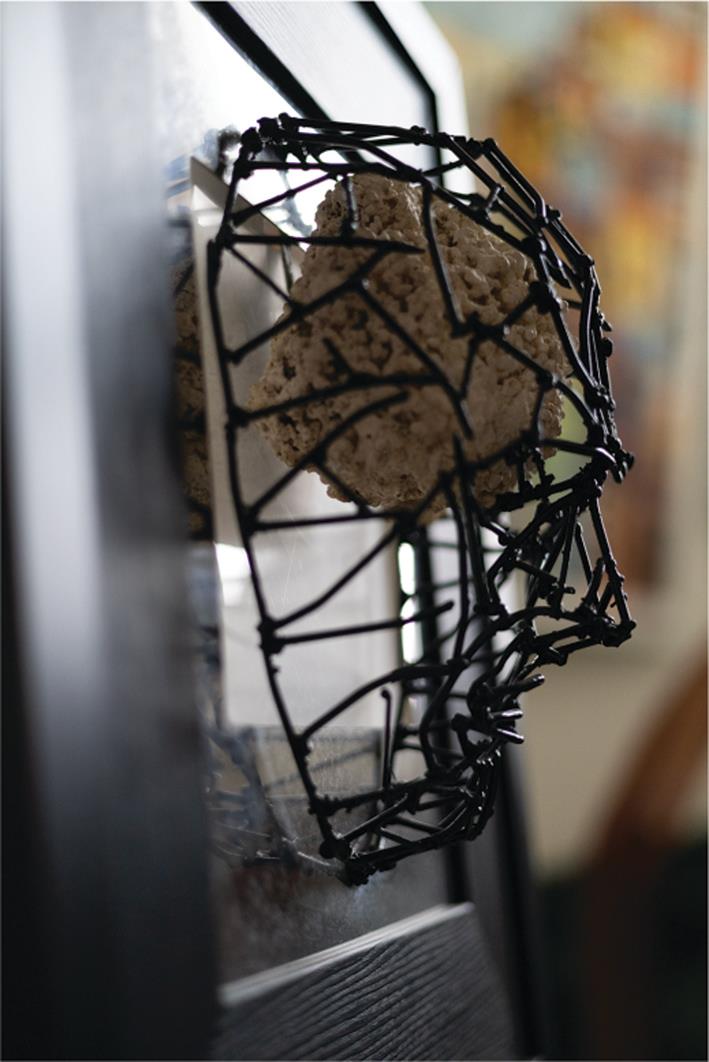
In the classical myth, Narcissus dies captivated by his own reflection, eventually becoming the flower that bears his name. Falzon shifts the emphasis from self-love to a different kind of self-absorption, recasting the figure through an insatiable appetite for wealth and possession as a critique of contemporary excess. As Attard observes, Echo, the nymph condemned to repeat the words of others, provides a counterpoint to Narcissus, embodying the loss of agency experienced by those living in the shadow of his ambition. Through this contrast, the myth becomes a reflection on the wider human and environmental consequences of unchecked accumulation.
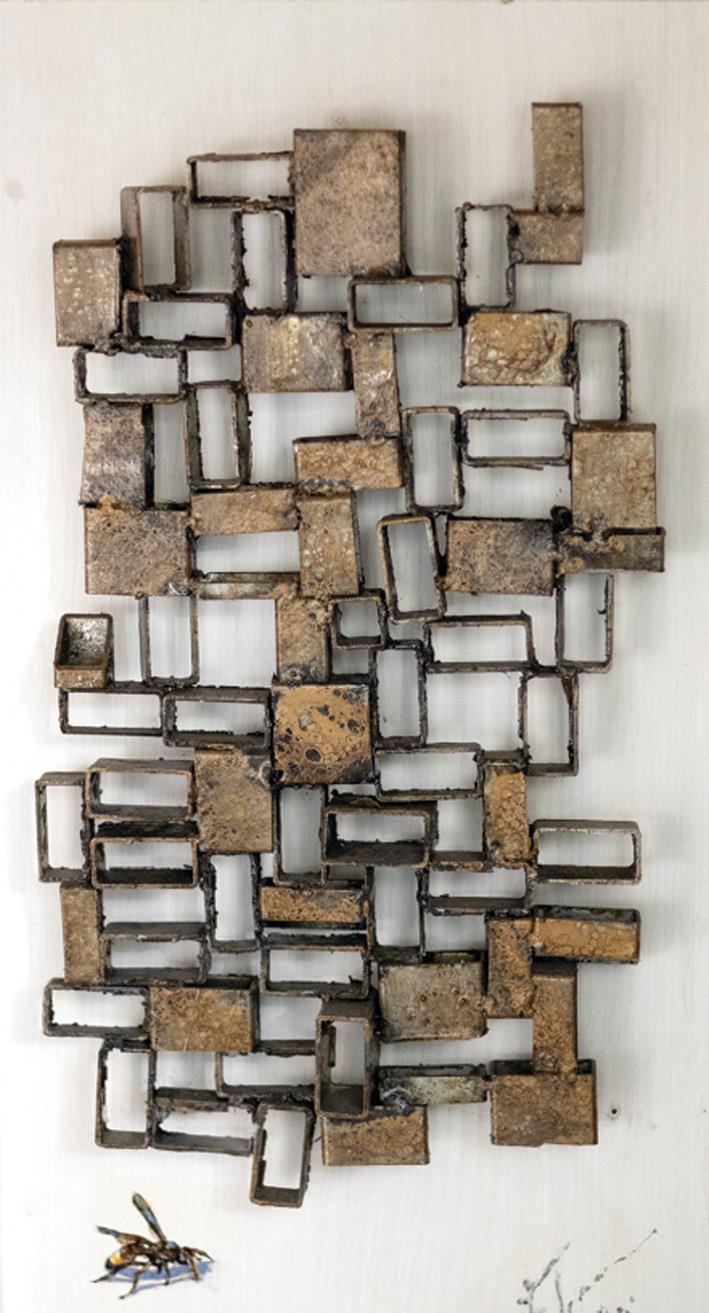
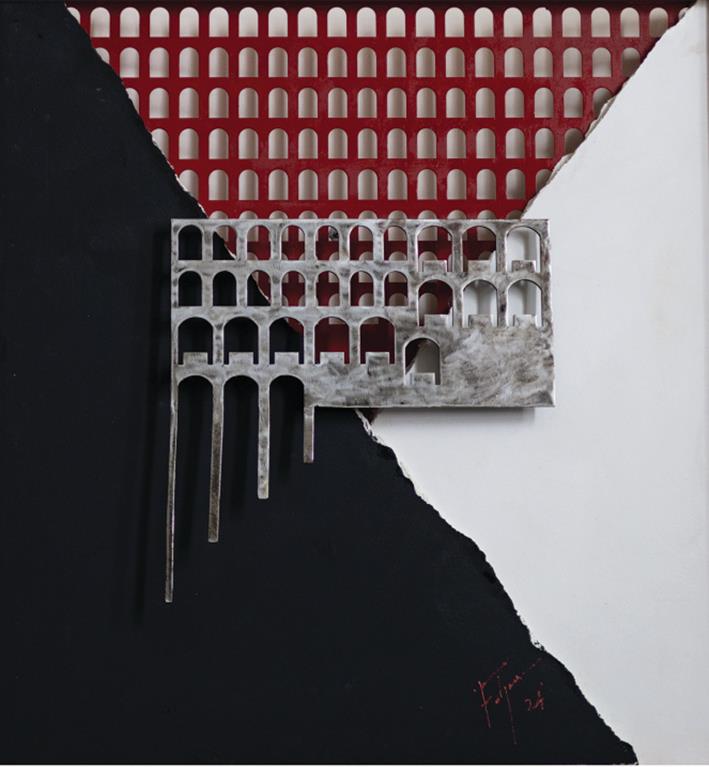
Reflections on Malta's changing landscape draw on a familiar tension between economic growth and the loss of the island's environmental and architectural character. Traffic, overcrowding and the replacement of natural spaces with buildings have intensified anxieties about the island's changing landscape, with attempts to reintroduce green spaces unable to fully reverse the effects of development. Falzon recalls a village remembered as a honeycomb, its palette resembling honey and its skyline crowned by the parish church, an image that has now become a romantic ideal. Against this memory, the spread of high-rise buildings suggests a loss of architectural and cultural identity, as places increasingly conform to a standardised visual language, a concern explored in works such as Rajt Malta tinbidel: The new skyline.
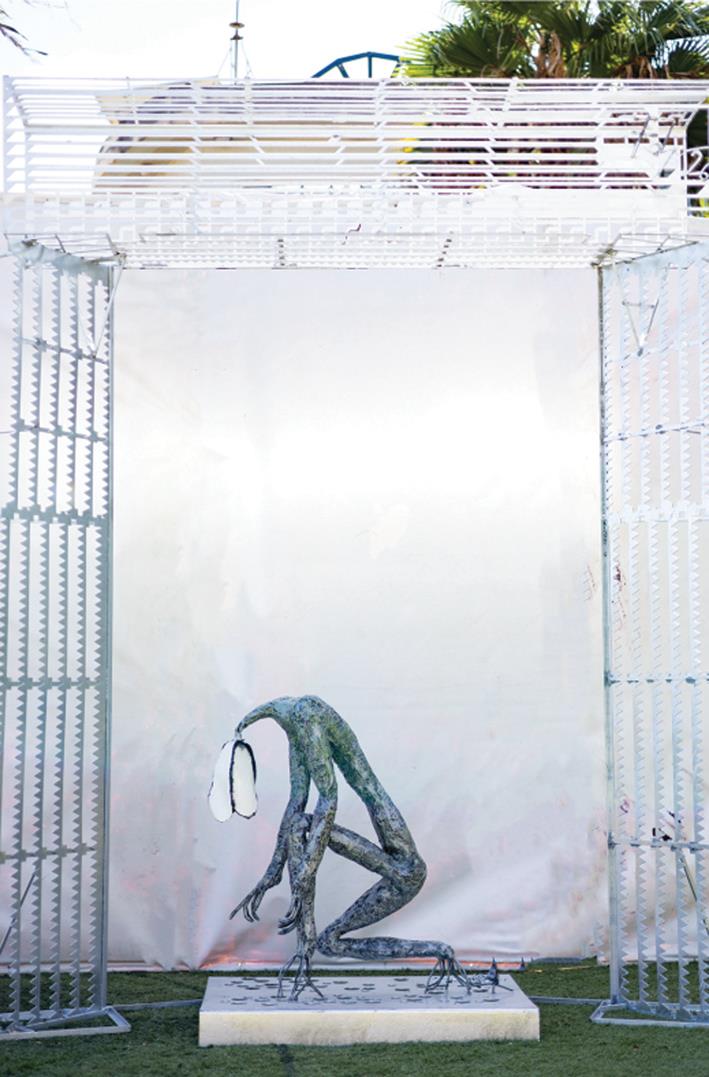
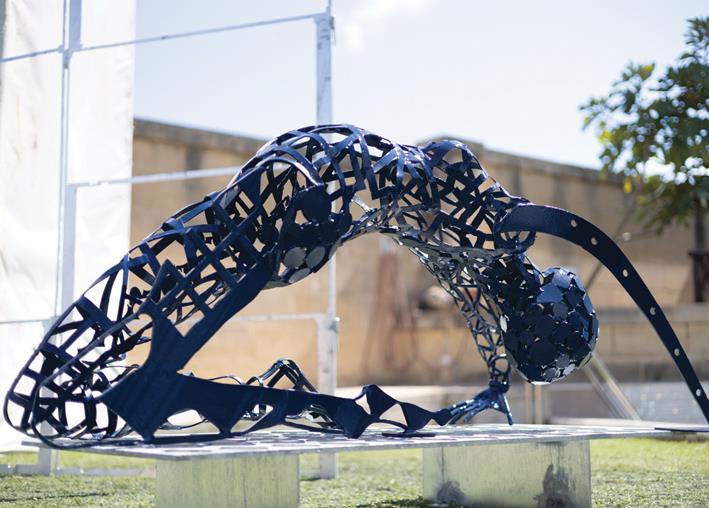
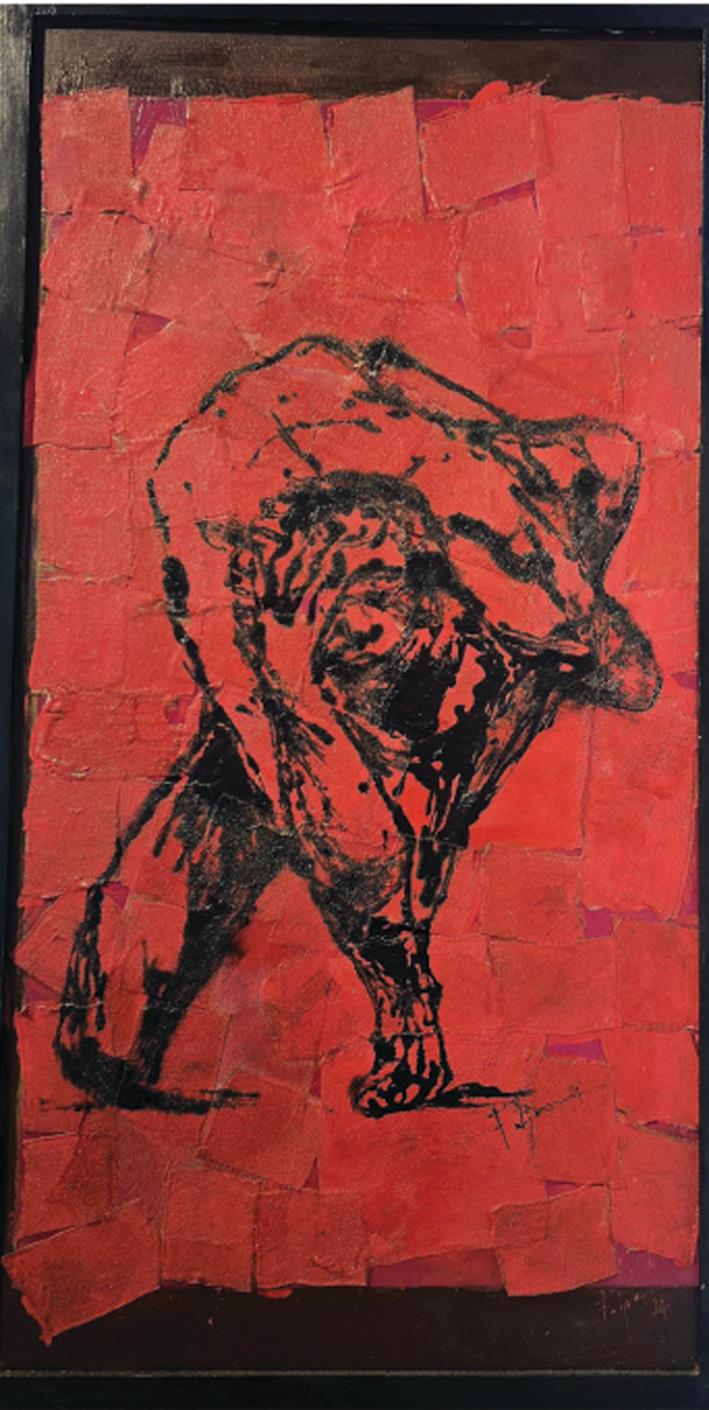
Within this metaphor, the hornets represent a threat to the honeycomb, with Narcissus constructing his tower after recognising an opportunity within the village, disregarding the community and its existing character. The resulting intrusion contributes to a sense of claustrophobia, also evoked by the reconstructed building structures in The Metamorphosis of Narcissus, whose teeth suggest an environment that has become predatory, consuming the very figure responsible for its transformation. Bending backwards similarly exposes the human cost of prioritising material gain. Through the merging of abstraction and figuration, the body appears to be absorbed by the material surrounding it, suggesting how humanity risks being subordinated to the very forces it creates. Falzon describes this contradiction as a disgrace obscured by the comforts of a prosperous economy. Such prosperity risks numbing society to the environmental costs of continued expansion, leaving future generations to confront consequences that those benefiting from it have chosen to overlook.
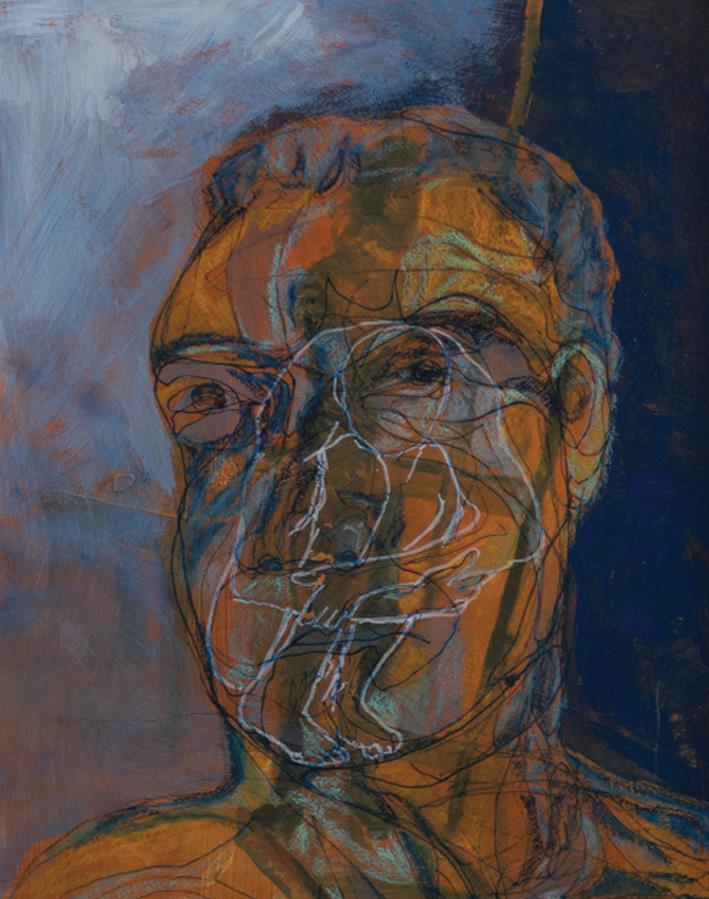
Beyond the pursuit of material wealth, the interpretation of Narcissus raises questions about intellectual narcissism and the capacity for self-awareness. Education and professional standing do not render individuals immune to arrogance or the conviction that their knowledge places them above others. Such confidence can become a form of blindness, preventing individuals from recognising the warnings of others, even when the consequences may eventually affect them. Falzon identifies a tension between preserving artistic independence and remaining receptive to external influences, arguing that the two are not mutually exclusive. An artist must establish a solid foundation for their work while remaining aware of how it reaches and affects others. This internal and external dialogue extends beyond artistic practice, prompting reflection on whether personal ambition and conviction can obscure perspectives that challenge them. The question becomes whether individuals remain willing to listen when their position, status or achievements encourage them to believe they already know better.
Through a considered use of space, the exhibition design brings Falzon's visually versatile works into dialogue, balancing their visual vibrancy with the distinct qualities of different media. The interplay and pacing between the physical presence of the works and the external and internal concerns they explore brings together the material consequences of unchecked ambition with broader questions of self-awareness and social responsibility. As attitudes and ideologies swing between opposing extremes, the question becomes whether society can find a point of balance without simply replacing one position with another. Like a pendulum, such shifts may prompt a return towards equilibrium, but this requires more than recognising the consequences of excess; it also demands a willingness to question one's own convictions and remain receptive to perspectives beyond one's immediate frame of reference.
The monument of self: Narcissus and his hornet tower, curated by Christian Attard, is open to the public until 6 December, at Muza - The National Community Art Museum.
Photos: Michaele Zammit