Lawrence Pavia: From hard-edge paintings to free-from expressionist art
For Lawrence Pavia moving from hard-edge painting to free-form painting represented a shift from highly controlled, geometric compositions with clean, sharp lines to spontaneous, intuitive, and expressive works characterised by soft, undefined or blurred forms. While his hard-edge paintings focus on precise shapes, clarity, and often use techniques to achieve sharp transitions, his free-form paintings, which in some occasional instances are post hard-edge, embrace fluidity, natural organic shapes, and the celebration of imperfection to foster emotional and sensory experiences rather than strict visual order.
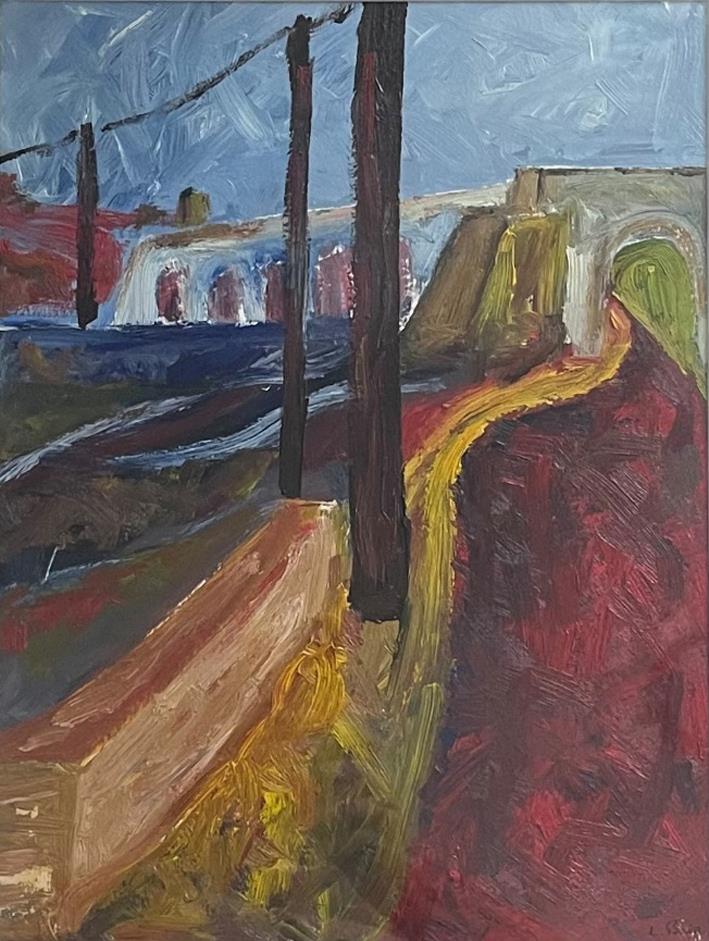
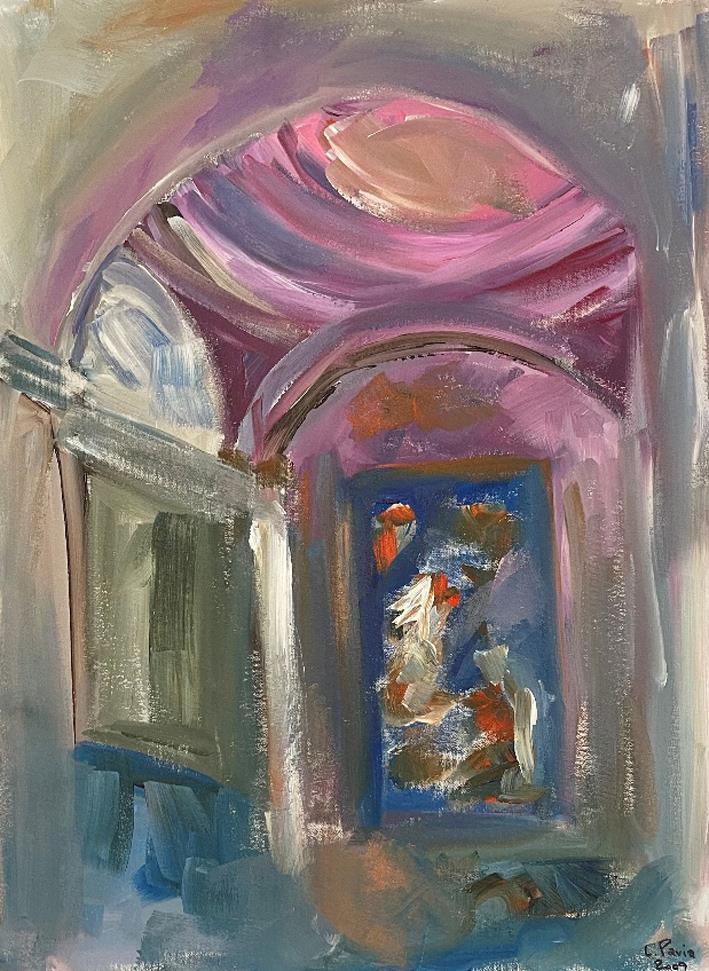
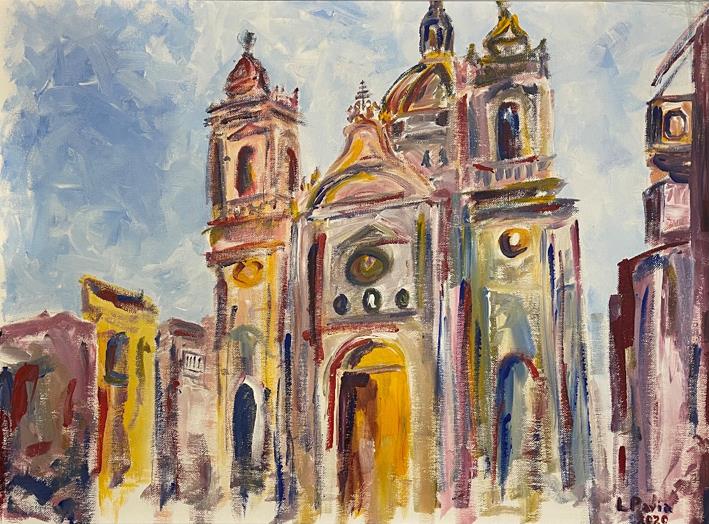
Exploring the profound mysteries of existence, and in contemporary times, Lawrence's works weave spirituality. By integrating sacred spaces, and mysticism, the return for works in bold brush strokes, which include the sporadic landscape or interior, forge a unique connection between the material and the metaphysical, inviting viewers on a journey of introspection and enlightenment, and creating a visual language that transcends time and space.
As these mystic works breathe new life derived from ancient symbolism, they bridge the gap between tradition and innovation. In doing so, they remind us of art's timeless ability to illuminate our inner worlds and connect us to the universal truths that define the human experience.
Wallace Falzon: From sculpture to expressionist paintings
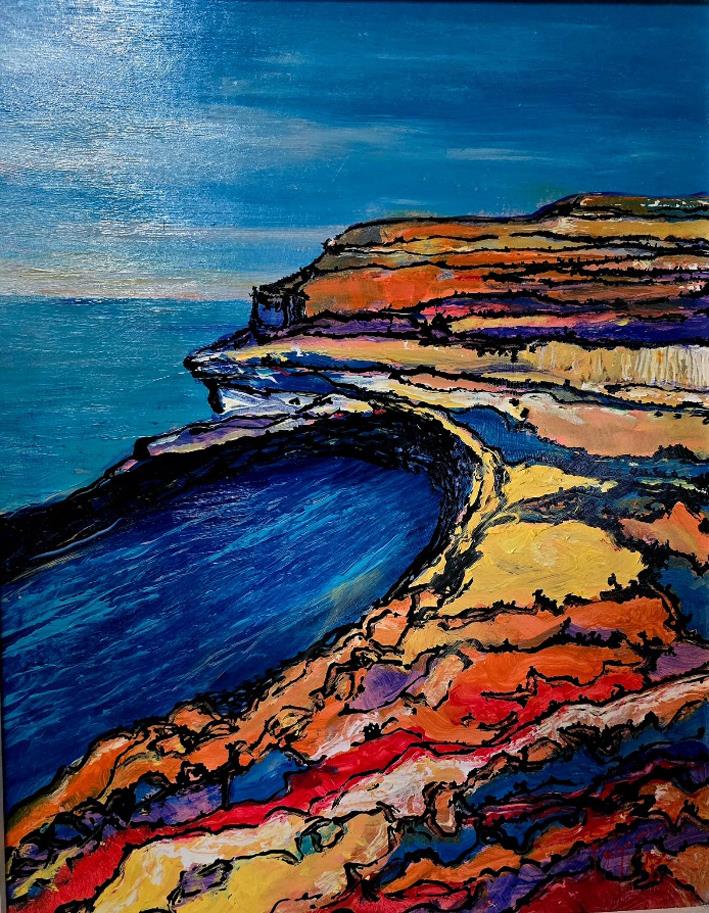
While Wallace's Expressionist sculptures carried a rebellious spirit, using distorted figures to criticise social, cultural, and political issues, his paintings emphasise an individual experience and a personal interpretation of reality, leading to abstracted or existing landscapes that reflect the artist's perspective.
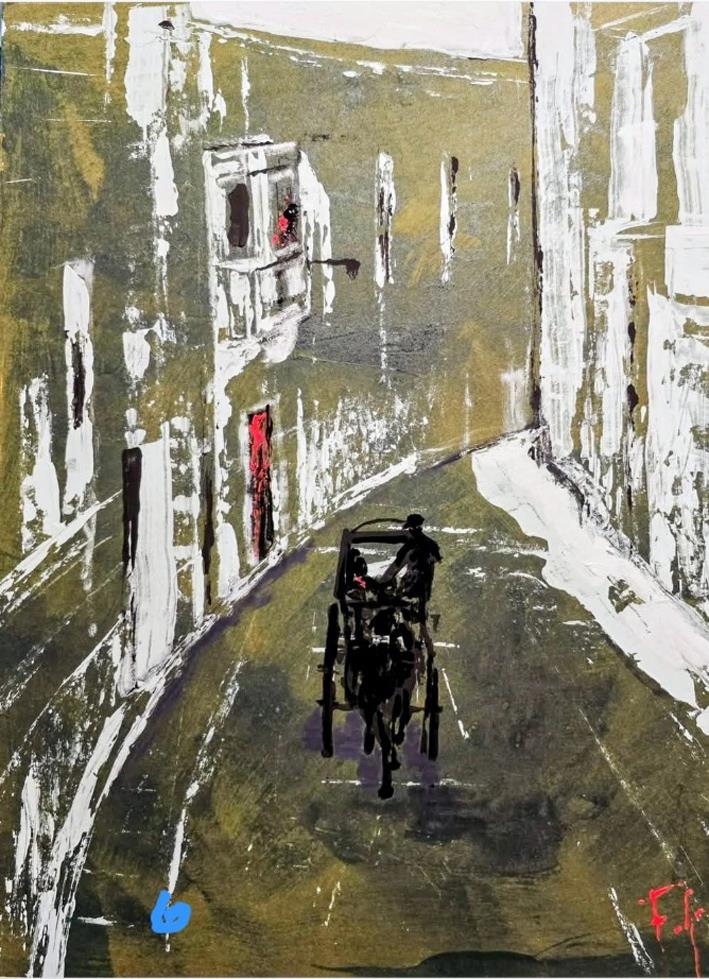
The shift from traditional sculpture to expressionist art involved prioritising subjective emotion over objective reality, with Expressionist sculpture characterised by rough textures, distorted forms, and non-realistic appearances that convey the artist's inner turmoil and societal concerns
Artists like Oskar Kokoschka transformed familiar scenes into psychological dramas, using colour as a visceral, emotive tool to express feelings like anxiety or longing. Wallace's approach broke from academic traditions by prioritising emotional depth and the artist's personal vision over realistic representation.
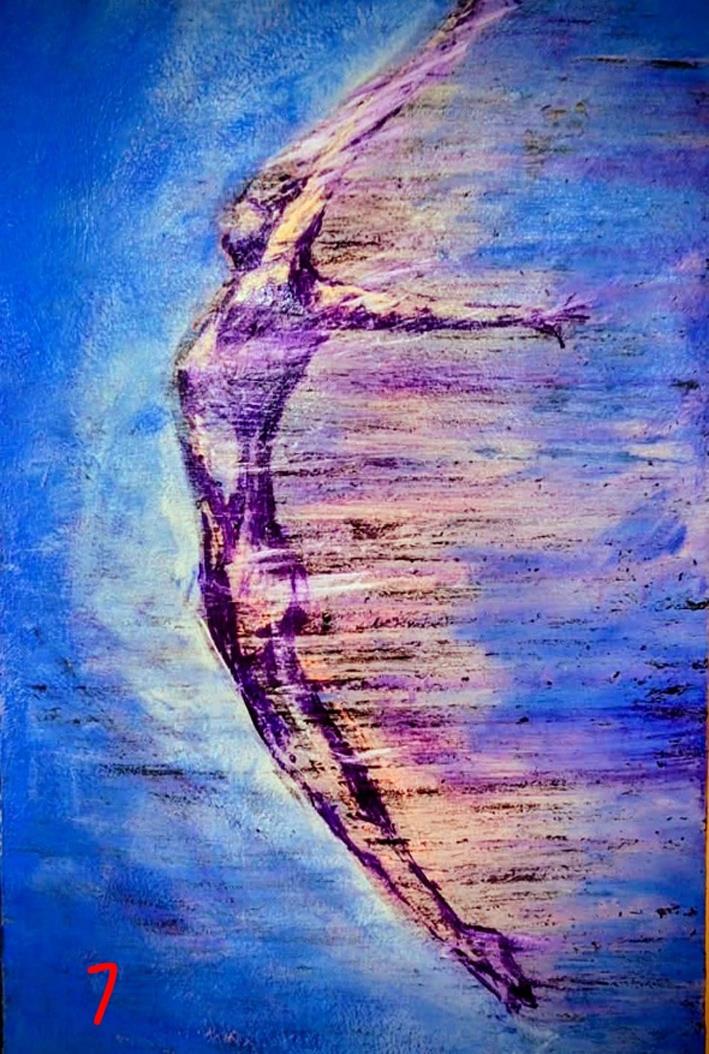
Wallace's colours are chosen for their emotional impact rather than for how they appear in reality, such as a red sky or purple shadows. His energetic, bold strokes are used to express the artist's feelings and the raw energy of the scene.
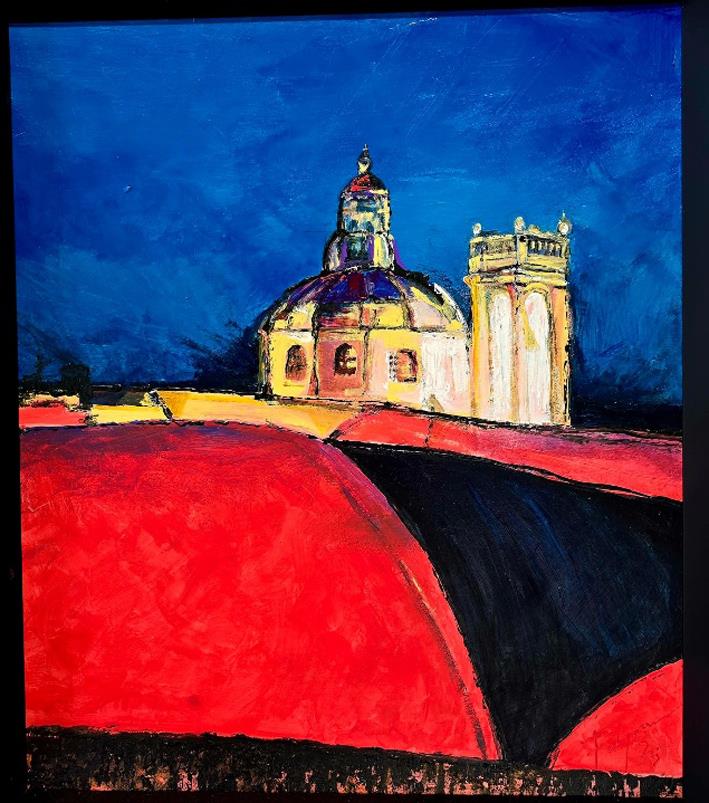
Connection
Both artists have, in essence, exhibited together before. However, this exhibition - where I am honoured to collaborate with them from a critical perspective - excites me because of their sincere diversity in their work which has synergised in this exhibition.
Expressionism in Wallace's art moves beyond mere depiction. It is a deliberate artistic choice to use colour and form to communicate the artist's emotional and psychological response to the natural world, creating a powerful and deeply human visual experience. On the opposite end Lawrence's mysticism and powerful brush strokes emanate a spiritual existence from within. Pavia's recent exposure to a university experience has deepened his understanding of embracing the beauty of unpredictability, often exploring how light and environment can affect perception, leading to a more immersive and sensory experience.
Pavia and Falzon, with their bold use of colour, technique and abstract figures, not only resonate with viewers but also serve as a reminder of the transcendent beauty within the everyday.
Such bold, expressive paintings tend to elevate the natural world to a new level of reality, imbuing it with spiritual significance and a sense of the transcendent, transforming it from a mere physical space into a place of myth and mythic possibility which are the compelling aspects of this artistic exploration by Lawrence and Wallace.
The exhibition is being held at Gemelli Art Gallery at Ta' Qali Crafts Village. The opening is on 3 October and it will run until the 13th. Opening hours are from Monday to Friday from 8am to 2.30pm and on Saturday from10am to 12noon