What was your first public commission, and how did it come about?
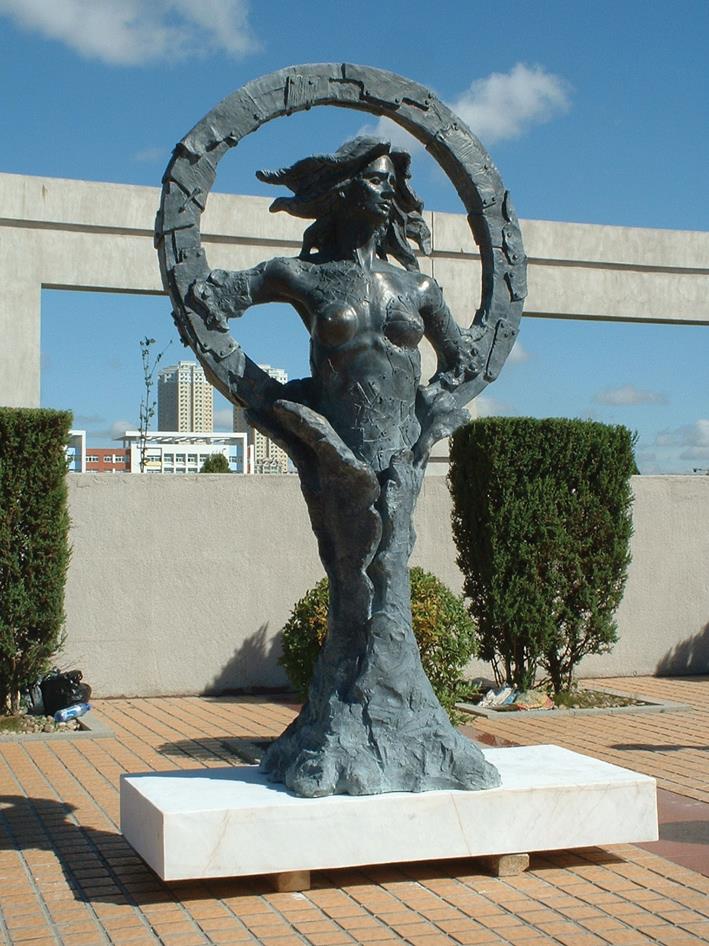
My very first public sculpture is not found in Malta but in the city of Changchung in the East of China. It has been installed in the world largest sculpture park. I remember being selected by a committee to participate in the international sculpture symposium which was held in Changchung in 2004. During this symposium which lasted for around two and a half months I alongside a number of international artists created this work which later was cast in bronze and installed in front of a huge artificial lake in the sculpture park.
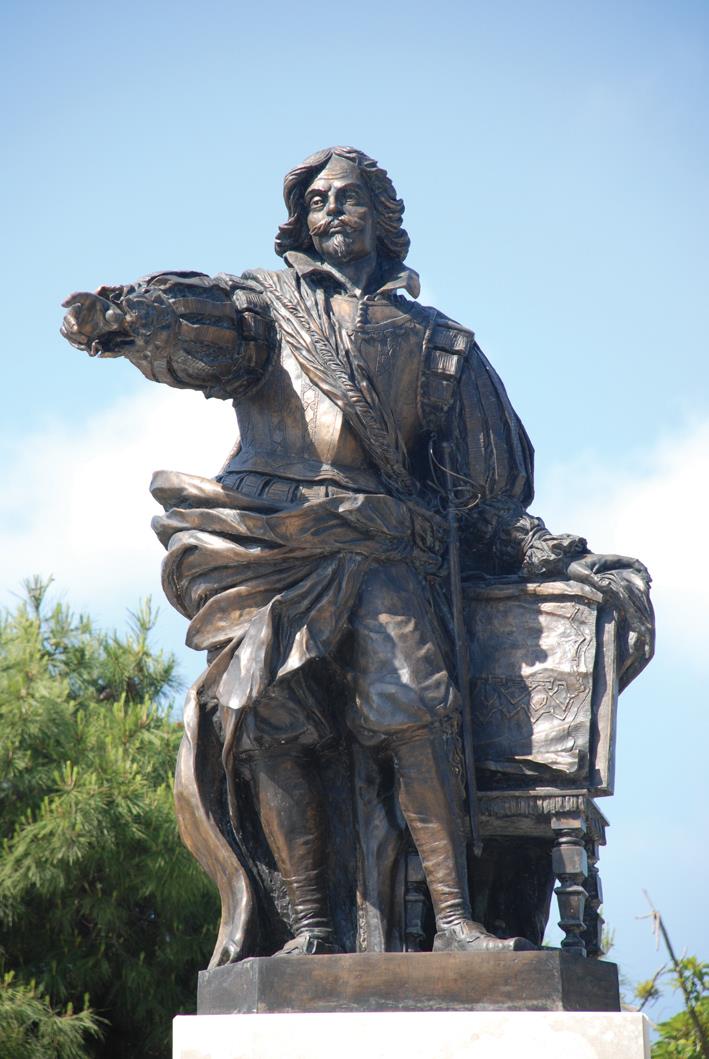
My first public commission in Malta must be the Pietro Paolo Floriani monument in Floriana. the commission was received in 2006 and it took almost three years to finalise it. It was inaugurated on 17th April 2009.
Your sculptures have become familiar landmarks in Malta's public spaces. What initially drew you to creating large-scale public monuments?
I've always been fascinated by the idea of art that becomes part of the identity of a place and lasts for centuries. I have been fascinated by the large monuments scattered around important cities and they left a visual impact on me since my young age. Creating public monuments allows me to engage directly with people and the place. There's a permanence and responsibility that comes with shaping a space others inhabit, and that sense of dialogue between sculpture, architecture and time is what truly inspires me.
How do you approach designing a sculpture for a public space versus a private one?
Designing a sculpture for a public space requires a broader dialogue with its surroundings: the architecture, landscape and the collective memory of the place. In public art, the work becomes part of a shared environment. In contrast, a sculpture for a private space is often more intimate and personal. The dialogue is primarily between the artist and the collector or commissioner, it can be more introspective, experimental, or symbolic of private emotions and values. While a public work speaks to a community, a private one speaks to the individual.
What role does community feedback or local history play in your creative process?
Every site has its own spirit and history, and I believe a public artwork should reflect that. My aim is to create something that feels familiar yet inspiring; something the community can identify with and take pride in that the work of art has become an identity of the place.
How do you balance artistic freedom with the expectations of the commissioning body?
It's always about dialogue. When I work on a public monument, I see the brief not as a restriction but as a guiding framework - something that helps shape the creative direction. I always start by listening carefully to the vision of those commissioning the work. Their expectations often reflect the community's collective memory or identity, so it's important that the final piece connects with that. At the same time, I make sure the work stays true to my own artistic voice and concept. The best results happen when both sides trust each other, when the artwork fulfills its public role but still carries the spirit and identity of the artist.
Public art often involves collaboration with architects, and local authorities. How do you navigate these interdisciplinary aspects while maintaining artistic integrity?
Collaboration is essential in large-scale work. I see it as an extension of the creative process. Engineers, architects, and technical persons in their own field bring technical expertise that allows the artistic idea to become structurally and functionally sound. The key is to stay involved in every stage to ensure that the final result still carries the artistic intention behind it.
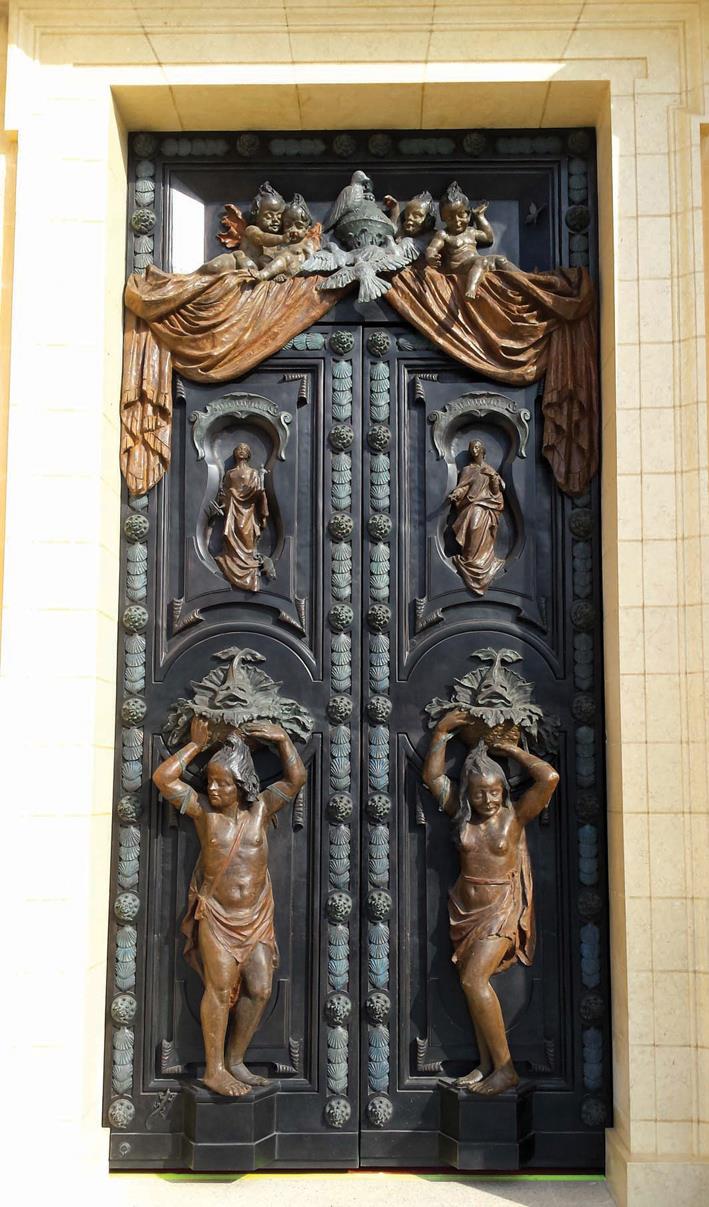
When i made the bronze doors for the palace at MonteKristo estates the doors in themselves are two large sculptural panels but they had to have a practical function so I engaged a technical person who can assist me in that particular aspect.
When designing a monument for a specific location, what are the first elements you consider, the space, the subject, or the dimensions?
The first thing I look at is the spirit of the place. Every location has its own character, light, and rhythm. Then I consider the subject and how it can speak to the public in that setting, then the overall scale. It's important that the work belongs there not as an object placed in the space, but as something that feels integrated and meaningful to the proportion of the said location to create harmony within the space. Unfortunately nowadays this millennial principle has been ignored and many so called public art and installations do not respect the surroundings and are detached visually and spiritually from the context of the place as if somebody had dropped it.
Many of your works reflect strong historical and cultural themes. How do you approach interpreting history through contemporary sculpture?
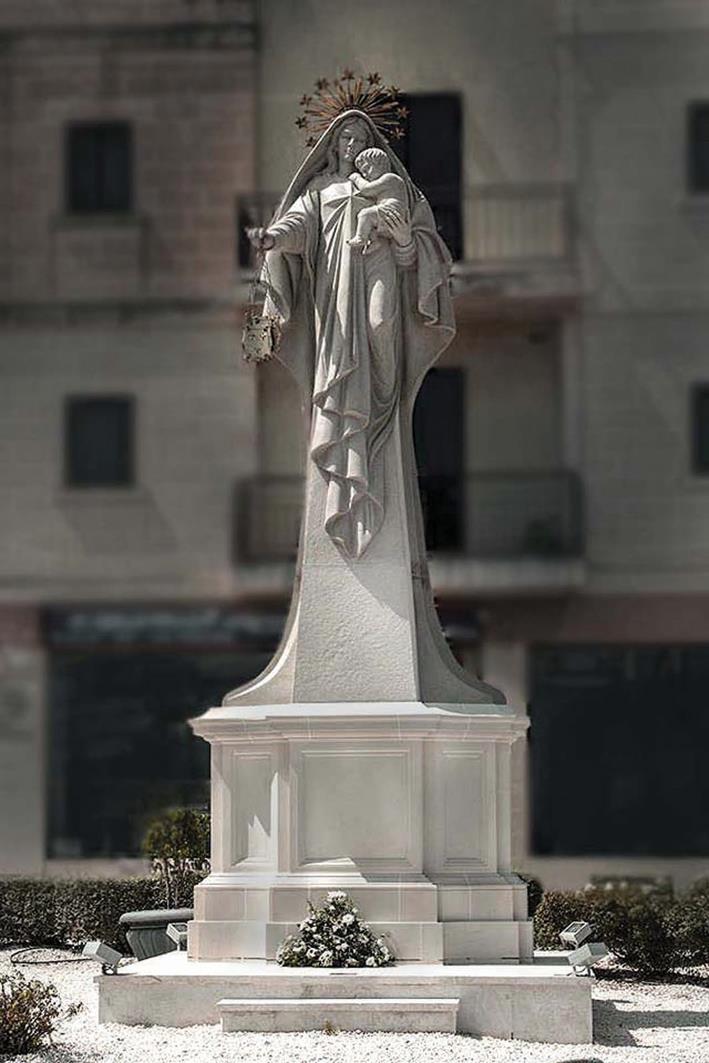
History is not static; it's something that continues to speak through us. When I interpret a historical theme, I try to find its emotional and human core, something timeless that today's audience can still relate to. My approach is not to reproduce history literally, but to translate its essence into form, gesture, and material. The Floriani monument is one such case where i had to study the historical figure from etchings and be faithful to history in the interpretation.
Can you share the story behind one of your most challenging public monuments - and what made it technically or artistically demanding?
Every project has its own challenges, but one that stands out is the bronze fountain at MonteKristo Estates. The integration of water with the sculptural composition required absolute precision; every flow, nozzle, and channel had to be engineered to complement the forms. The challenge was to make the technology invisible, allowing the water to feel like a natural continuation of the sculpture.
Which of your public works do you feel most connected to, and why?
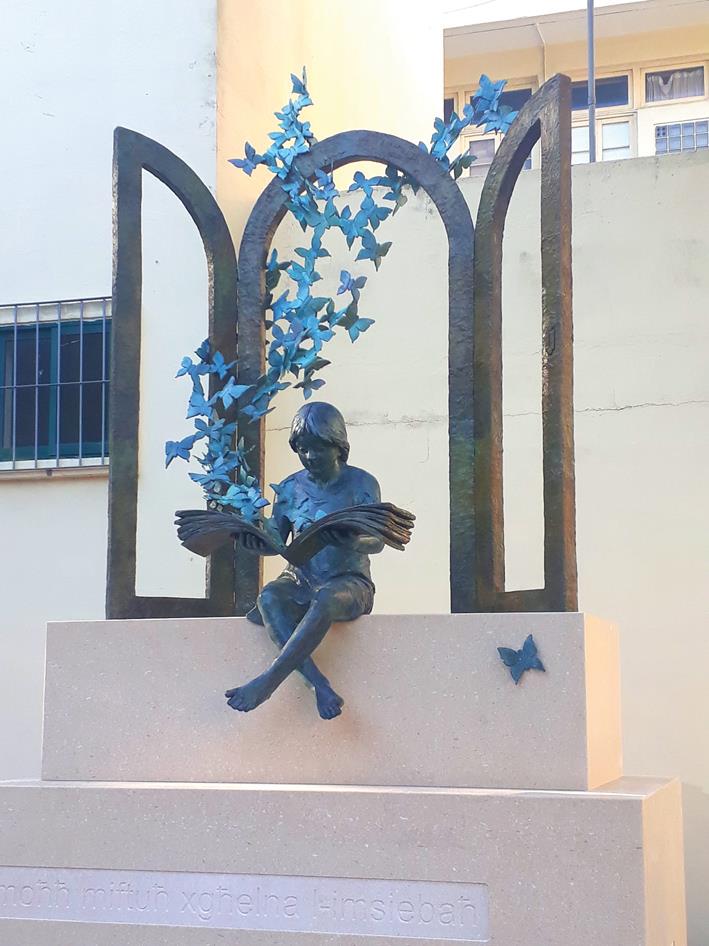
One public work I feel most connected to is the MUT Monument at the Mall Gardens in Floriana which we inaugurated in 2019 to commemorate the 100 years of the teachers' union. This sculpture holds a deep personal and symbolic significance for me. The site itself of this historic garden surrounded by trees enhances the contemplative nature of work. It invites viewers to pause, calm down and reflect. I feel a strong bond with this public art because it brings together my artistic language with a profound social message, merging form, space, and meaning into a public dialogue which install a sense of peace.
How do you ensure that your monuments remain visually and materially resilient in outdoor environments over time?
Durability is a key part of the design process. I work with materials such as bronze for their strength and timeless quality. Patination, protective coatings, and structural design all play a role in ensuring longevity. I like to think of my works as evolving with time exposed to the elements, yet gaining character through them.
What emotions or reflections do you hope the public experiences when encountering your sculptures in open spaces?
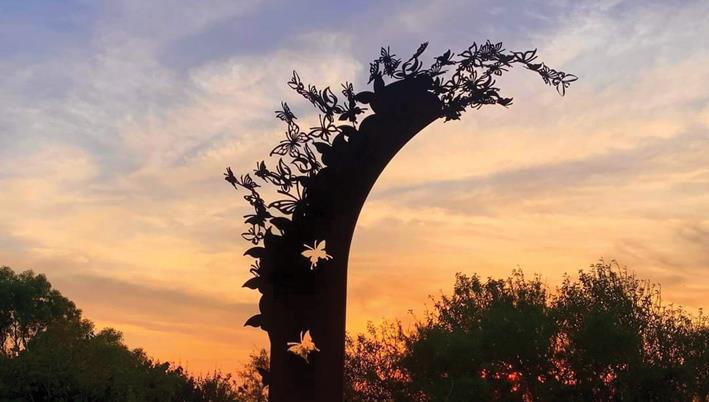
I hope people feel a sense of connection that the sculpture sparks reflection, emotion, or even curiosity. A public artwork should engage both the mind and the senses. For me, the greatest reward is when a public art becomes part of the collective memory of a place. In the case of the landscape sculpture in Dingli it integrates in the landscape and becomes part of the atmosphere capturing the sun and the sky creating a poetic sight.
In your view, what role should contemporary public art play in shaping Malta's cultural identity today?
Public art is a mirror of who we are as a people. It has the power to celebrate our heritage while also pushing our imagination forward. In Malta, we are surrounded by layers of history, and I believe public art should both honour that past and speak to the present helping us define what our cultural identity means today. For me, public art remains a living dialogue between the artist, the place, and the people who inhabit it."
As Malta continues to evolve, so too does its public art -layered with memory, shaped by dialogue, and open to the sky. In the sculptor's hands, bronze and stone become vessels of reflection, resilience, and belonging. His monuments do not merely mark space; they invite us to inhabit it more deeply; to pause, to remember, and to imagine.