Theatrical audiences at the MADC's latest production of The Full Monty may ae entered the theatre expecting a light-hearted strip show, but they left having experienced something much deeper, more meaningful, and profoundly human. Directed by Francesca Birffa and based on Simon Beaufoy's stage adaptation of his own 1997 screenplay. The Full Monty proved to be not just a cheeky British comedy but a touching exploration of masculinity, vulnerability, and friendship.
Set in Sheffield, England, in the spring of 1996, the play follows Gaz and his fellow steelworkers as they grapple with unemployment and the loss of identity that comes from being made redundant. With their livelihoods gone and their confidence shattered, the men hatch an unlikely plan to make some quick cash - by forming a strip act. But what begins as a desperate scheme to survive soon evolves into a heartfelt story about courage, self-worth, and the power of human connection.
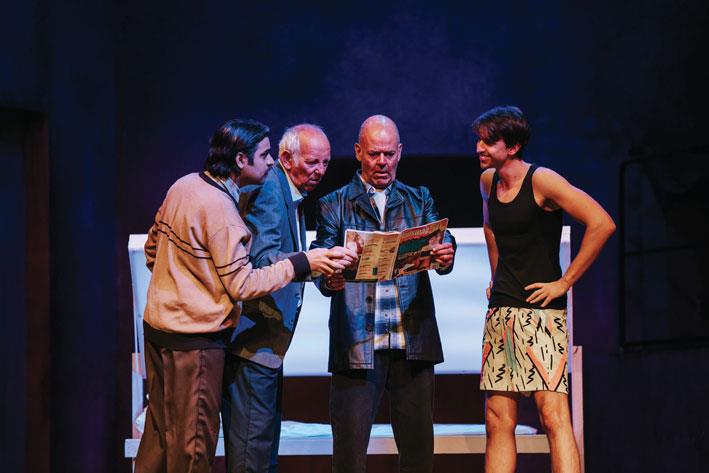
From the very first scene, Briffa's direction made it clear that this production aimed to go beyond surface-level humour. The director's note encapsulated this perfectly: while audiences may come expecting risqué entertainment, they instead discover a story that dives into rarely discussed issues surrounding manhood - depression, body image, unemployment, fatherhood, and self-esteem. The Full Monty reminds us that it is perfectly acceptable not to be okay, and that through honest conversation, compassion, and a little humour, even the hardest struggles can be faced head-on.
Leading the cast as Garry "Gaz" was Alan Paris, whose performance anchored the production with an engaging mix of charm, restlessness, and emotional depth. Paris portrayed Gaz as a man torn between pride and desperation, fighting to maintain his bond with his son Nathan while trying to rebuild his sense of purpose. His scenes with Charlie Paris, who played Nathan, were particularly touching - filled with natural chemistry and genuine affection that grounded the show in emotional reality. Charlie's portrayal of Nathan brought youthful optimism to the story, serving as both Gaz's conscience and motivation. Together, they captured the essence of father and son navigating a world where the traditional roles of men are being redefined.
Brendon Thearle gave a standout performance as Dave, Gaz's loyal best friend, whose internal battle with body image and low self-esteem was both moving and relatable. Thearle's ability to balance comedy and vulnerability made his character one of the most sympathetic in the production. His scenes with Pia Zammit, who played his wife Jean, were powerfully human - tender, awkward, and honest. Their moments together reflected the quiet heartbreak of two people struggling to reconnect amid life's disappointments, offering the audience a poignant counterpoint to the show's humour.
Lewis Preston's Lomper provided a gentle and endearing presence, portraying the awkward, lonely young man who finds acceptance and friendship among his fellow strippers. His evolution from self-doubt to quiet confidence drew heartfelt reactions from the audience. Stephen Oliver as Gerald, the group's refined and somewhat pompous former supervisor, delivered an equally compelling performance. His character's fall from grace and eventual humility were handled with subtlety, and Oliver's comedic precision made Gerald's awkward attempts at choreography especially memorable.
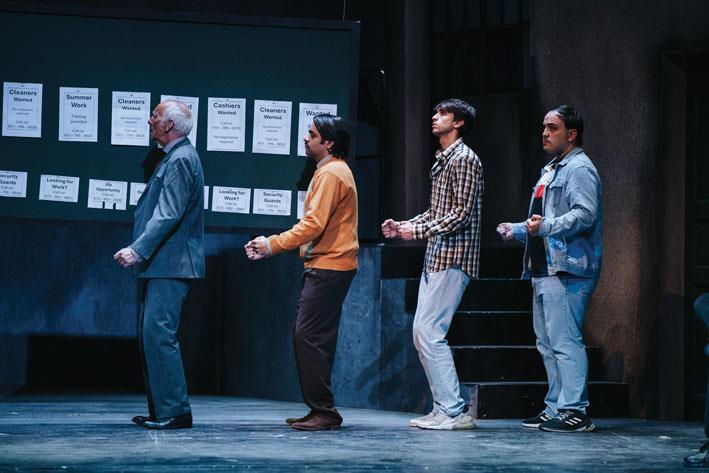
Adding rhythm and soul to the group was Taha Chaudhry as Horse, whose performance radiated warmth and comic timing. His swagger and charm injected a much-needed dose of energy into the group's dynamic, while his dance scenes had the audience laughing and cheering. Shaun Rizzo as Guy completed the ensemble with a charismatic and carefree attitude that balanced the insecurities of the other men, his performance blending humour with genuine heart.
The chemistry among the six leads was one of the production's greatest strengths. Each actor brought distinct traits to their character, but together they formed an ensemble that felt authentic and unforced. Their interactions were filled with the easy banter and awkward camaraderie of real friends who have been through life's struggles together. Whether they were bickering in rehearsals, laughing through embarrassment, or nervously preparing for their final show, there was a shared sense of humanity that resonated with everyone watching.
Supporting roles also added texture and realism to the story. Antonio Tufigno as Barry, Angelica Sant as Mandy, Steve Casaletto as Alan, and Coryse Borg as Sharon all brought a believable sense of community to the world of Sheffield. Keira Galea shone in her multiple roles as Bee, Ann, and Michelle, shifting seamlessly between comedic and more grounded moments. Sarah Jane Zrinzo as Lina and Richard Godden as Brian provided additional humour, while Matthew Grech Marguerat and Alan Azzopardi rounded out the cast effectively as the policemen, Alf and Reg. Each supporting actor contributed to the world-building of the production, ensuring that even smaller roles had purpose and presence.
Briffa's direction balanced humour with sincerity, allowing the comedy to arise naturally from the characters' situations rather than relying on exaggeration or parody. The moments of levity never undercut the emotional weight of the story; instead, they deepened it, reminding the audience that laughter often accompanies pain. The tone felt genuinely British - dry, witty, and self-deprecating - but with universal emotional appeal.
The production design perfectly reflected the bleak industrial setting of 1990s Sheffield. The minimalist stage layout, punctuated by clever lighting and set transitions, evoked the faded glory of the steelworks while allowing for fluid movement between the pub, the unemployment office, and the group's rehearsal space. Costume choices further reinforced the working-class authenticity of the characters, while the eventual transformation into the strip performance costumes provided both comic relief and emotional payoff. The lighting design effectively shifted between realism and theatricality, heightening key emotional moments while keeping the focus on the characters' inner lives.
Musically, The Full Monty pulsed with familiar 90s anthems that captured the era's grit and humour. The inclusion of songs like "Hot Stuff" and "You Can Leave Your Hat On" added to the production's energy, bringing smiles and laughter from the crowd. Yet even during these humorous musical sequences, the emotional core of the story never disappeared. Beneath the laughter, there was a constant reminder of the characters' humanity - ordinary men finding courage in extraordinary circumstances.
What truly made this production special, however, was its sensitivity to the underlying themes. It didn't shy away from the uncomfortable topics: depression, unemployment, broken relationships, and the fragile concept of masculinity. Instead, it approached them with empathy and humour. The director and cast reminded the audience that vulnerability is not weakness, and that strength can be found in self-acceptance and solidarity. The play's message - that it's okay not to be okay - came through clearly and powerfully, resonating with both men and women in the audience.
The climactic "strip" scene, which could easily have leaned into farce, was handled with impeccable balance. Rather than focusing on shock value or spectacle, it became a moment of liberation - a symbol of pride, courage, and defiance. As the lights dimmed and the audience erupted into applause, it was clear that what they had witnessed was more than a comedic gimmick. It was a celebration of human resilience and the bonds that hold people together through hardship.
By the time the curtain fell, there was a palpable sense of admiration in the theatre. The audience's laughter had given way to warmth and empathy, proving that The Full Monty's charm lies not only in its humour but in its humanity. This was a production that bared its soul as much as its characters bared their bodies - an honest, heartfelt portrayal of what it means to find hope in the face of despair.
MADC's The Full Monty stands as a shining example of how theatre can both entertain and enlighten. Under Francesca Briffa's thoughtful direction and with a cast of deeply committed performers led by Alan Paris, the show managed to balance laughter with introspection, humour with heartbreak, and bravado with vulnerability. It was a production that left audiences smiling, reflecting, and, most importantly, reminded that there is always strength to be found in honesty, friendship, and a little bit of cheek.