This feature dwells not so much on the economic benefits that the tobacco industry brought to the Maltese islands, and more on the health problems it created, which in themselves are high social and economic costs. I have avoided the inclusion of marijuana smoking in this feature as it requires a survey in itself. The feature also deals with the harmful effects using simple insights from a biological perspective.
The tobacco industry in Malta flourished greatly during the late 19th century with the setting up of well-known firms of Greek origin such as Cousis, Colombos and Sclivagnotis. Maltese businessmen also set up their tobacco enterprises. Renowned firms such as Charles Grech & Co., and other famous names in cigarette rolling such as Licari and Scerri come quicky to mind.
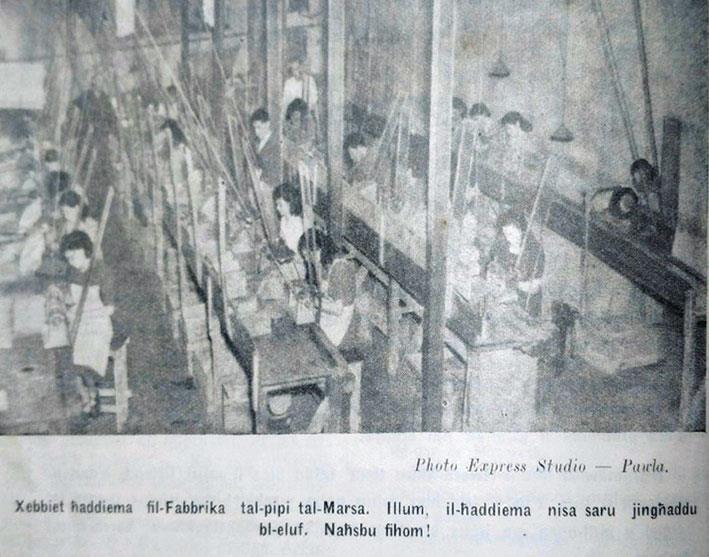
Overseas, giant tobacco firms, such as Malta Tobacco Company (later, British American Tobacco Co.), introduced new and faster production methods. The introduction of improved electricity systems in Malta over the decades also pushed the industry to greater success. The tobacco industry was also one of the first light industries to employ hundreds of female workers thus stimulating female participation in the labour market, especially in pipe-making and the hand-rolling of cigarettes and cigars.
Health matters
The above background does not mean that cigarettes and other tobacco products such as cigars, snuff and pipe-smoking were not making people sick and even leading to their demise. The health awareness was practically unknown during those days, and smoking was even encouraged as being beneficial to health. Some cigarette firms not only did not put any health warnings but branded certain cigarette packets with such titles as, "Doctor's Choice". In our day and time, one in three deaths in the United States is due to cancer, mainly because of smoking.
The dangers a lighted cigarette poses derives from the many harmful chemicals it produces such as sewage gas, acetic acid (vinegar), butane gas, stearic acid (candle wax), hexamine (b-b-q Lighter) and methanol (rocket fuel).
The main and most present chemicals in cigarettes are as follows:
Carbon Monoxide: This is a deadly gas having no taste, no smell and no visibility. It is deady and harmful on the blood vessels whose funtion is reduced. Carbon monoxide literally moves oxygen out of the body's system and remains in the body. It prevents oxygen from entering the red blood cells rendering a reduced blood vessels function. It is the reason why smokers need to stop and catch their breath because red blood cells would have been occupied with carbon monoxide making the oxygen carrying capacity reduced and inhibited. Carbon monoxide has a great affinity to red blood cells.
Carbon monoxide, when entering a habitation requires ventilation for its removal. There are white stickers that change colour as an alarm signalling that carbon monoxide is present.
Tar: Tar is a black sticky material which is carcinogenic. It deposits over the lungs making them heavy and rendering the exchange of gases weaker.
Nicotine: This chemical affects are mainly on the brain in creating addiction to smoking as well as constricting the blood vessels and hence raising the blood pressue. Nicotine triggers the release of dopamine in the brain which is a "feel good" hormone. When the effect of smoking a cigarette wanes, the smoker will have a craving for another cigarette to obtain again that sense of relaxation created by the dopamine. Addiction would require Nicotine Replacement Therapy in order to subdue the addiction.
Emphysema: This takes place at the alveoli which are thin air sacs located at the extreme ends of the respiratory system's airways. This is the primary site where the vital process of gas exchange takes place. The internal walls separting the alveoli compartments are weakened or eventually destroyed (broken down) as a result of smoking and breathing is affected. Some oxygen will still enter the alveoli but it is not enough as the surface area of the lungs, where gaseous exchange takes place, is reduced. This can lead to emphysema. The symptoms are shortness of breath, chronic coughing, wheezing and chest tightness.
Other effects of cigarette smoking are:
- Irritation of the membrance of the respiratory tract; and
- The cilia are paralysed, and eventually damaged or destroyed. Cilia are tiny, hair-like structures that line the airways and are responsible for moving mucus and trap foreign particles out of the lungs. The paralysis can become permanent with chronic smoking.
Extra mucus forms in the trachea and bronchi causing the smoker's cough. The inability to clear mucus because of the impaired cilia leads to the airways to produce excessive, thicker mucus. Without functional cilia to move it, the mucus accumulates in the lungs leading to a smoker's cough as the body attempts to clear the obstruction.
Vaping and IQOS
Vaping and IQOS are recent additions to the list of smoking products that have been marketed as a replacement to smoking and with the idea that it helps to quit smoking. This is quite misleading because nicotine is still present in vaping and IQOS products and hence still produce negative effects on health. Firms have also added aromas to vaping and in many ways increased nicotine content. The introduction of vaping and IQOS required a strong and very effective marketing strategy in competing with tobacco giants such as Rothmans and Marlboro in their efforts to introduce them as a replacement to smoking.
IQOS does not burn the tobacco but instead heats it to release a flavourful vapour, delivering taste and satisfaction without combustion. There again, the smoker is still inhalling nicotine with its harmful consequences.
Both the above help you to quit smoking cigarettes but they make you addictive to them and their nicotine contents.