"The staircase was wide and slightly winding. I remember falling all the way down it aged about three and seeing stars as my head hit each stair. At the bottom of the stairs was a round table where we ate all our meals (except for Christmas, New Year and Epiphany and parties).To one side of this open space was the large kitchen with a huge marble table and another room leading off it which led into the cellar where we used to play hide-and-seek round the heaps of coal. Between our eating area and the kitchen there was one small pantry and another large one where huge amounts of crockery were stored as well as the paraffin oil lamps which were often in use.
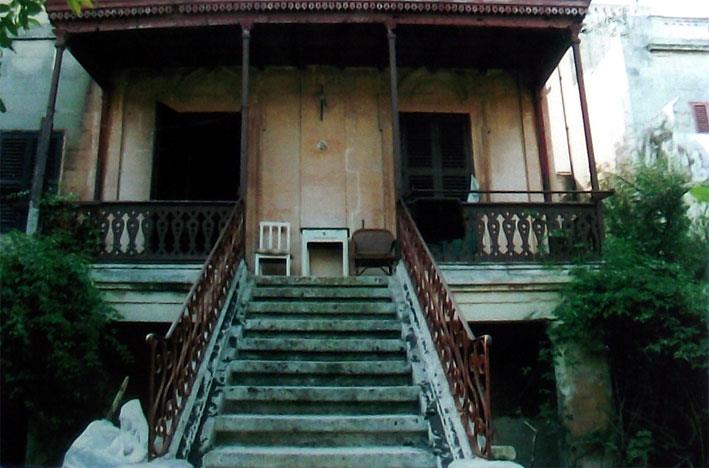
The outside kitchen door led to a long yard, wash-house, the well and stairs into the garden. To the other side of our open dining space was the room where the cook and daily maid used to sleep, with a small washroom leading off it and, on the other side the air raid shelter with four wooden bunks. When the house was sold this shelter had not been touched. At one time one of our cats used to keep her kittens there each one inside a shoe. The bunks were still there when I last saw the house. When the bombardment became really serious (German bombs) this shelter was inadequate and we had a small door in the girls' bedroom which took us down some steps to Pax, until recently the home of our late cousin Cecilia Caruana Galizia, and into their garden where there was a deep shelter.
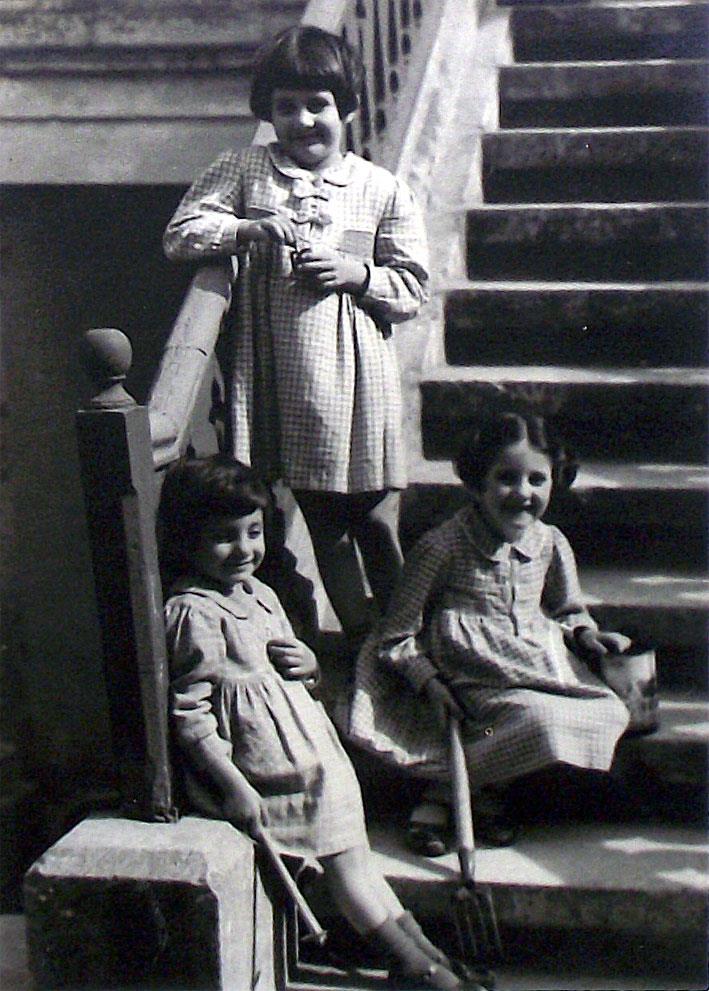
My sister Mary Clare preferred this shelter to the others "għaliex għandu rieħa tal-konkos" (because it smells of concrete.)
If you turned left at the bottom of the stairs you came to the bottom entrance to the garigor where we used to keep potatoes given to my father by his farmer clients. I don't think we ever bought potatoes. Then into the big dining room with dumb waiter shelves in the corner and traditional black and white tiles such as you see all over southern Italy and North Africa. Off this room was our ping-pong room where the fridge was also kept as were our gas masks during the war. Our parents acquired the ping-pong to encourage us to stay at home and not go out in the evenings. In the end, we went out and they stayed at home and played ping-pong.
Two French windows led from the dining room, up some stairs into the garden. At the bottom of the stairs near the orange trees were two fine Birds of Paradise (Strellizza) and three or four stone benches. When I was about to sell my quarter share of Alhambra I was asked by more than one person to sell them off but they are still there as Galizia left them. I didn't want to tamper with anything original.
In addition to the orange trees there were two exquisite tangerine trees, two huge lemon trees (tal-qamar), a bergamot, a lumicella, a huge bay tree and right at the bottom of the garden near the chicken runs were two enormous olive trees which had never been pruned or kept in order. I believe they were a landmark for the aeroplanes during the war.
My mother had French jasmine, and shrubs, freesias, pansies, wild cyclamens, lavender, plus, a vine, plums, herbs and so on.
We had two gardeners (one followed the other - first Tancredi, tall, blue eyes and white hair, stooped from all this work. Later Wigi - short, dark with moustache. He went on working for my mother until about 1990, at a guess.
During the war a Victory Kitchen occupied one of the Art Nouveau houses opposite us. I remember going there daily with one of our maids and the officers in charge stood behind huge cauldrons and would ask "kemm intkhom?" She would reply "sebgħa" (five of us and two maids) and he would dole out one ladleful per person of whatever "delicacy" had been prepared that day - baked beans perhaps or goat stew (which might have included cats). One witty aunt of ours when asked "how are you?" would reply "full of beans". Such was our diet - baked beans, bully beef and dried eggs.
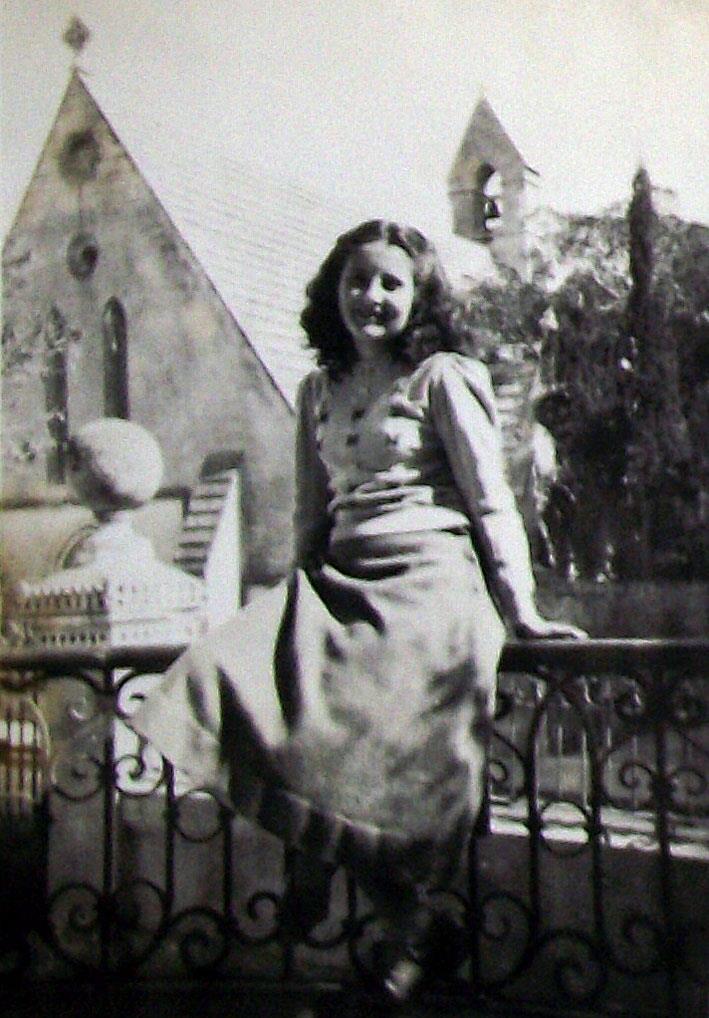
The names of many of our maids are strongly etched in mind - Nina when I was very small so I don't remember her much. She was related to Vittor, my Galizia grandmother's maid. Then we had Wistina, Carmena, (Naxxar), Ġużeppa (Sliema), and later Maria (Naxxar) and another Nina (Żabbar). Lastly we had Spira who married our painter and decorator Ninu (or Toni). They fell in love when he was working in the house and used to go out together (probably to church) in the early evening which was the only free time Spira had. They would sit in the hall and argue.
The star was our cook Duminka Farrugia who we inherited from my Asphar grandmother and who was a dignified lady with blue eyes and a white toppu (bun), a widow. She had two nephews, one was Golijn. Both gave her a lot of trouble. Duminka belonged in a different category from all the others and was much loved and regarded as a member of the family. We liked all our maids but she was special. I used to spend a lot of time with the maids in the kitchen and enjoyed their company although they used to frighten me with stories of ghosts. "Ġej il-babaw!"
Duminka would come with us to our villeġjatura in St Georges, Birżebbuġa in the summer and was a permanent fixture until she moved to Saura, the old people's home, where she died. We visited her regularly and my father used to make her a present of fish whenever he could.
Duminka was a great cook and I learned much of what I know from her - in particular hand-made mayonnaise and ravjul*. She would make us special treats when we got home from school at weekends (terrible food at the Convent of the Sacred Heart in those days!) - eggs in a hundred ways including bajda biz-zokkor and fried cheese.
Most of the maids lived in and shared the room next to the shelter. It needs to be explained that (to our shame) these were days when there was no birth control and families had countless numbers of children so they were glad if one or more of them could be taken on as maids and given a home and food. (The parents were probably relieved, too, if some became priests or nuns as they, too, would be cared for and out of their hands.) Institutions also had many children in their care so one or two or our maids came from there. I remember distinctly that Ġużeppa (she wasn't from an institution) earned £4 a month. They hardly ever went home, not even at Christmas. My grandmother used to give them a generous tip when she and others of the family came to us for grand Christmas Day lunch.
We also had a weekly char and washerwoman who came on consecutive days. She was Ġanna who lived in Camenzuli Street behind us. We visited her, too, until her death. Spira is still a good friend. Ganna earned by the day and was always given two eggs as well - the price of eggs fluctuated so she valued them especially when the price was high. What is extraordinary about all this is that we were too young to question the poverty in the midst of which we lived.
After the war my mother had regular visits from one or two women (one was called Ċensa) who had children and nothing to live on. Thank Karl Marx for the welfare state.
We had regular sellers of chickens, rabbits and eggs - there was a Ġanna tas-Salini who walked in to Sliema weekly - I think she represented some kind of co-operative - and she used to sell eggs and chickens. Many of these women walked into Sliema barefoot and carried their loads on their heads.
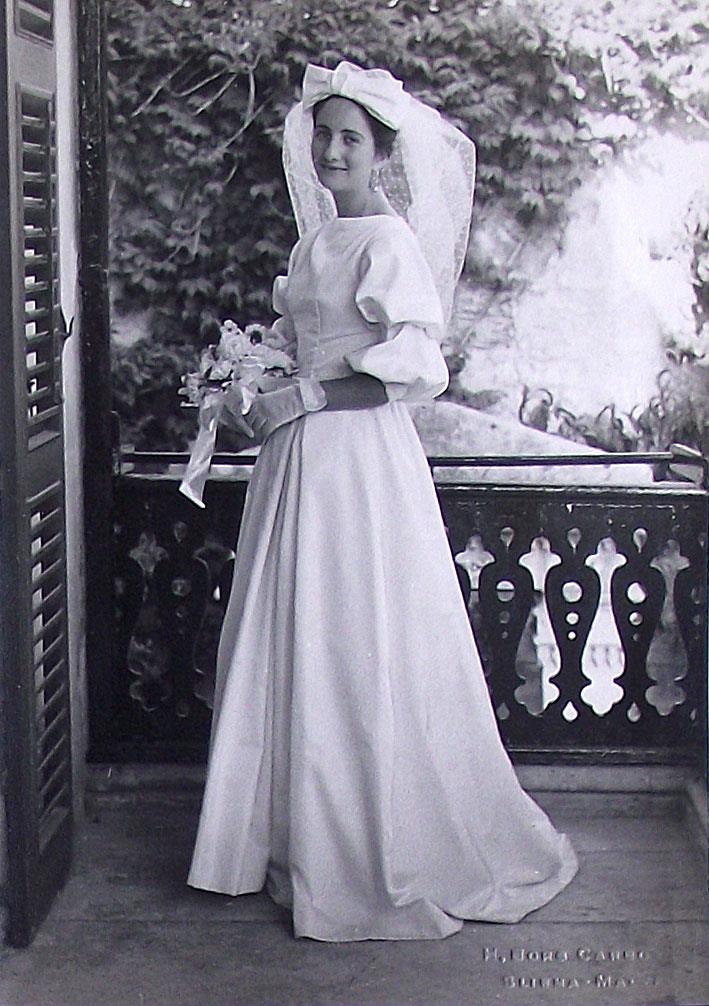
My father had many farmers among his clients - Toni tal-Mellieħa (who we gave a lift to on my wedding day - he, probably in his bare feet, and me in my wedding dress. I think he sat in front and my father and me at the back). The farmers used to walk in from the villages - yes even from Mellieha - and paid him in kind - wonderful potatoes, all fresh vegetables and fruit in season and eggs. I particularly remember the fraises du bois in long baskets protected by vine leaves. Some farmers' names I remember are Taċ-Ċirasa, Zundajru - my sister Anne, who is older might remember more.
My father's other group of clients were businessmen who would send bottles of spirits and elaborate tortas especially at Christmas. My mother would say "they leave me cold" much preferring the fruit and vegetables.
My father forged real friendships with the farmers (rather than the businessmen except for people like Marquis Scicluna who we really liked and used to come to lunch). I later got to know his son Joe when we both lived in Notting Hill and he gave me two of his paintings to which I am very attached.
Many clients had no manners and no concern for working hours and would ring my father when they knew he was home for lunch.
We would get countless gifts of live turkeys at Christmas, too - we counted 21 one year. We would keep three and give all the rest to institutions who would come to collect them - but until they turned up and when the chicken runs were full we used to take them out of their sacks and put them in the yards. Some of the turkeys remained pets for several months and my father used to release them from their prison and let them wander in the garden.
In the early morning before going to the Law Courts he made it a point of going out to the verandah and listen to the birds to remind him of the beauty spoken about by Francis of Assisi. So many Sliema gardens have been demolished and where are the birds now?
* Editorial note: Helen and her sister Anne later on wrote a book about cookery in Malta. The latest edition in 2016 was updated by Helen under the title The Food and Cookery of Malta and Gozo pubished by Midsea Books.
The third and last part of this feature will be carried next Sunday.