I travelled to Hubei Province, China, in late October 2025 as part of an international delegation invited to attend the opening of the 2025 International Wudang Tai Chi Culture Festival and the Zhiyin Hubei-Wudang Travel Agency Cooperation and Exchange activities. The programme brought our group to two distinct locations - Shiyan and Suizhou - each offering a different perspective on the region's cultural and geographical character. This first feature focuses on our days in Shiyan, combining travel through key sites with an emphasis on Tai Chi and its place in the region's cultural life.
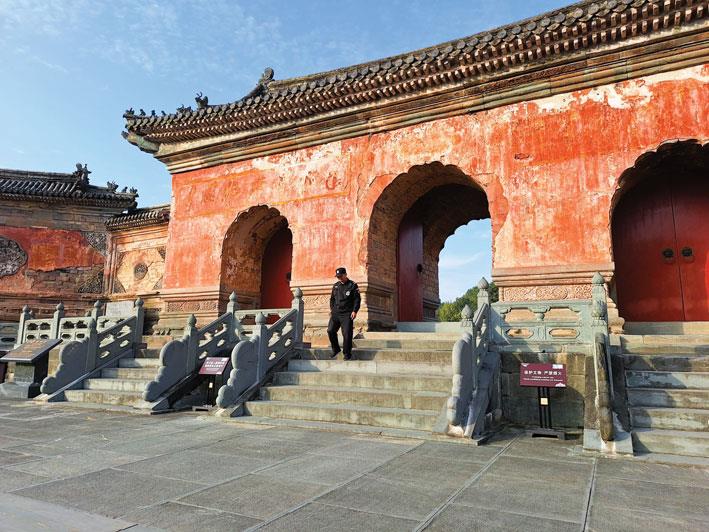
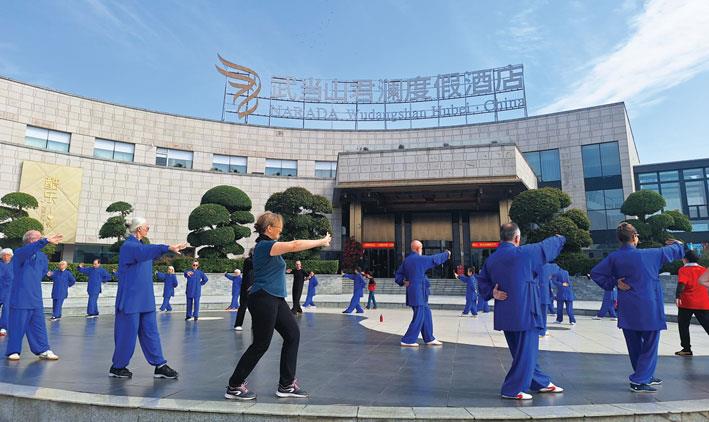
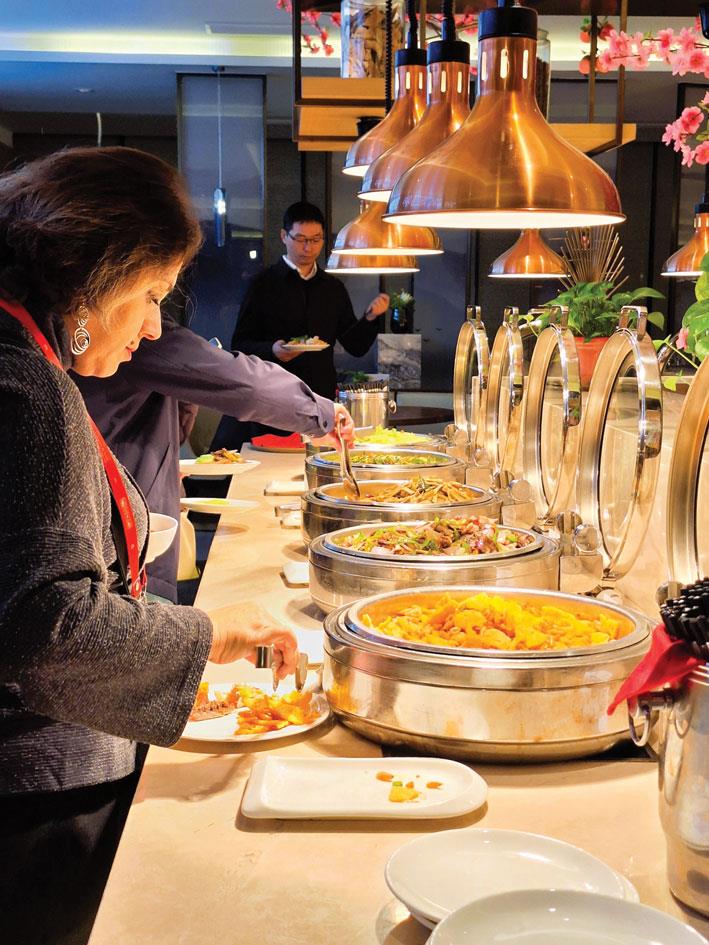
From the outset, the Wudang Mountains set the tone. For the opening days we stayed at the Narada Wudangshan Hubei, also known as the Junlan Hotel, positioned close to both Wudangshanxi Railway Station and Shiyan Wudangshan Airport. Practical and comfortable, it offered a place to rest while the mountains remained a constant presence beyond the windows.
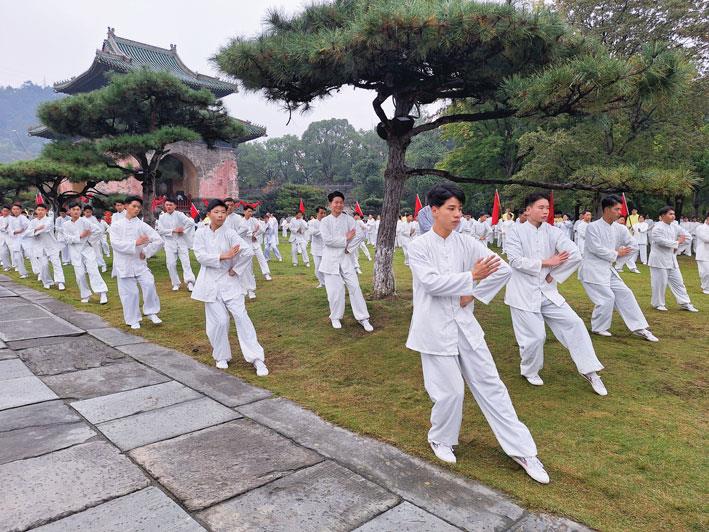
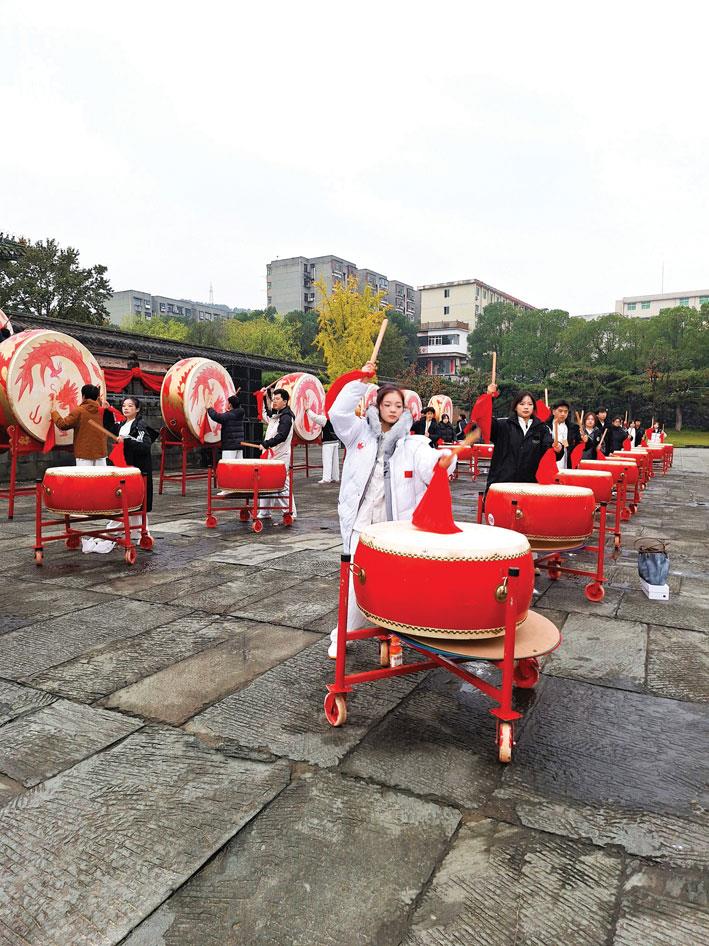
The 2025 International Wudang Tai Chi Culture Festival opened at Yuxu Palace, a site shaped by ambition and centuries of survival. Fire, floods and time have all left visible marks, yet the scale of the courtyards still commands attention. As the ceremony began, deep drums played by young performers echoed across the stone, setting a steady rhythm. Hundreds more filled the space, moving through Tai Chi forms and scenes drawn from Wudang life. When rain began to fall, no one left. Wrapped in raincoats, the audience remained in place while the performers continued uncovered, the ceremony carrying on with a quiet resilience that reflected a familiar Chinese resilience in the face of disruption.
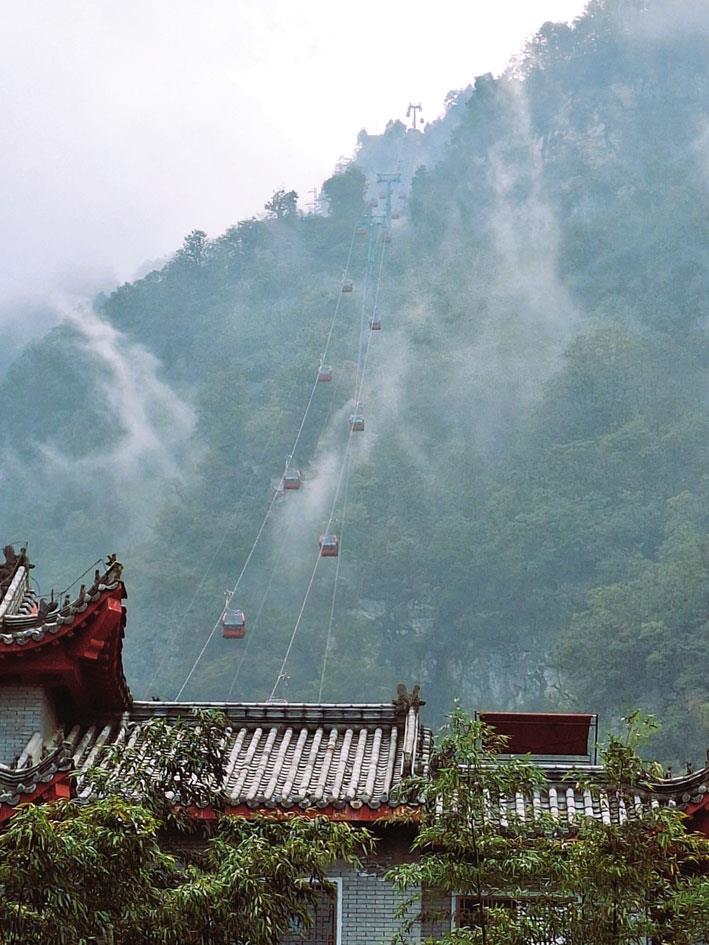
That afternoon we entered the Wudang Mountains scenic area itself. The ascent unfolded in stages: first by cable car, then on foot up long runs of stone steps that demanded patience and effort. Temples and shrines appeared along the way, reminders that this mountain has long been climbed with intention. When the Golden Hall finally emerged at the summit, the sense of arrival was unmistakable. Physical fatigue dissolved into something quieter and deeper, amplified by the solemn beauty of the setting.
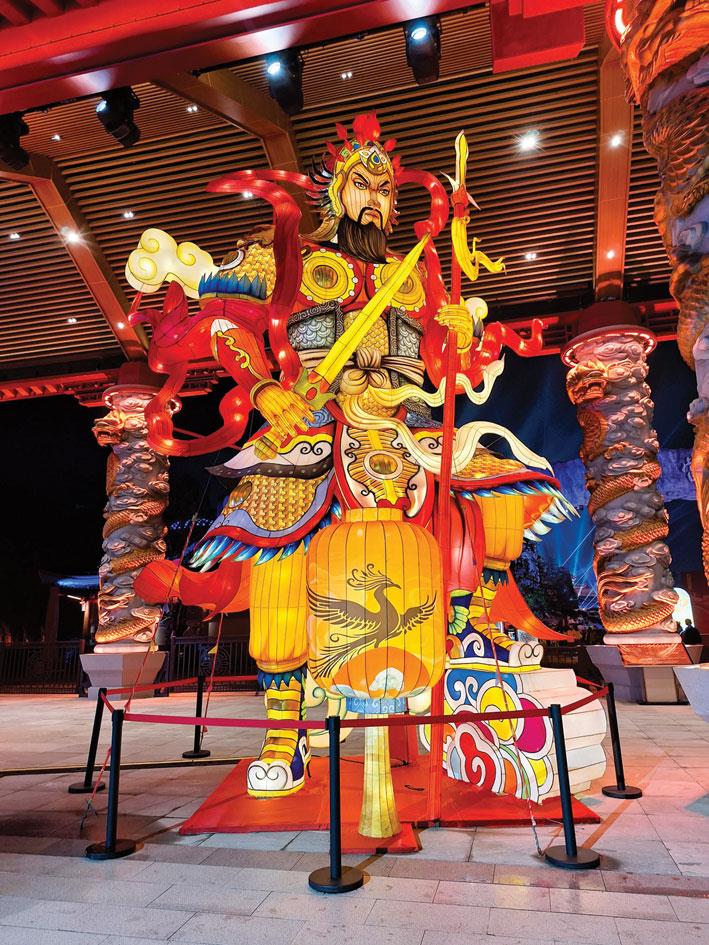
In the evening, Wudang was presented through a contemporary lens at A Dream of Wudang, staged at Wudang Dream Park. Drama, music and digital technology traced the spiritual and cultural foundations of the mountains. Holographic imagery and tightly controlled choreography moved the narrative forward before extending outdoors into costumed parades and a coordinated drone display.
The following morning shifted attention from movement to discussion. At the Zhiyin Hubei-Wudang 2025 International Travel Agency Cooperation and Exchange Conference, local travel agents spoke about how Hubei presents its cultural, ecological and heritage resources to international partners, placing the practices we had just witnessed into a broader framework of exchange and cooperation.
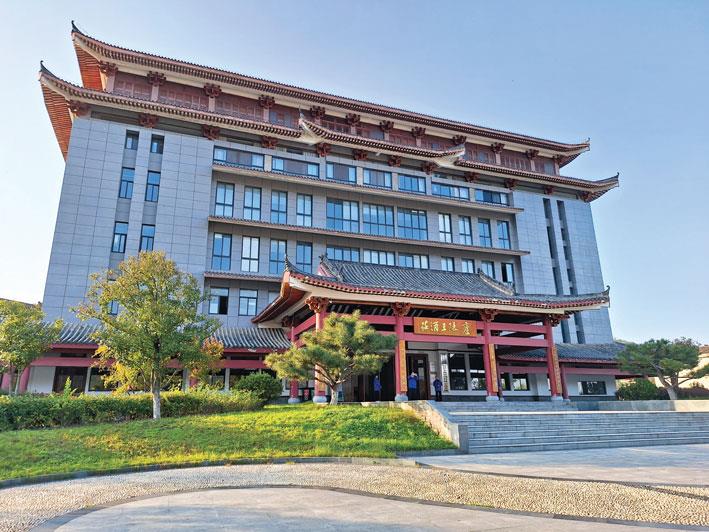
Context deepened further at the Wudang Mountain Museum, home to nearly two thousand artefacts. Where the mountain itself stirs emotion, the museum provides structure and explanation. Architecture, ritual objects, martial arts traditions and local customs are presented not as static displays, but as parts of a living system shaped by Taoist philosophy.
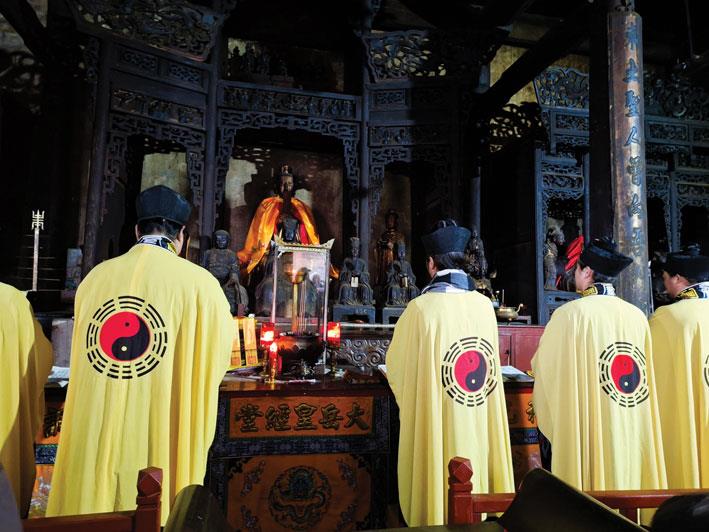
Later that day we visited Yuzhen Palace, relocated intact to higher ground during conservation works. The setting alone is striking, but the defining moment came during a Tai Chi session led by a Tai Chi master within the palace walls. Executing slow, disciplined movements in a space saturated with history created a rare alignment of body, place and tradition.
On the third day, we travelled through valleys and wooded hills to Zhushan County, reaching Shangyong Ancient Town beside Shengshui Lake. The lake, created through hydropower development, sits quietly within the surrounding terrain. A short boat crossing provided a pause before the journey continued.
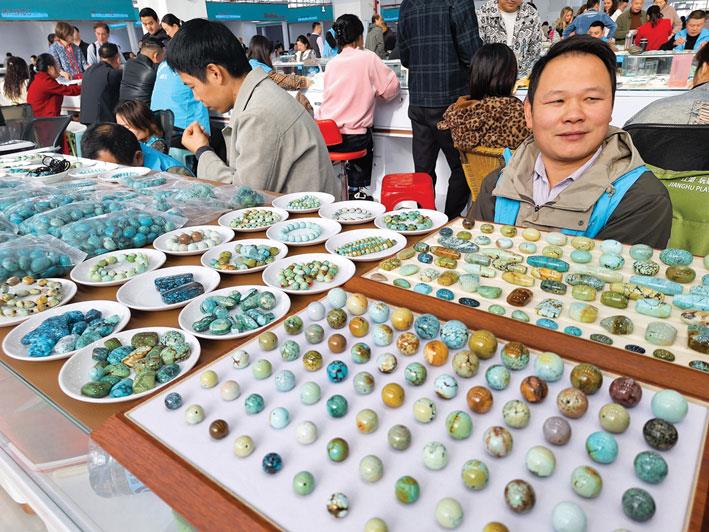
Zhushan's reputation as China's turquoise capital came alive at the Majiadu International Turquoise Trading Center. The scale and variety of turquoise on display turned browsing into cultural participation. Selecting a small pair of earrings felt less like shopping and more like choosing a fragment of place to carry forward.
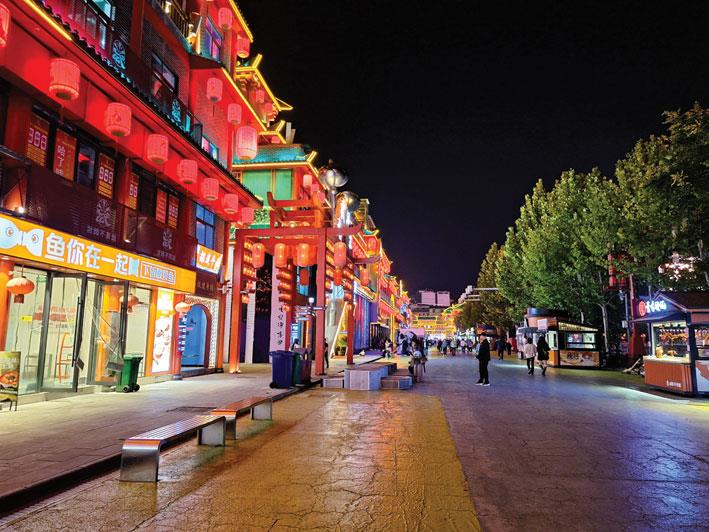
From there we continued to Zhuxi County, where we stayed at the Taohua Island Rammed Earth Town Homestay. Built from earth, stone and wood, the structures echo traditional architecture while offering quiet comfort. Courtyards arranged around clay sculptures created space for quiet, while dinner centred on regional dishes. Later, a visit to Wuling Never Sleeps City revealed a busier side of local life, with lights, street performances and food stalls extending late into the evening.
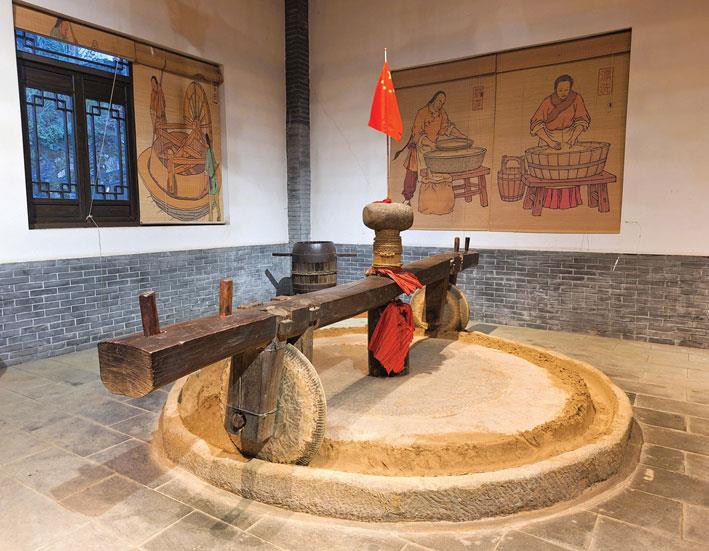
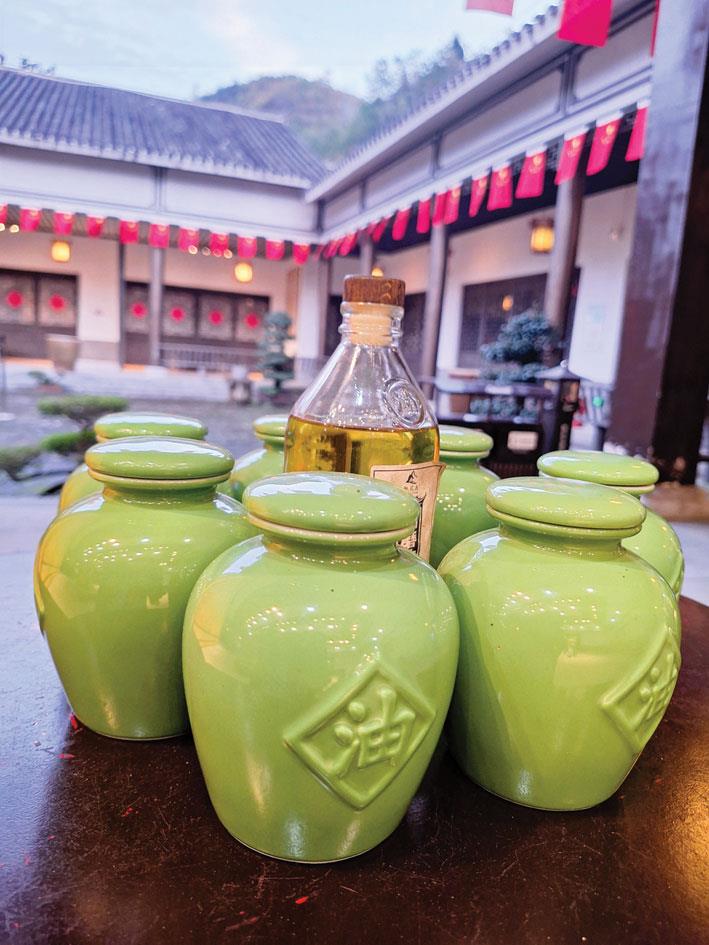
The following morning was spent at Rammed Earth Town along the Longwang River, where architecture, ecology and craft are brought together through workshops and small exhibition spaces. At the Taohua Island Oil Mill Museum, traditional presses and demonstrations showed techniques passed down across generations.
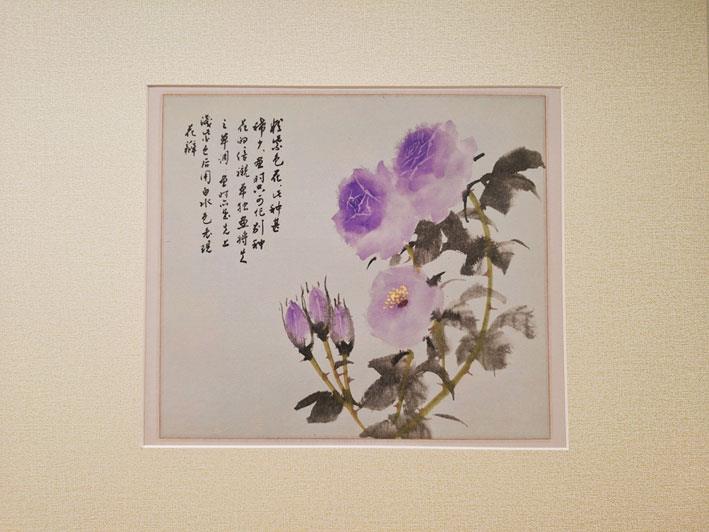
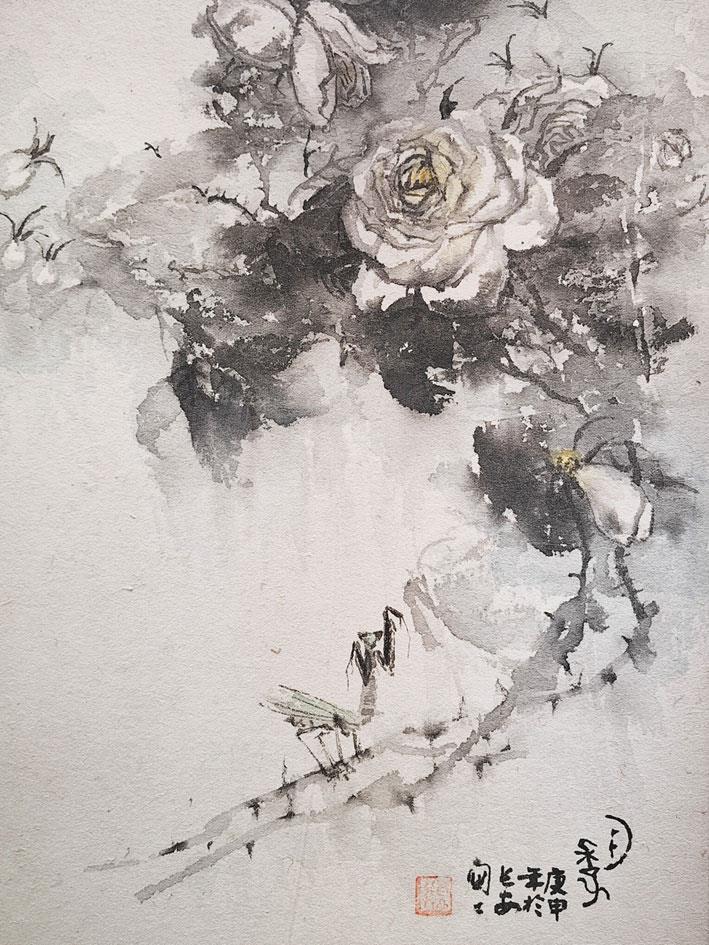
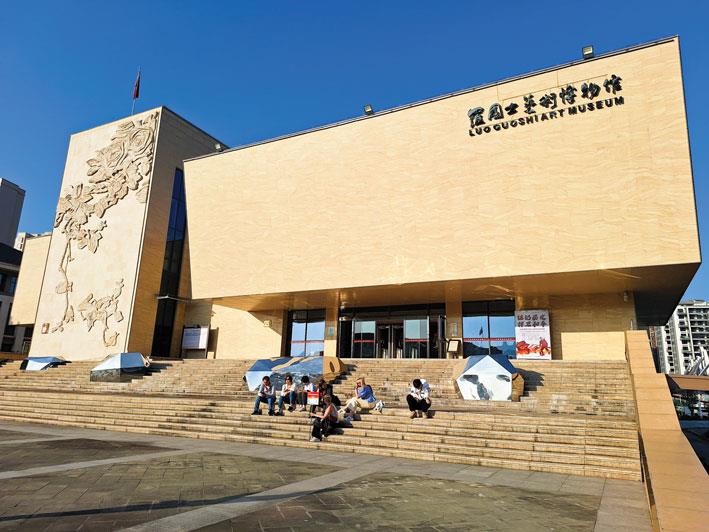
The final stage of the Shiyan programme took us to Fang County, known for its yellow rice wine. We visited Huatian Jiuxi Yellow Wine Folk Culture Village, Beijing Zhonghe Fangxian Biological Food Co., Ltd. and Luling King Winery (Zhuangjiu Wangling Hall), tracing the same tradition from village-scale production to modern industry. The day ended at the Luo Guoshi Art Museum, dedicated to the Fang County-born painter recognised for his landscape and floral work. We ended the day at Echeng Hotel in Fang County.
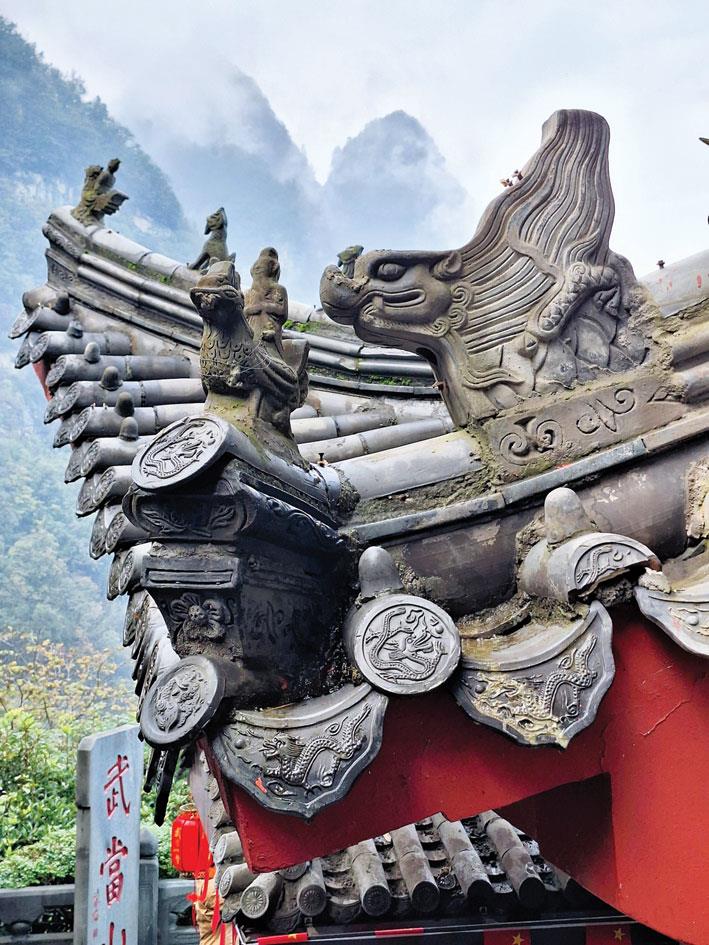
Shiyan offered depth, scale and focus. The work of local guides, organisers and volunteers kept the programme precise and allowed attention to remain on the sites themselves. It was a clear and solid beginning before the journey moved on to Suizhou.
Part 2 of this feature will be published next week
This visit was organised and supported by the Ministry of Culture and Tourism of the People's Republic of China, the China Centre for International Cultural Exchange and Tourism, the Hubei Provincial Department of Culture and Tourism, and the Culture and Tourism Bureaus of Shiyan and Suizhou.