We arrived in Suizhou following a four-hour coach journey from Shiyan. The visit formed the second stage of a hosted programme designed to introduce our group to key cultural, historical and natural sites across Hubei Province in China. Where Shiyan had been defined by mountains and Taoist practice, Suizhou unfolded through a broader mix of urban space, heritage landmarks and increasingly rural landscapes shaped by forest, mountains and water.
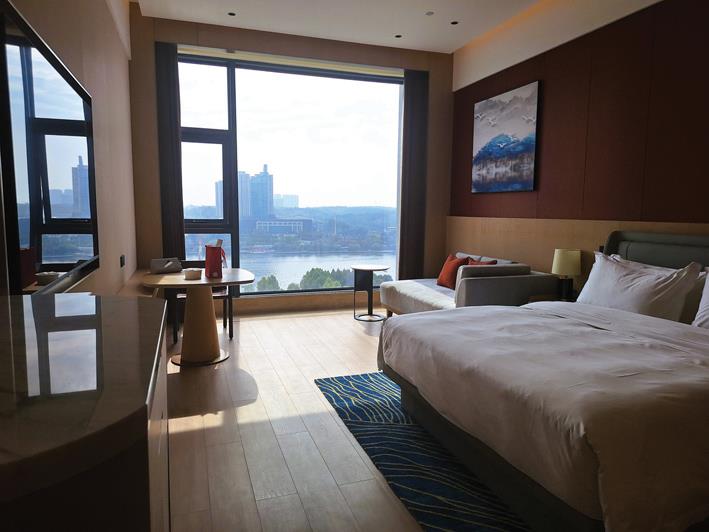
After a delicious lunch, we stopped at the Suizhou Boruisi International Hotel, one of the most impressive hotels of the trip. The rooms feature wide panoramic glass walls offering expansive views across the surrounding area. Recently opened, the hotel combines contemporary design with a high-rise breakfast restaurant serving a broad selection of Chinese and international dishes.
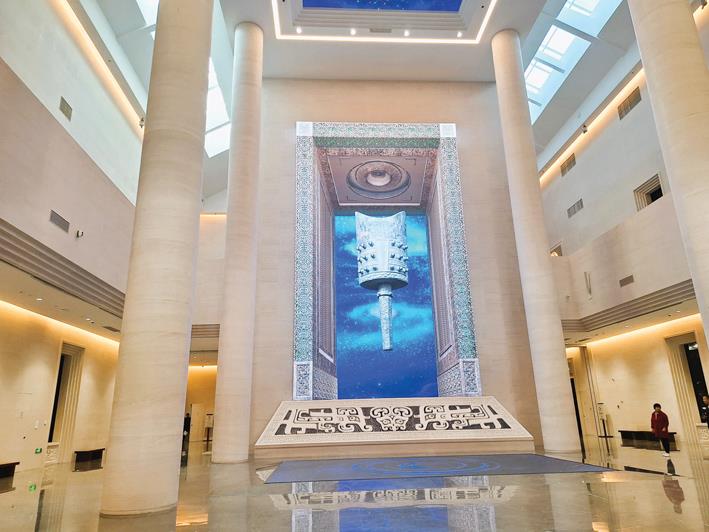
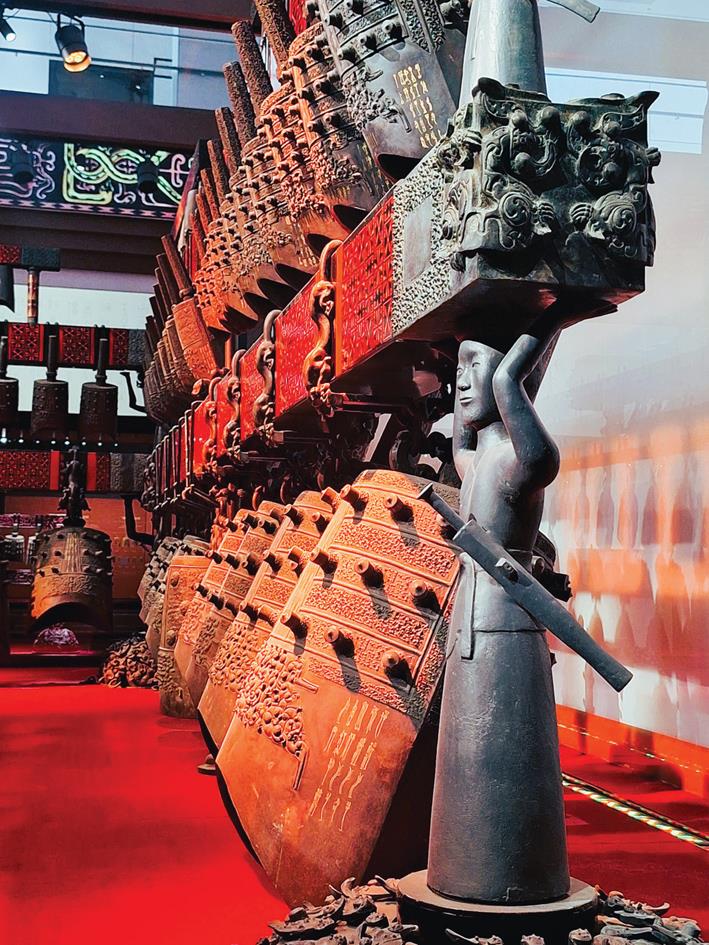
That afternoon, we visited the Suizhou Museum where the scale of the building is evident as soon as you enter. A high central atrium opens above the entrance, anchored by a large digital screen used to introduce key artefacts through animated projections. From there, the galleries move into Suizhou's archaeological history, with ritual bronzes, jade objects and replicas of the bronze chime bells linked to the State of Zeng and Marquis Yi.
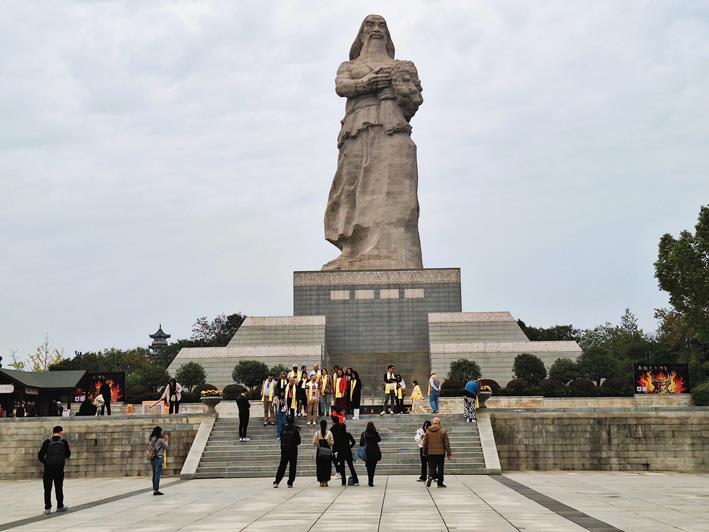
 We continued on to the Yan Emperor's Hometown Scenic Area, a large-scale site spread across multiple zones and connected by shuttle transport. At its centre stands a monumental statue of Yan Emperor Shennong, presented as a foundational figure in Chinese civilisation and closely associated with agriculture and herbal knowledge.
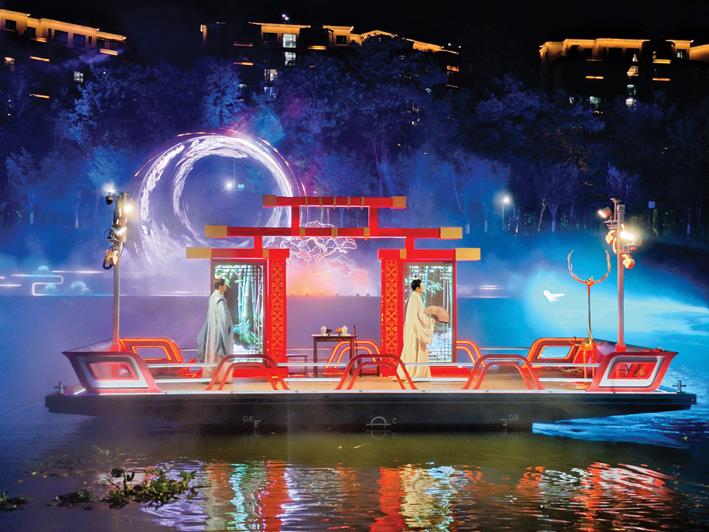
In the evening, we joined the Baiyun Lake Night Cruise. The hour-long route runs from Shunjing Bridge to Bianzhong Bridge, unfolding through a series of themed scenes that combine lighting, water effects, music and live performances positioned along the lake.
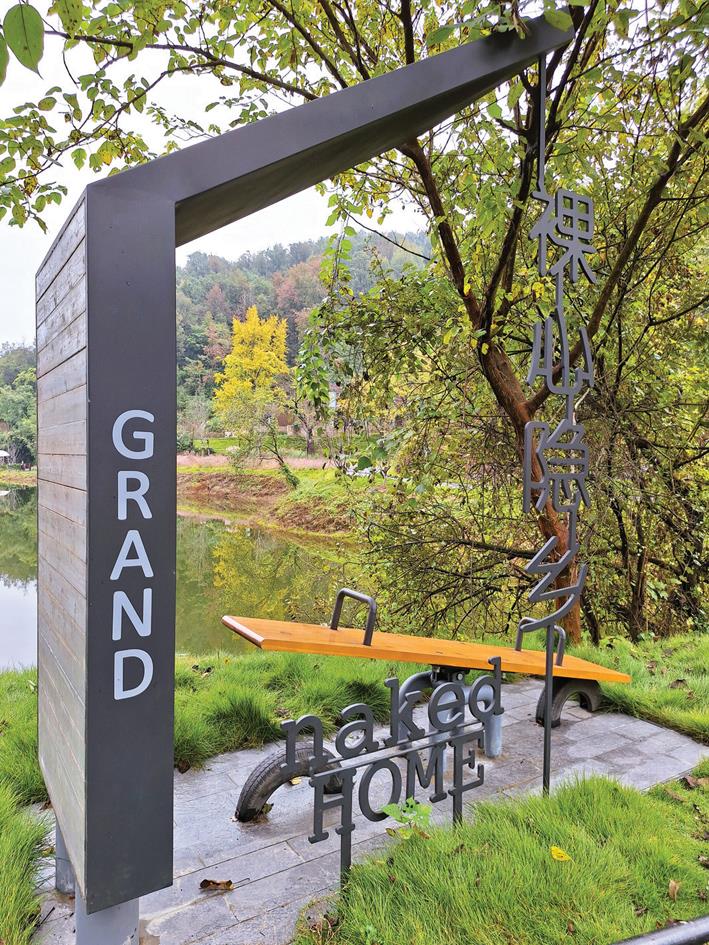
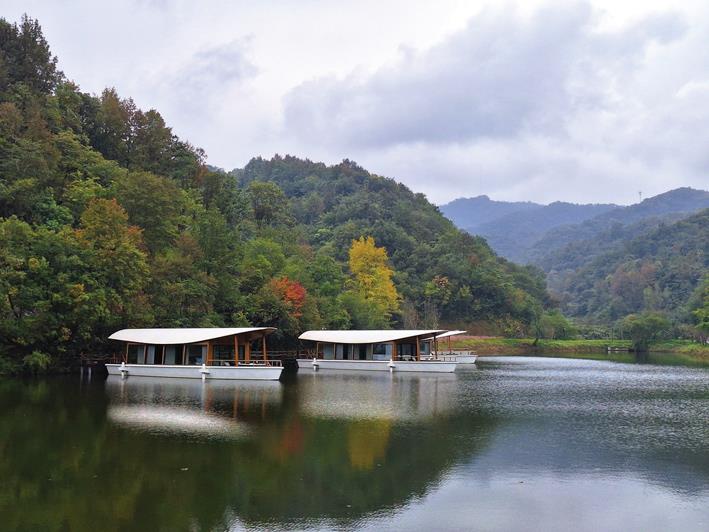
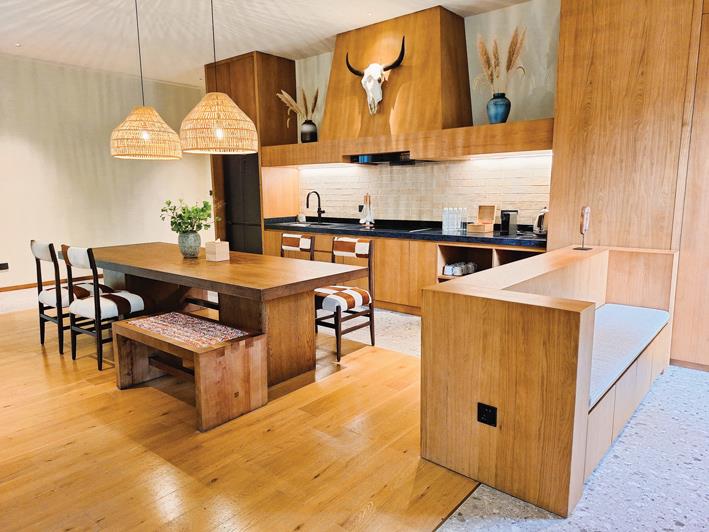
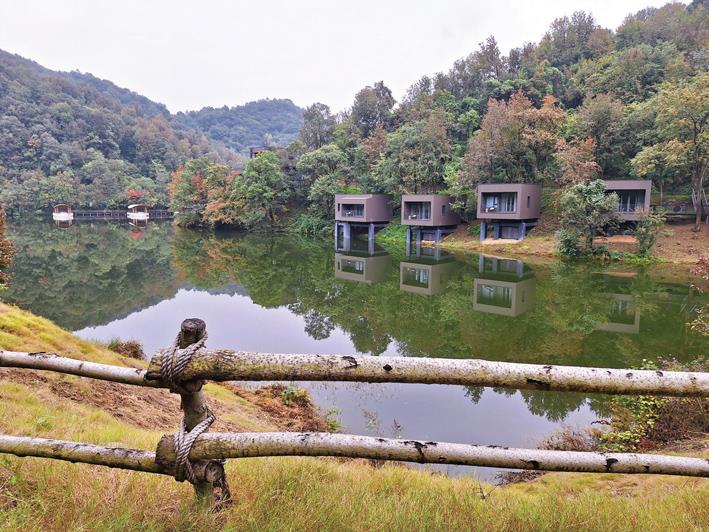
The following morning, we left the city behind. Our first stop was Naked Home Grand Ginkgo Valley, Suizhou, a high-end resort set deep within a wooded landscape. The name refers not to nudity but to a philosophy of simplicity and closeness to nature. The property offers tree houses, lake villas and forest residences integrated into the landscape. Interiors are defined by large windows, natural materials and open layouts, while dining areas overlook the lake. Even as a short visit, it left a strong impression of how luxury and environmental sensitivity can work together.
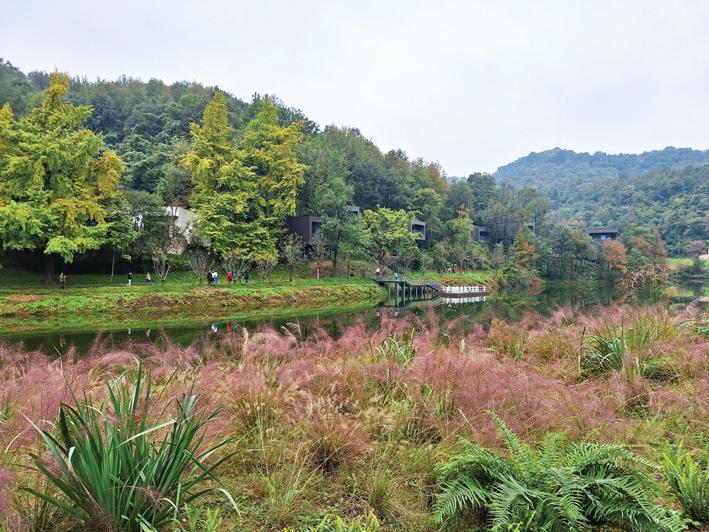
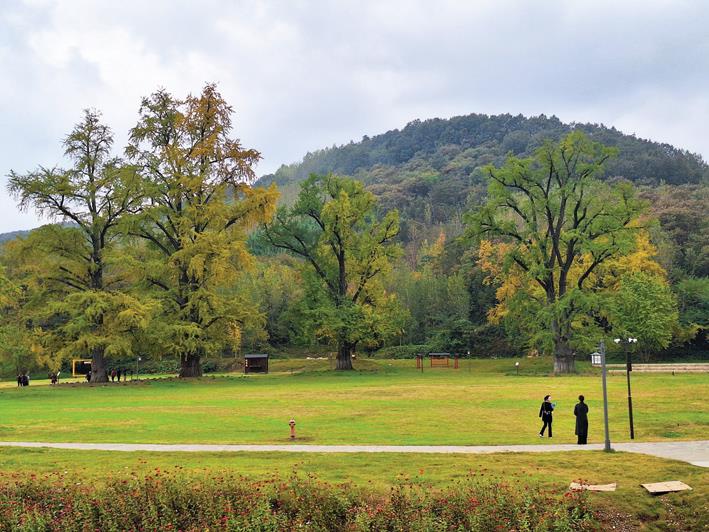
Later that day, we explored the Millennium Ginkgo Valley in Yongxing Village, one of the world's most concentrated ancient ginkgo communities. The valley is home to hundreds of trees over a thousand years old, alongside thousands more that are centuries old. Visiting in late October meant walking through a landscape marked by the first signs of autumn, with leaves beginning to turn gold.
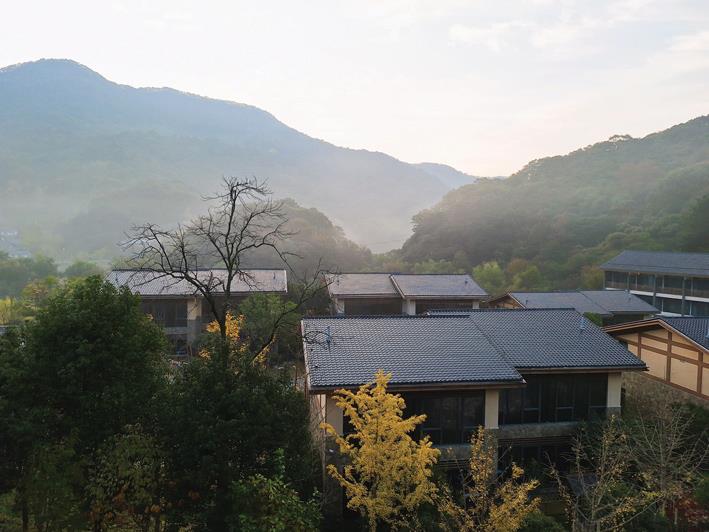
After several full days, the schedule eased. We travelled directly to our next hotel for a longer pause. The Suizhou Zizai Valley Hotel sits within the Dahong Mountain Scenic Area, built into the slope rather than imposed upon it. Natural materials, open views and careful placement give the property a sense of continuity with its surroundings. Rooms opened onto forested hillsides and water features, and meals focused on regional ingredients.
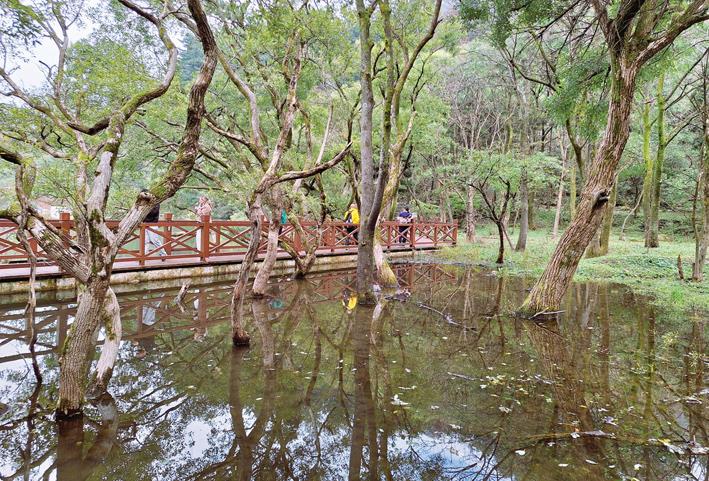
The next morning began at White Dragon Pool in Zengdu District, a site associated with a local legend involving the scholar Zheng Xie, who is said to have dreamed of becoming a white dragon and bathing in the pool before succeeding in the imperial examinations. From the pool, a wooden walkway follows the water's edge. Trees rise directly from the surface, their trunks breaking the stillness of the pond.
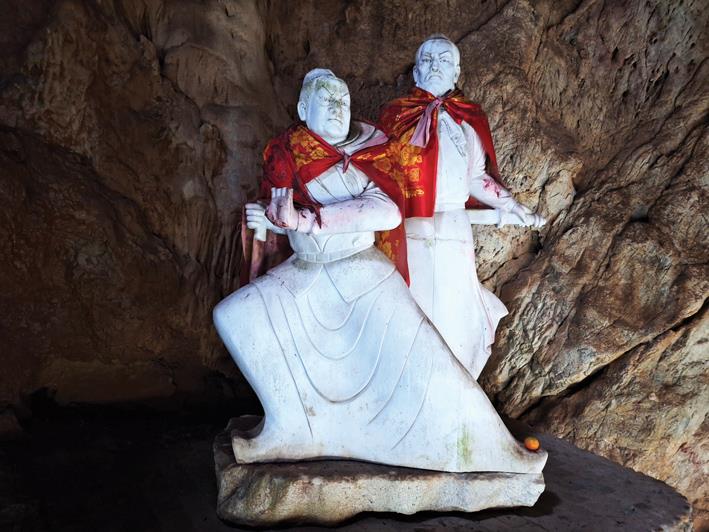
From there we continued to Two Kings Cave, also known as Liangwang Cave, a large karst formation extending roughly 1,200 metres into the mountain. The cave is named after Wang Kuang and Wang Feng, leaders of the Lulin Uprising during the Western Han Dynasty, who are believed to have used it as a base. Inside, the temperature drops, light fades and the space closes in. Stalactites and rock formations line the ceiling and walls, creating a sharp contrast with the open forest outside.
A climb to the Golden Summit of Dahong Mountain had been planned, but heavy fog made the ascent impossible. Located in Changgang Town, Suixian County, the summit is closely linked to Buddhist practice, with Ci'en Temple standing at its peak. In clear weather, it offers wide views across the surrounding ranges, and its absence that morning served as a reminder of how weather continues to shape movement in this landscape.
Later that morning, we met with a second group of local travel agents at Dong Qing Quan Pan, a small coffee shop set beside water and greenery. The informal setting encouraged open discussion about tourism development and future cooperation.
With the programme in Suizhou complete, we travelled on to Wuhan Tianhe International Airport for our return flights. What stayed with me was the care with which the itinerary had been planned and the steady presence of the Chinese team who accompanied us throughout. The experience left me keen to return and explore China in greater depth.
The first part of this feature was published last Sunday
This visit was organised and supported by the Ministry of Culture and Tourism of the People's Republic of China, the China Centre for International Cultural Exchange and Tourism, the Hubei Provincial Department of Culture and Tourism, and the Culture and Tourism Bureaus of Shiyan and Suizhou